
Healthcare Storys
Big Data in der Medizin
The contract research organization Alcedis, founded in Giessen, knows how to accelerate the drug development process with the help of innovative software systems - for the benefit of medicine and patients.
Artikel lesen

Cannabis is more than a narcotic. The plant relieves pain in chronically ill patients for whom regular therapies are no longer effective. Since 2017, doctors in Germany have been allowed to prescribe medical cannabis legally. But does consumption also entail risks?
Artikel lesen

TIG Gießen
Lack of orders, lack of network, a shortage of money: There are many reasons why startups go bankrupt. To prevent this, the Technology and Innovation Center Giessen (TIG) offers young companies support programs, internal networking and affordable commercial space - and all of this in the economic stronghold of Central
Artikel lesen
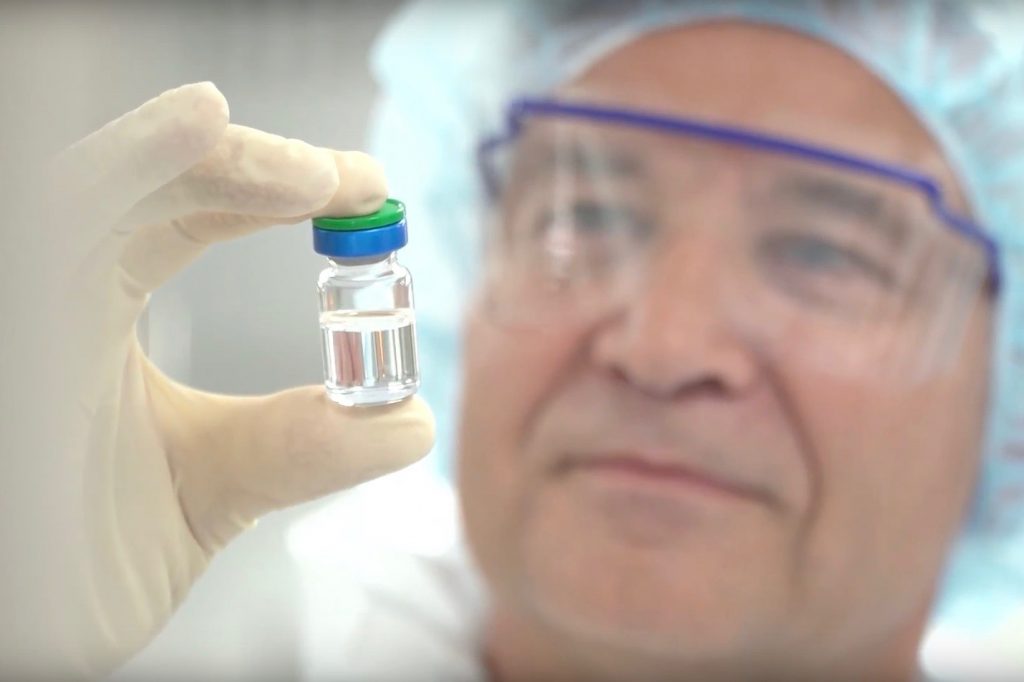
One litre of blood plasma can be used in 17 different product lines against rare diseases: The Marburg-based biotechnology company CSL Behring uses the plasma to produce drugs for the treatment of hereditary angioedema (HAE) and haemophilia.
Artikel lesen
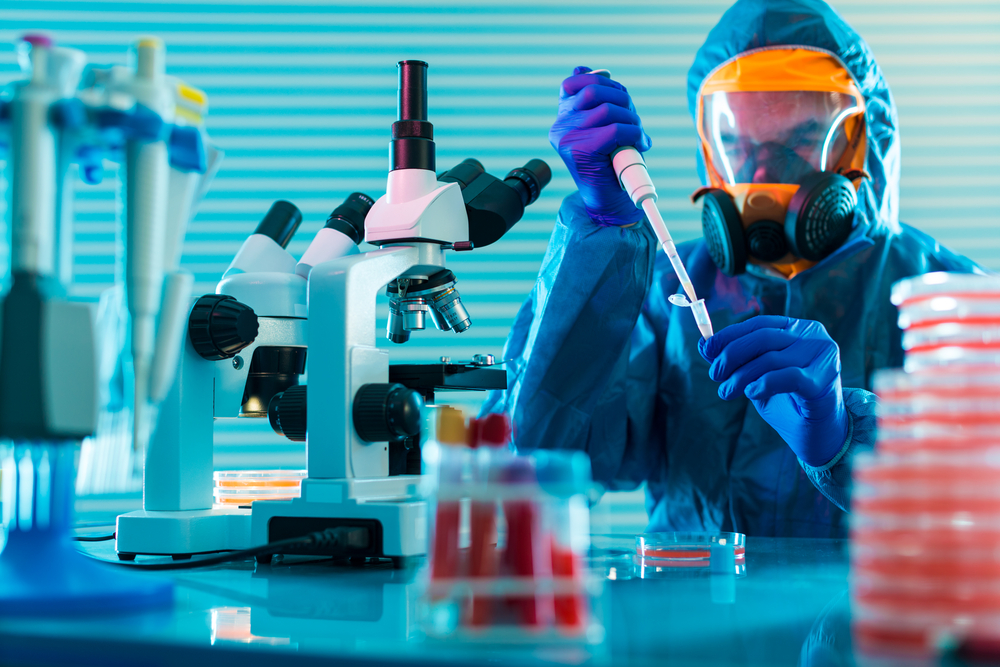
Ebolavirus Epidemien
Dr. Nadine Biedenkopf, a scientist from Marburg, is researching substances against dangerous viruses such as Ebola. Silvestrol gives hope.
Artikel lesen
Schlafmedizin Marburg
Many people around the world snore. However, if left untreated, snoring can be a sign of sleep apnea, which can lead to an increased risk of heart attacks and strokes. To prevent such outcomes, Marburg-based experts are researching therapeutic methods to treat sleep and respiratory disorders.
Artikel lesen

EXCITING STORY? INNOVATIVE SERVICE?

We bring your content to the blog.
Please contact us. 

Follow us…

facebook - Healthcare Mittelhessen   LinkedIn - Healthcare Mittelhessen   LinkedIn - Healthcare Mittelhessen

How Big Data accelerates drug development

Big Data in der Medizin
On their path towards approval, drugs go through a research process that takes years. In many cases, these medicines come too late for some patients who do not respond to existing therapies. The contract research organization Alcedis, headquarted in Giessen, knows how to accelerate the drug development process with the help of digital software – for the benefit of patients.
Big Data in der Medizin
Digitally networked devices such as smartphones and smart watches generate a wide range of user data that can provide insights into the development of diseases. (Credit: whiteMocca / shutterstock.com)

Before a new drug can improve, let alone save, patients’ lives, it can take more than a decade from idea to market maturity. That’s a long time considering the immediate suffering of the patients who could benefit from new medicines. With cancer treatment, for example, tumor therapy has made great progress, particularly in recent years. Many patients benefit from new drugs and forms of treatment in terms of extending life span or significantly increasing chances of being cured. But because the effect of a drug differs from person to person, other patients may run out of time. If patients do not respond to any of the existing treatment methods, their hope for new drugs is correspondingly high. As understandable as it is to hope for an effective therapy, patients’ health can be endangered by adverse reactions and side effects. Therefore, it is essential to have tested for drug safety before treatments are approved for market. Clinical trials are thus concerned with recording and evaluating findings on the efficacy and safety of a new active substance or a new form of therapy: How does a drug actually work? Does it work better than other, already available drugs or combination therapies? Is it better tolerated? What side effects may occur?

Developing drugs more efficiently through digitalization

When it comes to researching drug effects, digital methods of data collection and evaluation have an advantage. “Interlinked data sources improve drug development and can speed it up – right up to the point of approval. Patients can thus obtain the drugs they need more quickly,” says Hanno Haertlein, managing director of Alcedis. The company, headquartered in Giessen, is itself part of this digitalization of medical research. It develops web-based software solutions for conducting clinical studies to record, prepare, forward and evaluate data. As a contract research organization, Alcedis offers all of the medical and scientific services required for the successful implementation of a clinical research project – from the entirety of planning, support of official approval processes and participating centers (e.g. university hospitals), data collection and analysis, and quality assurance all the way to statistical evaluation and reporting.

"Interlinked data sources improve drug development and can speed it up - right up to the point of approval. Patients can thus obtain the drugs they need more quickly."
Hanno Härtlein, CEO Alcedis
Hanno Härtlein
CEO, Alcedis GmbH
Big data is an important keyword in this context. This is because the evaluation of large amounts of data using intelligent algorithms is fast and reliable. As a result, digital analysis methods offer enormous potential for medical research. While researchers in the past used to need to conduct complex study designs, researchers today can collect large amounts of data outside the clinical environment. “We not only evaluate the classical clinical data that is documented by the doctor as part of the treatment being carried out – now we can take into account a much broader range of data, some of which is generated directly by the patient,” says Alcedis CEO Haertlein. This data includes medical devices such as the permanent blood glucose monitor of diabetes patients, an asthmatic’s inhaler or simple lifestyle wearables such as fitness trackers that measure biosensory data such as movement, blood pressure, body temperature and heart rate. “These devices provide us with high-quality data that we can securely transfer to the study database, usually via a smartphone app, and correlate with clinical data,” Haertlin continues. “Thanks to smartphones, permanent interaction with patients – such as querying changes in quality of life or in the context of therapy, or side effect management – is now safe and easy to implement.”

Big Data in medicine

Data permeates our everyday life. Digitally networked devices and applications such as smartphones, watches and assistants not only produce a never-ending flow of information – they also generate vast amounts of data. These masses of data – also known as Big Data – contain valuable insights that intelligent algorithms can unearth in a fraction of a second. Big data techniques offer many perspectives for better understanding medical data and making more data available for analysis. For example, big data can be used to gain insights into disease development, enabling more precise diagnoses and individualized therapy.

Alcedis: International research expertise made in Giessen

Since its founding in 1992, Alcedis’s medical focus has been on cancer medicine. Thanks in part to local economic development, this contract research institute, initially based at the Giessen Technology and Innovation Centre, has developed rapidly. Alcedis has continuously expanded its medical expertise into new fields of research – including pulmonary diseases, diabetes and cardiovascular diseases. “Our multidisciplinary medical research and IT teams successfully implement research studies in more than 40 countries,” says Haertlein. Alcedis’s clients come from the national and international pharmaceutical industry, i.e. large corporations, small and medium-sized biotech companies, but also from academia, typically university hospitals.
Smartphone liefert Daten
The contract research organization Alcedis, founded in Giessen, knows how to accelerate the drug development process with the help of innovative software systems – for the benefit of medicine and patients.
Haertlein considers the Giessen location to be particularly advantageous. “Thanks to the proximity to Frankfurt Airport and the good transport links, international customers can also reach us quickly,” he says. Alcedis also benefits from Giessen’s three major educational institutions: the Justus Liebig University (JLU), the Technical University of Central Hessen (THM) and the University Hospital Giessen/Marburg (UKGM). Adds Haertlein, “The joint collaborations, for example in the field of specialist information technology, are very successful. Often we also gain highly qualified specialists in this way.” The combination of digital and medical expertise that Alcedis has developed in the field of clinical research since its foundation makes the company an agile trailblazer for a modern healthcare system, saving customers and patients valuable time. “Our approach is to make clinical research much more efficient with a consistent digitalization strategy and by implementing technological innovations. Together with our partners, we want to accelerate drug development, make it cheaper and make people healthy faster,” Haertlein concludes.

company profile

Alcedis GmbH

Giessen, Germany’s Alcedis combines IT solutions with clinical studies. The company’s goal: to bring drugs to approval and make them accessible to doctors and patients. With additional locations in Hamburg and New York, Alcedis is a contract research organization that offers all medical and scientific services required for conducting a clinical study.

Medical Cannabis: A last hope for chronic pain

Cannabis is more than a recreational drug: The plant relieves pain in chronically ill patients for whom regular therapies are no longer effective. Since 2017, doctors in Germany have been allowed by law to prescribe medical cannabis – but does legal cannabis use entail a risk of dependence?

(Credit: CBD-Infos-com / pixabay.com)

To be pain-free: This is often the sole wish of patients who have been suffering for years from chronic pain – such as those suffering from multiple sclerosis (MS). Although chemical painkillers can help these patients, they are not a permanent solution. Chemical painkillers can cause severe side effects and over time can damage organs. Since the 1990s, medical cannabis has become an increasing focus for clinical and experimental researchers because it effectively and gently relieves pain. The cannabinoids within hemp plants have a positive effect on the human endocannabinoid system and thus the treatment of pain.

The human endocannabinoid system

Cannabinoids are chemical messengers with multiple effects on how the body functions. Some of these effects are already  produced internally by the body itself – in the form of the endocannabinoid system – or these effects can be created from external sources, such as through the use of cannabis.
The human body has two types of cannabinoid receptors: type 1 and type 2. The type 1 receptors are located in the central nervous system. They are particularly relevant in the study of cannabinoids used in nerve damage and neurodegenerative diseases, such as dementia or Parkinson’s disease. The type 2 receptors are found particularly in the human immune, digestive and reproductive systems. However, they are also found in hormonal glands, eyes, bones, skin and lungs. The endocannabinoids that the human body produces have a similar effect to the plant cannabinoids: they dock onto the same receptors and unfold their effects there.

Researchers at the University of Rostock, Germany, have also used cannabinoids to prevent tumor cells from penetrating surrounding tissue. This approach could stop tumors in the future from continuing to metastasize.  Since 2017, physicians have increasingly used medical cannabis in pain therapy, particularly in palliative medicine (the treatment of incurable diseases). The reasons: the various herbal active substances in medical cannabis can be used in a range of ways and have comparatively few side effects such as dry mouth, dizziness or fatigue. But there are high-risk groups that cannabis medicines are not suitable for, including people with depressive disorders or heart disease. Therefore, medical cannabis is authorized by prescription and therefore can only be used under a doctor’s supervision.

Among their positive effects, certain cannabinoids increase appetite and relieve nausea, even during chemotherapy. In patients with chronic inflammatory diseases, cannabinoids can relieve pain and suppress spasms and tics, as in Tourette syndrome. And even after persistent pain of a viral infection, such as shingles, cannabinoids can relieve pain.

The active substances in medicinal cannabis

In Central Hessen, doctors are increasingly recognizing the positive effects of medicinal cannabis. At the University Hospital of Giessen and Marburg, Dr. Hagen Maxeiner, Chief Physician and Section Head of Pain Therapy, offers his patients medical cannabis when nothing has helped. But Dr. Maxeiner also warns that medical cannabis should not be considered a miracle drug since it is not free of side effects.

But what differentiates medical cannabis from the potentially addictive recreational drug? What makes cannabis medications distinct is that only cannabinoids are extracted from hemp plants. Overall, there are around 500 ingredients in a hemp plant. In addition to cannabinoids, these substances include proteins, amino acids and essential oils. Thy can all have a positive effect on the body and promote the body’s so-called homeostasis.

In the medical use of cannabis, two cannabinoids are crucial: tetrahydrocannabinol (THC) and cannabidiol (CBD), but THC and CBD must be used in a certain ratio. THC, for example, carries a risk of dependence, since it binds to the type 1 cannabinoid receptors (CB1) in the brain and activates them. This activation leads to the release of ‘happiness hormones’ – but it can lead to addiction. Medical cannabis, therefore, also contains a large CBD content. CBD blocks the binding of THC to the cannabinoid receptors. The CBD then unfolds its anti-inflammatory and analgesic effects. This means that patients using medicinal cannabis are not in a state of intoxication.

The use of medical cannabis still requires a special permit, even though doctors have been allowed to prescribe it legally in Germany since 2017. Physicians must show that conventional forms of therapy are unsuccessful. Their patients can then receive this medication individually from pharmacies. There is no uniform dosage – cannabis works differently for each person.

While cannabis is not a miracle cure, the herb has already demonstrated great potential in pain management for a variety of diseases in which conventional painkillers are ineffective. In clinical research, particularly, scientists have so far achieved promising results – such as in the fight against dementia.

Cannabis against dementia

In a study conducted by the University of Bonn (Germany) and the Hebrew University in Israel, researchers were able to reverse the aging process in the brains of mice by administering cannabis. Within only four months, the mice’s brain cells regenerated. Their brains reverted to the high functionality levels of two-month-olds: Learning ability and memory performance increased, and the recognition of other species became easier. This is because the brain tissue and gene activity changed, with the molecular pattern resembling young brains again. In order to achieve this state, the mice were given the active ingredient THC from cannabis plants in small doses over a period of four weeks. The level of THC was so low that an intoxication effect was prevented. These results were presented in Nature Medicine’s 2017 article “A chronic low dose of delta9-tetrahydrocannabinol (THC) restores cognitive function in old mice.” The next research step is to conduct clinical studies to test whether THC can also stop the aging process in the human brain – and even restore performance. This approach is of particular interest for research into dementia.

The TIG: Startup incubator in the Giessen European Quarter

TIG Gießen

Lack of orders, lack of network, a shortage of money: There are many reasons why startups go bankrupt. To prevent this, the Technology and Innovation Center Giessen (TIG) offers young companies support programs, internal networking and affordable commercial space – and all of this in the economic stronghold of Central Hessen.

The Technology and Innovation Centre Giessen (TIG) is located in the center of the Europaviertel. (Photo: Alexander Körber)

Hospitals with environmentally-friendly self-cleaning surfaces? Dr. Klaus Schepers is pursuing exactly this mission with a start-up he founded. His company has brought a special coating onto the market that has a permanent antimicrobial effect: Bacteria, viruses and fungi die in just a few minutes. And this painted coating can be applied to any surface, including wood, metal and plastic. Schepers is Managing Director of Munditia Technologies GmbH (nickname: Munditech). The company produces hygienic coatings for the healthcare sector, such as sterile light switches used in sanitary facilities. “We want to set new standards in hygiene with environmentally-friendly solutions. Our goal is to protect people’s health by using natural resources,” Schepers says. 

However, it took several years for their paint to reach market maturity and become established. During this development period, Schepers rented rooms in the Technology and Innovation Center Giessen (TIG) and initially worked as a management consultant in technology.

“The Giessen Technology and Innovation Center was a great help to us, especially in the early days,” he says. Standard rental fees for office and laboratory space initially had put a strain on the start-up when orders were still pending. In the TIG, Schepers benefited not just from the free seminar rooms, low rent and an internal network; Together with the Giessen Business Development Agency, the “TIG Academy” regularly offers further training and seminars. Above all, scientific advice provided by subject-matter experts brought Schepers closer to success, step by step. Merck KGaA also supported his product until it reached market maturity. Next, the Giessen Business Development Agency supported Munditech alongside the development team at “Ab Idee ok!” (Johannes Huebner GmbH Giessen), all of whom were convinced by Scheper’s business idea, all of whom invested in the still young company (read more here). With increasing demand, Munditech’s production requirements increased, and eventually a larger development area had to be built. The company, therefore, was ready to leave the TIG, and it continued to grow. Today, Munditia Technologies GmbH is a globally active company.

“We have supported around 370 start-ups since the mid-1990s, and we are very proud of this.“
Antje Bienert
Managing Director of the TIG

The TIG Giessen: room for ideas

While today the company has an international presence, Schepers enjoys discussing his time at the TIG. “The experiences with the on-site start-up network showed me that financial means are not the primary resource to successfully establish a start-up. What’s much more important is a strong network – which is exactly what the TIG offers.” Currently the TIG is bringing together 80 companies from a range of sectors, including healthcare. “People get to know each other, network and easily start conversations with other entrepreneurs in the same industry. This is a great way to go into business,” says Schepers.

Start-ups also benefit from the TIG’s central location in the heart of Germany, good infrastructure and the region’s research and economic strength. Overall, a number of industrial companies, three universities and a university hospital make Central Hessen a hotspot for the healthcare sector. Education, research and industry work hand-in-hand and bring many ground-breaking innovations to the market that achieve global success. This extraordinary interlocking of cooperating institutions is unique, and therefore very promising, for young startups in the industry.

“We have supported around 370 start-ups since the mid-1990s, and we are very proud of this,” reports Antje Bienert, Managing Director of the TIG for almost ten years. “With us, it’s possible to rent a budget-friendly office, laboratory and storage space, even for small units,” she continues. “We will find a suitable solution for everyone.” Schepers also needed a research room for his work at the beginning. In his case, the TIG converted an old shower room into a laboratory. Overall, the TIG is happy to support young entrepreneurs and working with these dynamic, creative minds every day. “Seeing how small start-ups like Munditech become economically successful companies – that’s what we like to see, that’s what drives us,” adds the TIG’s Antje Bienert.

Together with the Mittelhessen University of Technology, the young Giessen-based creative agency ‘flux – impulse’ and other regional partners, the TIG has opened a creative incubator with a linked coworking area in the center of Giessen (www.makerspace-giessen.de), thus launching an open workshop for digital production. In this creative incubator all possibilities for the production of functional prototypes are offered, from 3D printing with robotics and microelectronics through artificial intelligence. In addition, there will be a varied programme covering all aspects of business start-ups, sustainability, technology ethics, didactics, art, virtual reality and medical technology. “We want to continue to promote innovative ideas and support them in making start-up dreams come true,” says Bienert.

Eyes are the mirror to the soul – and to health

Eyes can tell a lot about people: What they think, what they feel – and even whether they suffer from a neurodegenerative disease such as Parkinson’s. This diagnostic breakthrough is the work of Giessen-based Thomas RECORDING, which has a long history of successful start-up partnerships in the TIG. Until recently, doctors made a Parkinson’s diagnosis based on their recognition of certain physical symptoms in patients (slower movements, stiff muscles that tremble at rest and lack of stability in upright posture) and excluding other possible causes.

However, this method means it is then too late to treat Parkinson’s effectively. Together with researchers from the Philipps University Marburg, Thomas RECORDING GmbH is working on the development of a novel neuromedical diagnostic system in the DIADEM project, funded by the German Federal Ministry of Education and Research (BMBF). With the help of eye-tracking, many brain-based diseases like Parkinson’s can be detected at a very early stage – they can partly be recognized before the first symptoms appear. In the Thomas RECORDING process, tablet computers measure eye movements. The resulting data supports physicians in their diagnosis.

company profile

Technologie- und Innovationszentrum Gießen GmbH

The Giessen Technology and Innovation Center (TIG) was founded in 1999 with the aim of supporting young and regional companies. TIG emerged from the Start-up Center, Giessen, (Gründerzentrum Gießen), which was founded in 1996. Since TIG’s launch, TIG has been a stellar success: 350 start-ups and young companies have already successfully used TIG’s consulting services as well as office and laboratory space. Headquartered in the Giessen Eurpean Quarter, TIG currently has 90 innovators spaced across 6,000 square meters.

Combatting rare diseases with drugs from blood plasma

One liter of human blood plasma can be used in 17 different products to fight rare diseases: For this reason, Marburg-based biotech company CSL Behring is using plasma to produce drugs against diseases such as hereditary angioedema (HAE) and hemophilia. The company is currently expanding its production facilities in order to help even more people in the future.

CSL Behring Produktion
CSL Behring has been offering a novel subcutaneous injection to treat HAE. (Credit: CSL Behring)

Sudden, painful gastrointestinal attacks. Swelling all over the body.  Shortness of breath and a life-threatening lack of oxygen: 56-year-old Cheryl suffered many such symptoms until she finally received a diagnosis after years of suffering: Hereditary angioedema (HAE). HAE is caused by an inherited genetic defect. Since birth, HAE sufferers have had a quantitative or qualitative deficiency of a specific plasma protein produced by the body, the C1 esterase inhibitor.

What makes a HAE diagnosis complicated is that symptoms, however, do not appear in newborns, but only after many years, mainly during puberty. Cheryl, for example, was 15 when she suffered her first attack. She describes her experiences with HAE: “The disease symptoms often came unexpectedly and in relapses. During these times, I was severely physically impaired – bedridden and unable to work. My private life also suffered because of these attacks. Over and over, I had to cancel appointments.” Untreated, patients in relapse with hereditary angioedema can suffer up to three days.

HAE is a rare disease. According to estimates, the disease affects one in every 10,000 to 50,000 people. In Germany, for example, there are about 1,500 diagnosed HAE patients, but the number of unreported cases is likely much higher. Before a correct diagnosis can be made, many patients first receive other diagnoses such as a psychosomatic illness or an allergy. In extreme cases, patients are subjected to abdominal surgeries, such as an appendectomy, which are useless, since the actual source of their health woes remain unexplained.

Medicines from human blood plasma

Once the actual cause, HAE, is determined, the disease is highly treatable. A blood sample is used for diagnosis, which enables doctors to determine the level of the C1 inhibitor protein. If there is a deficiency, a drug developed by biotech company CSL Behring comes into play to replace the missing C1 inhibitor protein. Still, making the right diagnosis remains the most difficult and most important issue.

But the first drug for treatment has to be administered intravenously – this application method is difficult for many patients and sometimes not possible in a timely manner. For this reason, since 2017, CSL Behring has been offering a novel subcutaneous injection of the C1 inhibitor. This treatment method can prevent the sudden occurrence of a relapse and is therefore used prophylactically. “Patients can inject the drug, which has low side effects, directly under the skin themselves. Thus, they are largely protected against further attacks. In this way they can lead a trouble-free life. With an additional emergency kit, patients even feel safe even when travelling – in the event of unexpected attacks,” explains Dr Thomas Machnig, Director of Global Medical Affairs at CSL Behring in Marburg.

The key feature of manufacturing this drug is a complex process that filters the protein out of blood from healthy donors. “Our employees break down the frozen blood plasma into its components in a process known as the basic fractionation. A total of seven different fractions are released from the plasma using biotechnical processes, in order to then further process a life-supporting drug,” says Machnig.

"Patients can inject the drug, which has low side effects, directly under the skin themselves. In this way they can lead a trouble-free life."
Thomas Machnig
Thomas Machnig
Director of Global Medical Affairs at CSL Behring

History: 40 years of human C1 inhibitor concentrate

1978: The world’s first human C1 inhibitor concentrate from CSL Behring is approved for intravenous infusion in Germany.

2017: The world’s first human C1 inhibitor concentrate of CSL Behring is approved in the USA for permanent subcutaneous prophylaxis. This novel prophylaxis allows severely affected HAE patients to lead an almost normal life again. The development of the subcutaneous C1 inhibitor concentrate represents a breakthrough in the treatment of HAE.

Major investment in basic fractionation strengthens Marburg site

CSL Behring manufactures drugs based on basic fractionation that are used in more than 100 countries for severe and rare diseases – most of these drugs are produced directly in Marburg. “We are currently the only biotechnology company in the world that can produce 17 different product lines from one liter of blood plasma,” says Michael Schroeder, Managing Director and Site Manager of CSL Behring Marburg. These product lines often treat rare diseases that can be life-threatening. In addition to HAE, these diseases include hemophilia and primary immunodeficiency (PID).

In order to better meet the global demand for life-saving medicines, a huge production facility for blood plasma fractionation is currently being built at the Marburg site. At this new large-scale plant, called “Phoenix,” a sub-project aims to produce a larger volume of drugs to treat hereditary angioedema (HAE). “We are increasing our capacity to produce enough CR1 proteins – and to be able to help even more people in the future,” said Schroeder. 185 million euros will be invested in this part of the project, which is called “Sphinx,” and scheduled to begin in 2023. 

The total investment volume of more than 500 million euros underscores the great importance that the Australian parent company of CSL Behring attaches to this location. “With the new basic fractionation in Marburg, we will continue to keep our promise to provide vital drugs to patients with severe, rare diseases and constantly improve their quality of life,” says Paul Perreault, CEO of the CSL Group.

CSL Behring Marburg
With 2,900 employees, Marburg is the largest location of the CSL Group. (Credit: CSL Behring)

The well-being of patients with rare diseases in mind

Patients regularly report at the Marburg location how their lives have changed as a result of their plasma-based medication. “We see the relief in the eyes of our patients, whose daily lives have improved dramatically since taking the medication. This is our greatest motivation,” says Schroeder.

HAE patient Cheryl also has been given a better quality of life because of this drug. She appreciates her pain-free everyday life all the more now. “Thanks to the right medication, my illness no longer affects me. I can go to work normally, meet friends and enjoy life.”

company profile

CSL Behring

CSL Behring, the world’s leading biotechnology company, has been developing biotherapeutics for patients with severe, rare diseases for over 100 years. CSL Limited employs over 25,000 people worldwide. Of these, more than 2,900 work in Germany, mainly at two sites in Hessen: Marburg and Hattersheim.

Marburg is already CSL Behring’s largest research and production site. However, due to high growth figures and the worldwide increase in demand for Marburg-manufactured drugs, the group is once again expanding its location capacities: With a total investment volume of around 500 million euros, new production facilities are currently being built in Marburg for the basic fractionation of blood plasma.

Ebola: The fight against global virus epidemics

Ebolavirus Epidemien

If a dangerous virus like Ebola breaks out anywhere in the world, the time to act is already running. To react quickly and effectively to such crises, Dr. Nadine Biedenkopf, a scientist from Marburg, is researching antidotes. One of them – a natural plant-based substance called Silvestrol – is particularly promising.

Ebolavirus Epidemien
Ebola is considered one of the most dangerous viruses in the world. So far, there is no cure for it. But researchers have now found an antiviral with broad-spectrum activity that is showing promising results. (Credit: science photo / shutterstock.com)

It’s a disease that begins with individual patients, whose symptoms become rapidly worse. Then similar cases accumulate in the immediate vicinity of the first patients. Finally, the viral infection overruns entire regions, and countries, and crosses borders. A scenario like this happened in the summer of 2014: In several West African countries, the Ebola virus infected thousands of people in just a few months. Then the wave of disease quickly spread regionally, and beyond: Reports of patients with Ebola fever were appearing globally. At the height of the epidemic, individual cases were reported in the US, Spain and Italy — infected travellers had imported the virus. In August 2014, the World Health Organization (WHO) declared a global health emergency. It was only after one year, in August 2015, that WHO experts declared the emergency to be over – with a horrific end result: 28,000 people were infected, and 11,000 people died from the disease within one year.

people died in West Africa in 2015 as a result of an Ebola fever epidemic.
0
other people have been infected with the virus.
0
Erforschung von Viren
A team of scientists at the Marburg Institute of Virology is researching a broadband medicine against dangerous filoviruses - including Ebola. Their findings could stop future epidemics.

Wanted: A broadband medicine against life-threatening viruses

Because of the reality of scenarios like this, a team of 20 scientists is being led by Professor Stephan Becker at the Institute of Virology, Philipps University of Marburg. Their goal is to research new active substances so that such epidemics can be contained more quickly – or not break out at all. Dr. Nadine Biedenkopf, an expert in viruses, is also part of the team. “I want to help prevent such catastrophes as the Ebola crisis of 2014,” she explains. For these researchers, the outbreak of Ebola fever in West Africa in 2014 marked a drastic experience, adds Becker. “At first it felt like a defeat. We had been researching the Ebola virus for years, but were still unable to prevent the outbreak.”There is a fundamental problem when it comes to Ebola, explains Becker.

“At present, there is no cure for the pathogen.” Of course, the Marburg researchers hope to change this as quickly as possible. But the researchers have a major challenge. “We don’t know when they occur and to what extent, let alone what pathogen is causing them,” explains Biedenkopf. “This is precisely why it’s important to develop drugs with a broad-spectrum antiviral effect that are not specifically directed against a particular virus, but against the mechanisms that many viruses use at the same time.” 

Dr. Nadine Biedenkopf
Dr. Biedenkopf was successful in fighting dangerous viruses by using a natural substance, Silvestrol.

Biedenkopf’s first great success by researching a natural substance called Silvestrol. On the initiative of Professor Arnold Gruenweller from the Pharmaceutical Institute of Philipps University, Marburg, Biedenkopf investigated the antiviral effects of Silvestrol, which is an extract from the Asian mahogany plant Aglaia foveolata. So far, Silvestrol seems to inhibit the production and reproduction of proteins of the Ebola virus. Silvestrol also provides a great advantage, as this natural substance can be used in a wide range of applications. It can fight several different viruses that are not related to each other but have one common characteristic, says Biedenkopf. “They use the same mechanism for their reproduction.” Biedenkopf was awarded the Marburg Biotechnology and Nanotechnology Prize in 2017 for her spectacular discovery. If her hopes are confirmed, the discovery of Silvestrol could be a decisive step on the way to developing a drug that can stop the spread of the virus at the onset of a crisis.

Broader support for the development of antiviral drugs

While basic research at universities is financed by public funds, “the transition to clinical research is very expensive,” said Biedenkopf. The development costs for such medicines are high and usually not economical for pharmaceutical companies. But African countries cannot pay the price either. As a result, Biedenkopf calls for further political support. “Politicians must assume greater responsibility and set up strategies so that antiviral agents with broadband effects can be developed to the extent that they can be used in the event of an outbreak,” she concludes.

Marburg already has the necessary scientific know-how and technical equipment to develop antiviral medicines. The Institute of Virology at the Philipps University of Marburg has one of about 20 high-security laboratories worldwide that offers outstanding conditions for research into highly pathogenic germs such as the Ebola virus. For example, during the 2014 Ebola crisis, the Marburg virologists were already significantly involved in the development of the rescue vaccine, a material which ultimately resulted in the successful containment of the Ebola crisis. 

The consequences drawn from the Ebola crisis in Marburg have decisively changed the work of the researchers. “We are now focusing more on applied research,” says Prof. Stephan Becker. “Once the crisis is here, it is actually far too late to develop effective antidotes,” he adds. They are well-aware that every day that researchers need to bring a suitable drug onto the market costs human lives. Nadine Biedenkopf now wants to build on her previous successes. As the next step, she is planning preclinical studies to test the side effects of Silvestrol – in order to save many lives in the long term.

Ebola – a life-threatening virus

Ebola, also known as Ebola fever, is a life-threatening viral disease. It is transmitted through direct contact with the blood, body fluids and organs of infected people. The disease is fatal in 25 to 80 percent of cases. Initially the disease manifests as flu-like symptoms, followed by vomiting, diarrhea and bleeding. A vaccine is currently under development, but there is no specific treatment available. 

Ebola first broke out in the Democratic Republic of Congo in 1976. Most of the people who came into contact with the virus died. Since then, Ebola epidemics have occurred in several African countries. In December 2013, Ebola broke out in Guinea. From there, the disease spread extensively in West Africa, including Liberia and Sierra Leone. As a result, the World Health Organization (WHO) declared a global health emergency. According to WHO, more than 11,300 people died, and it has been the largest known Ebola outbreak. In 2018, the Ebola virus occurred again in the Democratic Republic of Congo – with more than 2,500 people infected and 1,600 deaths to date. WHO again declared an international health emergency.

Sleep apnea: how poor sleep causes health risks

Schlafmedizin Marburg

Snoring can be an indication of sleep apnea. If this disorder is left untreated, it increases the risk of heart attacks and strokes. At the Center for Sleep Medicine in Marburg, a team of experts is researching diagnostic and therapeutic methods for sleep and respiratory disorders.

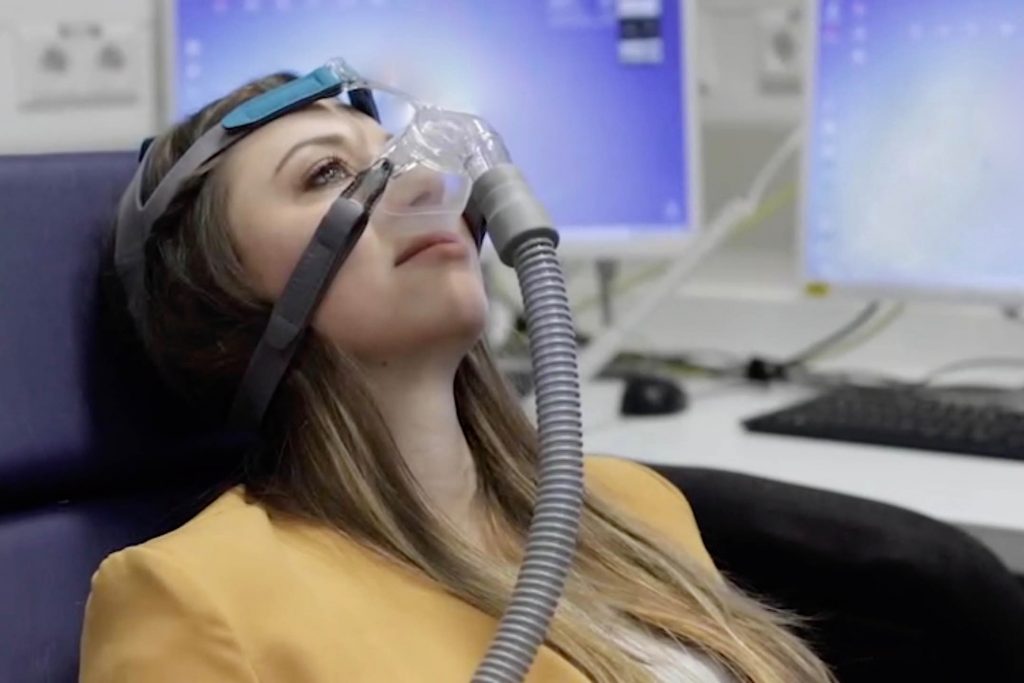
In the sleep laboratory the patients are treated with a mask like this.

Normally, an adult needs seven to nine hours of sleep to wake up refreshed. But for many people, fatigue, listlessness and exhaustion are nevertheless part of their everyday lives. “If someone struggles to recover over a longer period while still sleeping enough, he or she should be examined promptly, because sleep apnea might be the cause,” explains Professor Dr. Ulrich Koehler, Director of the Center of Sleep Medicine in Marburg. People who snore are particularly at risk of suffering from a condition called obstructive sleep apnea (OSA) – also known as sleep apnea. The disorder’s main characteristic are repeated interruptions in breathing during sleep, which, in turn, can trigger heart attacks and strokes.

Respiratory arrest due to sleep apnea

In order to prevent subsequent risks such as strokes or heart attacks, Dr. Koehler advises awareness of symptoms such as extreme daytime sleepiness, persistent exhaustion, reduced daytime performance and memory, and loud snoring. This is because those who sleep poorly both endanger their own health and that of others, such as when driving. Risk groups, such as bus and truck drivers, are especially affected by microsleep (an episode of involuntary ‘sleep’ lasting from a few second to half a minute), which increases enormously the risk of accidents. “Without restful sleep, it is impossible to be refreshed during the day,” says Koehler.

Marburg: Home of sleep medicine

When they began their work about 40 years ago, Prof. Dr. Ulrich Koehler, Head of the Center of Sleep Medicine in Marburg, and his team were the first in Germany to treat the unexplored disorder of sleep apnea. Initially, the unit was focused solely on research. But in the 1980s, their work developed into the first clinical sleep laboratory for diagnostics and therapy. Worldwide patients who experienced breathing pauses during sleep were examined in their home environments via the “Marburger Koffer” measuring device. From this, the researchers learned that loud snoring is an indication of obstructive sleep apnea syndrome (OSA). Studies in hungary show that 60 percent of men and about 40 percent of women snore at night. Men are more frequently affected by OSA since male fat distribution emphasizes the upper half of the body – especially the neck. In women, body fat is stored predominantly on the buttocks and in the legs.

Sleep apnea is caused by sagging musculature or the anatomical constriction of the upper airway at the base of the tongue. During inhalation, the airflow causes the collapsed pharyngeal muscles to vibrate so strongly that loud sounds are produced – and unpleasant snoring ensues. In severe cases, the muscle tissue blocks the airflow completely. Breathing is then no longer possible. The result is hypoxemia, a lack of oxygen in the blood that threatens vital organs. “Breathing pauses can last for ten seconds, and in extreme cases even longer than one minute,” says Koehler. The constant struggle for air inflicts stress on the body. “Some patients produce more stress hormones during their sleep than they do during physical activity throughout a day,” reports Koehler.

CPAP devices improve sleep

Various factors play a role in the occurrence of obstructive sleep apnea. Gender, age, weight, and lifestyle can all encourage the disease, as well as anatomical malpositions in the pharynx and genetic predispositions. After a thorough examination and diagnosis in the sleep laboratory, Prof. Dr. Koehler and his team usually treat OSA patients with mechanical ventilation systems such as CPAP (Continuous Positive Airway Pressure) devices. These devices eject air pressure through a mask, thereby stabilizing the patient’s collapsed airways – comparable to a splint. This simple procedure does not necessitate surgery; instead it requires the patient to wear a mask each night during sleep. “The therapeutic effects of the CPAP device are ingenious. So far, it is the only successful solution for keeping the airway unobstructed without surgery,” says Koehler. Most OSA patients report a significant improvement after wearing the mask for only one night. To complement this therapeutic device, Koehler recommends a healthy lifestyle including abstinence from alcohol and nicotine as well as weight reduction for overweight patients.

Diagnosis is not always easy. Sometimes, Koehler deals with mysterious cases where symptoms do not seem to fit together. “I have treated patients with 500 to 800 breathing lapses during sleep. They were breathing for only a quarter of their entire sleep duration, but they were still fit as a fiddle in the next morning,” says Koehler. Cases like this motivate him to continue his research in order to help people all over the world. To accomplish this goal, Prof. Dr. Koehler and his research team began their work on rare sleep disorders in Marburg approximately 40 years ago. Today, he and his team work in close cooperation with the TH Mittelhessen University of Applied Sciences (THM) and industrial companies in the region. This collaboration of physicians, researchers and medical management companies advances not only research in the Marburg area; it also contributes to international research on sleep-associated diseases like narcolepsy (excessive sleepiness and hypersomnia), somnambulism (sleepwalking) and bruxism (grinding of teeth). Currently, the researchers are mainly working on projects related to telemedicine. “This is a very fruitful cooperation – together we have developed many technical devices over the last few years,” says Prof. Dr. Koehler.

Digital devices disturb sleep

Not everyone sleeping poorly suffers from sleep apnea. Extensive use of smartphones and other media can also disturb sleep. According to Prof. Dr. Koehler, sleep disorders can also be the result of excessive digital usage. Young adults are affected most frequently. They often use their mobile phones to chat and surf the internet until late in the night. Stimulating content and late sleeping hours can cause inner restlessness and lead to “mental cinema” rather than relaxation. Many of Koehler’s patients are overtired adolescents. “Five to six hours of sleep are far too short for adolescents. They often believe that they can compensate the sleep they missed during the week on the weekend, but this is a misconception,” he explains. In order to be productive throughout the day, adolescents require more sleep, especially in comparison to their older colleagues. The expert recommends eliminating every possible stress factor, such as mobile phones and tablets, before going to bed. Regular sleeping hours, long walks in daylight and adapting to the rhythm of the sun are further recommendations that help with simple problems such as the inability to fall asleep or sleep through the night.

Diagnosis is not always easy. Sometimes, Koehler deals with mysterious cases where symptoms do not seem to fit together. “I have treated patients with 500 to 800 breathing lapses during sleep. They were breathing for only a quarter of their entire sleep duration, but they were still fit as a fiddle in the next morning,” says Koehler. Cases like this motivate him to continue his research in order to help people all over the world. To accomplish this goal, Prof. Dr. Koehler and his research team began their work on rare sleep disorders in Marburg approximately 40 years ago. Today, he and his team work in close cooperation with the TH Mittelhessen University of Applied Sciences (THM) and industrial companies in the region. This collaboration of physicians, researchers and medical management companies advances not only research in the Marburg area; it also contributes to international research on sleep-associated diseases like narcolepsy (excessive sleepiness and hypersomnia), somnambulism (sleepwalking) and bruxism (grinding of teeth). Currently, the researchers are mainly working on projects related to telemedicine. “This is a very fruitful cooperation – together we have developed many technical devices over the last few years,” says Prof. Dr. Koehler.