Healthcare Storys
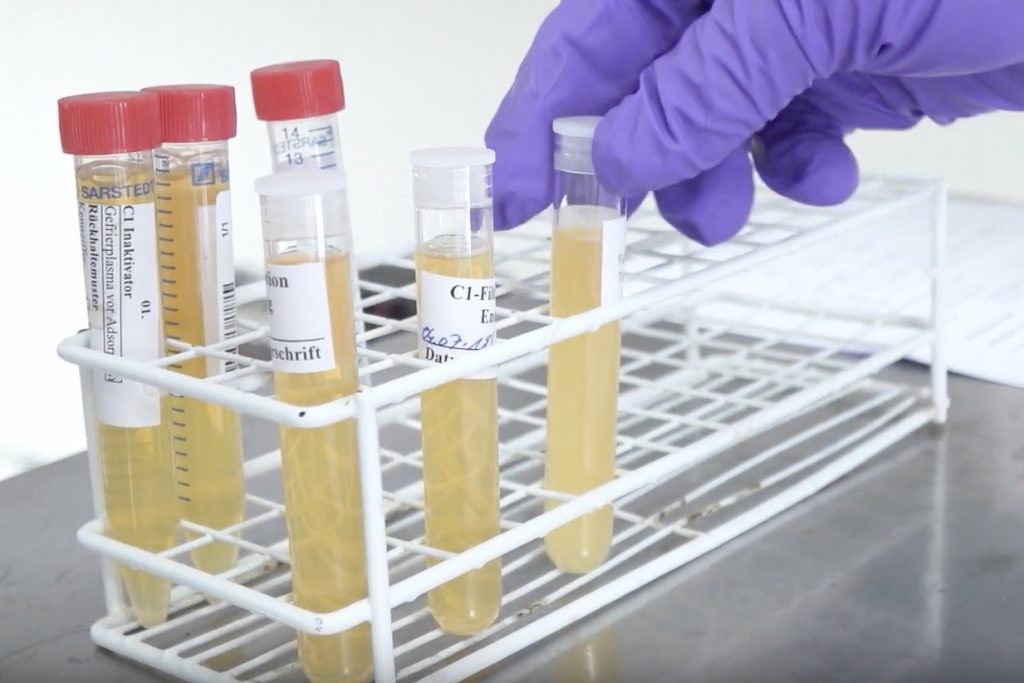
International companies have now joined the alliance to develop a potential plasma therapy. Researchers from CSL Behring are also playing a key role.
Artikel lesen
The German Federal Ministry of Agriculture has declared all employees in the veterinary medicine sector as systemically relevant in the corona crisis. Even so, this order is not enough for Giessen veterinarians - they are working on a wide range of support for the human sector.
Artikel lesen
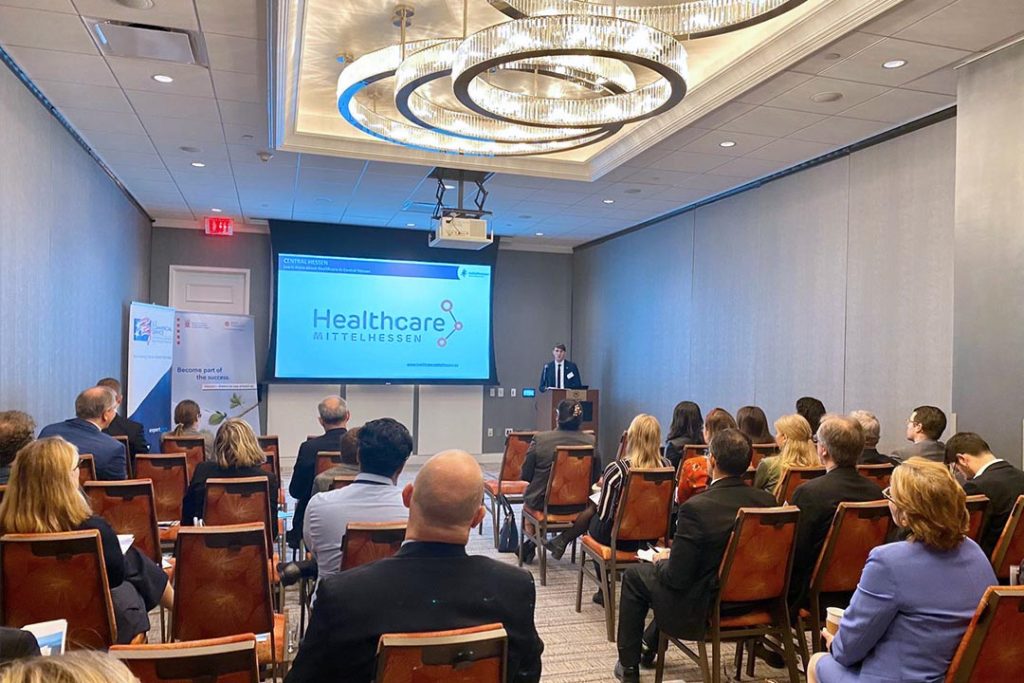
In February 2020 a delegation from Hesse travelled to the US East Coast. The aim: to network the healthcare region of Central Hesse with US hotspots of the industry in Boston, Princeton and Philadelphia.
Artikel lesen
Medical professionals around the world are fighting the threat of corona with all means at their disposal: Researchers and developers are working on solutions to contain the Covid 19 pandemic - and treat patients. Innovations in medical technology from Central Hessen are contributing to this.
Artikel lesen
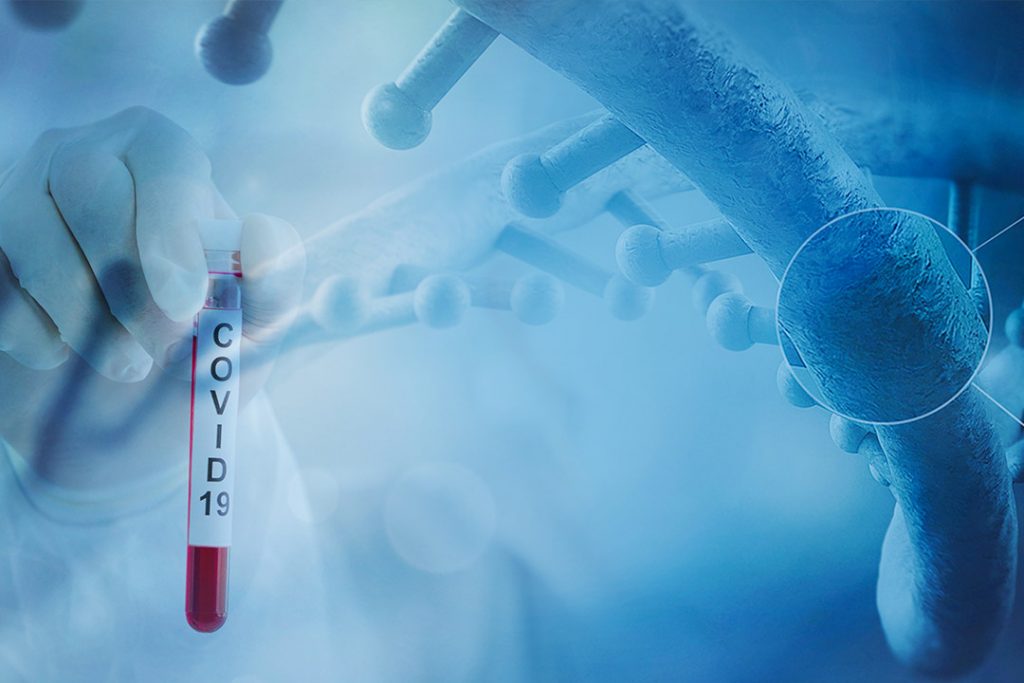
A vaccine against corona would be the breakthrough - and probably the rescue - for millions of people. Scientists around the world are feverishly searching for a serum against the virus. Researchers from Central Hessen are also working tirelessly to find the substance that will save lives globally.
Artikel lesen
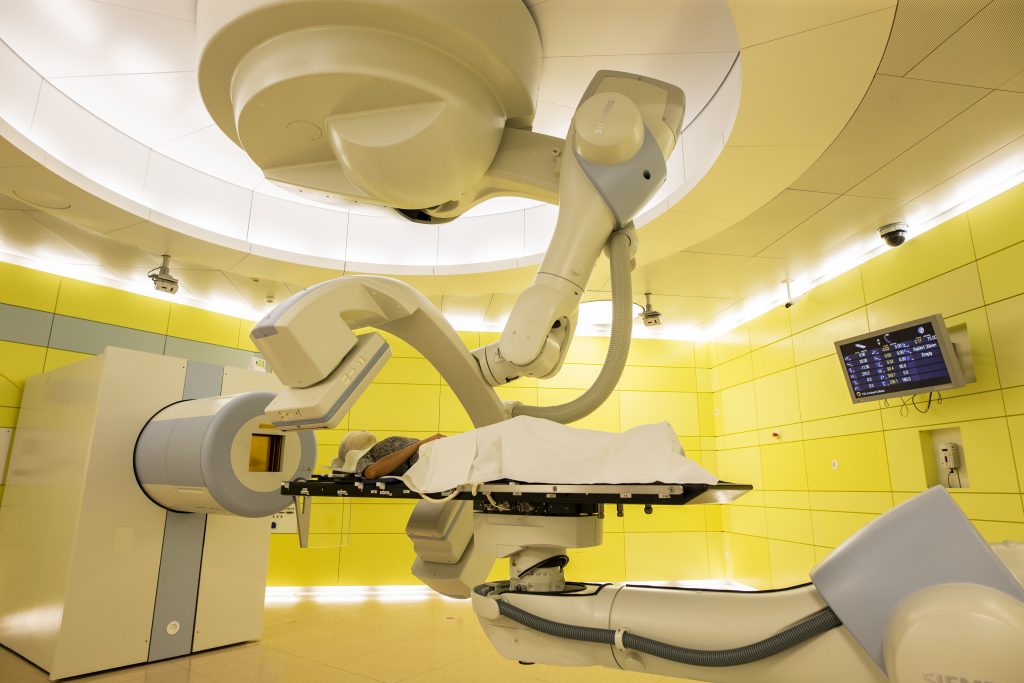
Ein Behandlungsraum des Marburger-Ionenstrahl-Therapiezentrums (MIT)
In recent years, particle therapy has established itself in cancer treatment option for patients, with comparatively low side effects.
Artikel lesen

EXCITING STORY? INNOVATIVE SERVICE?

We bring your content to the blog.
Please contact us. 

Follow us…

facebook - Healthcare Mittelhessen   LinkedIn - Healthcare Mittelhessen   LinkedIn - Healthcare Mittelhessen

Plasma Alliance against COVID-19

The search for a drug to treat COVID-19 is in full swing. International companies have now joined the alliance to develop a potential plasma therapy. Researchers from CSL Behring are also playing a key role in the development of a hyperimmune immunoglobulin

Together against the pandemic: International plasma companies Biotest, BPL, LFB and Octapharma have now joined an alliance to develop a potential plasma therapy for the treatment of COVID-19, consisting of CSL Behring and Takeda Pharmaceutical Company Limited. This alliance will immediately begin trial development of an unbranded anti-SARS-CoV-2 drug. The medicine, a so-called ‘polyclonal hyperimmune immunoglobulin,’ is expected to help treat individuals with serious complications of COVID-19. “This unique, powerful alliance – which also includes our Central Hessen CSL Behring research and production site in Marburg – brings together the expertise and infrastructure of the world’s leading plasma companies to accelerate the production of a potential therapy to treat people with serious complications from COVID-19,” said Dr. Lutz Bonacker, Managing Director of CSL Behring Marburg. 

Blood plasma with antibodies wanted

The researchers are relying on help from the public. “In order to produce this urgently needed therapy, we are dependent on plasma donations from people who have fully recovered from COVID-19 and whose blood contains the necessary antibodies that can fight the novel coronavirus,” said Bonacker. After plasma collection, the “convalescent” plasma is transported to production sites, where it will undergo an established process in which, among other things, existing viruses are inactivated and removed and then purified into the product. Donors can contribute to this project at various centers in the US or Europe.

The researchers welcome further partnerships. Other companies and institutions “that focus on plasma are also invited to support or join our alliance,” says Julie Kim, President of the Plasma-Derived Therapies Business Unit, Takeda. In addition to pooling industry resources, “wherever possible, we will work with government and academia as one partner, such as in key activities such as clinical trials,” said Bill Mezzanotte, executive vice president and head of research and development at CSL Behring. Experts from the alliance partners will work together on all important aspects of plasma collection, clinical trial development and manufacturing processes. 

Veterinary Medicine: Helping in the Fight Against Corona

The German Federal Ministry of Agriculture has declared all employees in the veterinary medicine sector as systemically relevant in the corona crisis. Even so, this order is not enough for Giessen veterinarians – they are working on a wide range of support for the human sector.

Veterinary medicine can also contribute in combating the corona crisis.

From a biological point of view, man is also only an animal. So why shouldn’t it be possible to use capacities from veterinary medicine for humans as well? Researchers from the Department of Veterinary Medicine at Justus Liebig University (JLU) in Giessen, Germany, are already involved in the development of a vaccine against the coronavirus, SARS-CoV-2. In addition, laboratory capacities are now being created at the university’s Institute of Virology, in order to enable tests for SARS-CoV-2. “On the one hand, it will be possible to detect the virus with the test kits currently in use. On the other hand, new test methods will also be established,” says Prof. Dr. Martin Kramer, the department’s dean. In addition, the department is also investigating whether other laboratories in veterinary medicine could also take over testing.

Intensive care equipment for patient care

The Department of Veterinary Medicine in Giessen is currently investigating its facilities to determine the availability of anesthesia equipment with ventilation options and the number of ventilators that are available. Since the ventilators in the veterinary field originally come from human medicine anyway, such usage is easily possible. JLU’s Dr. Sabine Tacke, Professor at the Clinic for Small Animals, is therefore also looking for such devices throughout Germany. This search also includes private animal clinics and practices. Currently, all data is being collected and then provided to official institutions such as health authorities, and the state and federal ministries.

Specialists in nursing and medical care

In addition, JLU’s Veterinary Department is calling on all of its veterinary students and staff who have trained in nursing or human medicine to report to the Dean’s Office. “This includes, for example, people who have learned a nursing profession, who have been trained as paramedics or who are or were employed by the German Federal Agency for Technical Relief,” explains Kramer. Their talents could be used in nursing or care in the event of shortages during the corona pandemic.

Central Hessen on the Move: Healthcare Hotspots in the USA

Central Hessen meets the USA: In February 2020, a delegation from Hsse travelled to the US East Coast. The aim: promote investments by US companies in Hessen. Christian Piterek, Regional Manager of Regionalmanagement Mittelhessen GmbH, was also there. His mission: to network the healthcare region of Central Hessen with US industry hotspots of Boston, Princeton and Philadelphia. He describes his impressions in an interview.

Christian Piterek, Regionalmanagement Mittelhessen

You have visited some healthcare hotspots in the USA. Where exactly were you?

The East Coast of the USA. It’s a trendsetter especially for the healthcare sector. Just think of AI and digitalization in medicine. And especially the regions around Boston and Philadelphia, as well as New Jersey, as the center of the biotech production companies. They were the perfect destinations. We had numerous high-level meetings there. For example, I was able to visit with the German Accelerator Life Science and IBM Watson. In Princeton I met the representatives of BioNJ, and the New Jersey Biotechnology Industry Association. And we had a meeting there with the Entrepreneurial Hub of Princeton University. And then in Philadelphia, we had more network meetings.

What was the purpose of your trip?

With our roadshow, we wanted to promote more investments by US companies in Hessen and further strengthen American-Hessen trade relations. It was important for us as regional management to position Central Hessen as the healthcare region with strong and innovative companies and universities. After all, more than 250 companies are based in our region, the ten largest of which together generate more than 4 billion euros in sales annually. We’ve provided information about this in a variety of formats – lectures, company visits and networking events. I had a lot of concrete examples and points of contact to get in touch with local stakeholders. All in all, it was a good opportunity to raise awareness for the region and to build new networks.

During the Philadelphia Business Day, Christian Piterek informs the audience about Central Hessen as a business location.

What impressions and insights did you gain?

I’ve received very positive feedback. After all, the region of Central Hessen as a region is lesser known in the US. But the region’s strengths became clear in the presentations and discussions, and the participants in the events were very positively surprised by the region’s performance. We also have many, very concrete contacts, which we are now following up on. And we were also able to gain many new contacts, which will make it much easier for us to access the US East Coast for possible cooperations.

Which events impressed you the most?  

For example, we received insights into the topic of AI and deep learning from Armen Pischdotchian, the Academic Tech Mentor at IBM Watson. This is a field that’s also becoming extremely important in medicine. The Philipps University in Marburg has appointed Prof. Dr. Martin Christian Hirsch, one of the leading international experts in the field of AI, to the newly established professorship “Artificial Intelligence in Medicine.” However, it was also exciting to see how Princeton University promotes start-ups from within the university. With their Coworking Space and Coworking Labs, there’s an ideal environment for start-ups in the life science sector. University members as well as external companies can rent space. And the Venture Cafe in Philadelphia was impressive: This is an event for the startup scene in Philadelphia and takes place every Thursday in a Life Science hub. The spirit of the event is extremely cool. There are different panels, lectures and networking. The atmosphere is very open, so even as an external person you can network with the other participants very easily.

What is the general significance of the USA for the healthcare location of Central Hessen and vice versa?

Well, the USA is the most important source market for foreign direct investments in Hessen. It’s also Hessen’s largest trading partner. Hessen’s chemical and pharmaceutical products have been particularly popular in the USA for many years. Ready-to-use drugs, vaccines and diagnostics dominate. And the US East Coast in particular is strong in the life science, pharmaceutical, biotechnology and medical technology sectors. But today we also have to look at quite different areas that are also becoming increasingly important for the healthcare industry, such as data mining solutions or IT security. And also security, for example in the transport of new, highly sensitive biological active ingredients. All of this makes international cooperation indispensable. The current Covid-19 pandemic also shows us just how important it is to have the international exchange of research results.

Hesse evening in Boston, a business networking event for the German community and other interested US Americans.

High-level delegation

The Hessen delegation was led by Dorothee Hanitsch, Hessen Ministry of Economics, Energy, Transport and Housing. Among other participants were Dr. David Eckensberger, Head of International Affairs at Hessen Trade & Invest; Dr. John Gatto, President FrankfurtRheinMain Corp., Chicago office; and Dr. Mark C. Hilgard President American-German Business Club Frankfurt e.V.

Innovation Against Corona

Medical professionals around the world are fighting the threat of corona with all means at their disposal: Researchers and developers are working on solutions to contain the Covid 19 pandemic – and treat patients. Innovations in medical technology from Central Hessen are contributing to this. 

The fight against the corona pandemic requires lateral thinking and innovation. Credit: Natali_ Mis/shutterstock.com

Around the world, there is a lack of suitable respiratory equipment to treat multiple severe Covid-19 cases simultaneously. Now a team from the Philipps University of Marburg and the University Hospital Gießen and Marburg (UKGM) has developed two concepts for simple ventilators in a very short time. The big advantage is that the devices can be produced quickly and relatively inexpensively. They thus create capacity in clinics that no longer have sufficient regular ventilation stations.

The idea for the first concept came from the Sleep Medical Center in Marburg and its treatment approach of sleep apnea. The so-called CPAP (Continuous Positive Airway Pressure) device is already available in many private households. The Marburg team, led by the physicist Prof. Dr. Martin Koch, has now expanded the CPAP devices with components for around 50 euros so that they can be used for artificial respiration. These devices are suitable for people who are already on the path to recovery and need less intensive ventilation; this is because the modified CPAP devices are not as powerful as professional ventilators. They are not, therefore, suitable for the initial treatment of acute, severe corona patients with severe respiratory distress. In such cases, clinical ventilators must be used. But by using the modified devices, clinical ventilation places can be freed up again for acute cases. The first prototypes are already running and have been assessed very positively by relevant physicians of the University Hospital Marburg. To support the production of these devices, the Fritz Winter Iron Foundry in Stadtallendorf will build the first series in a training workshop.

Fast Help from Emergency Resuscitation Bags

For countries where CPAP devices are not widespread, the team is currently developing simple devices based on so-called “Ambu Bags” as a second approach. These “Ambu Bags,” or resuscitation bags, are used in first aid and are available in large quantities at low cost. They consist of a mask that is pressed onto the face and a compressible bag that is compressed by hand at regular intervals for ventilation. The Middle Hessen research team is now developing mechanical devices to periodically compress the bags. The experts want to make all technical information and construction instructions publicly available, thus creating the possibility that the devices can be reproduced in large numbers worldwide. “Our senior physicians confirm that the developed devices would be used as a ‘last line of defense’ for ventilation if there was no other option,” says Prof. Dr. Harald Renz, Medical Director of the Marburg University Hospital. 

Biotech for Faster Tests

However, the fight against the coronavirus is also supported by innovations from a small company from the Europaviertel in Giessen: With strips of paper not much bigger than a match, Milenia Biotec GmbH hopes to make its contribution against the Covid 19 pandemic. The company developed rapid tests back in 2003. Since then, these tests have enabled evidence of a broad range of conditions: everything from pregnancies to beverage contamination – but also the coronavirus. And the faster an infection can be detected, the faster these patients can be isolated. But Milenia Biotec does not produce finished corona tests: Instead, these strips are a tool from which experts can develop different tests. “The customers need know-how for this, of course. But if they have already developed the basis for virus testing, adaptation to corona is feasible with manageable effort,” said Dr. Ralf Dostatni, Managing Director of Milenia Biotec, in an interview with Germany’s Giessener Allgemeine Zeitung newspaper. 

A Vaccine Against Corona – Research at Full Speed

A vaccine against corona would be the breakthrough and probably the rescue for millions of people. Scientists around the world are feverishly searching for a serum against the virus. Researchers from Central Hessen are also working tirelessly to find the substance that will save lives globally.

A vaccine against the coronavirus SARS-CoV-2 will save millions of people. But it has yet to be developed. Credit: Mongkolchon Akesin/shutterstock.com

Healthcare experts from Central Hessen are also involved in the world’s race to find a corona vaccine: The Institute of Virology at the Philipps University of Marburg, for example, is an important authority in the development of vaccinations. In Marburg, the Institute is working in cooperation with other scientists within the German Centre for Infection Research. In doing so, the researchers are relying on what information is already available and building a new vaccine from a finished so-called ‘vaccine platform’ along with part of the respective new virus. But their efforts are challenging: “The development of a vaccine is a lengthy, laborious process, especially the clinical testing for the approval of a candidate. It cannot be done in a few weeks,” said Stephan Becker, Director of the Virology Institute at the Philipps University of Marburg, in an interview with Germany’s ZDF Television. Becker likes to compare the vaccine’s development with a Lego car: “You have the car ready. All you need are the tyres: You put them on, and then the thing is ready,” said Becker in an interview with hr-info.

Top Hessen Research in Marburg

“We are very proud of our top-level research in Hessen in this field,” emphasized Angela Dorn, Minister of Science in Hessen, during a visit to the Marburg Centre of the Institute and the DRUID research centre, which is funded as part of the Hessen research promotion initiative LOEWE. “In Marburg, we have a competence centre that holds an exceptional position both nationally and internationally in the diagnosis and research of highly infectious diseases,” Dorn added.

Giessen University Conducts Research in a European Network

Scientists at the Justus Liebig University of Giessen, Germany, are also working with partners in Sweden and Italy on the development of a vaccine against the coronavirus SARS-CoV-2. The vaccine’s prerequisites were created by the publication of the virus genome by Chinese researchers and the establishment of a vaccination platform, which was part of a previous EU project among the partners. Funding from the European Union is now ensuring that vaccine candidates can be optimized and tested in clinical trials as quickly as possible. As one example, The OPENCORONA (Rapid Therapy Development through Open Coronavirus Vaccine Platform) Project, led by the Karolinska Institute in Stockholm, will be funded by the EU Framework Programme for Research and Innovation (“Horizon 2020”) for two years, with an estimated three million euros. The Justus Liebig University of Giessen is connected with the working group of Prof. Dr. Friedemann Weber at the Institute of Virology in the Department of Veterinary Medicine.

The potential vaccines are so-called ‘DNA vaccines,’ based on the viral genetic material. Weber’s research group uses cell cultures to investigate how the innate immune system reacts to the different vaccine candidates. The researchers intend to start testing the vaccines in animal models as soon as possible. If everything goes according to plan, the first human trials will most likely begin in 2021 and will take place at the Karolinska University Hospital in Stockholm. The researchers will not, of course, keep their results to themselves. “We will continue to disclose our data so that other scientists – and ultimately all of us – can also benefit from them,” said Prof. Dr. Friedemann Weber.

Fighting cancer gently thanks to particle therapy

Ein Behandlungsraum des Marburger-Ionenstrahl-Therapiezentrums (MIT)

18.1 million new cases: That was a recent WHO International estimate for the Global Cancer Burden. In Germany, alone, experts estimate there will be 500,000 this year. However, with the right therapy, many of these cancer patients have a strong chance to recover. New treatment options are part of this survival story. As one example, since 2015, the Marburg Ion Beam Therapy Center (MIT) has been offering tumor patients a gentle alternative to conventional radiation (x-ray) therapy: this newer approach is known as particle therapy. Thanks to particle therapy, the doctors at the MIT are achieving sensational success with their patients – as was the case with Harald Thamm.

Ein Behandlungsraum des Marburger-Ionenstrahl-Therapiezentrums (MIT)
Because treatment via particle therapy is effective and comes with the side effects are comparatively low side effects, in recent years, particle therapy has become established as an effective treatment option. (Photo: MIT/UKGM)

It was a routine dental check-up that changed Thamm’s life. Doctors happened to diagnose a palate tumor approximately the size of a golf ball. A difficult decision had to be made quickly about how to treat this delicate part of the body: surgery or radiation? The decision was made for particle therapy at MIT. The advantage of this special radiation therapy is that the beam is directed at the tumor tissue with millimeter precision. The particles are accelerated in such a way that they precisely deliver their effect at the predetermined depth, i.e. in the tumor. Surrounding tissue is thus largely unaffected. This precision is particularly important in treating tumors that are located next to highly radiation-sensitive organ structures. 

What happens during photon irradiation?

In “conventional” photon irradiation, the tumor is irradiated with light particles. These consist mostly of x-rays. Particle therapy is different: Here, protons and heavy ions are used for the irradiation. This type of irradiation causes damage to the DNA of the tumor cells. When the therapy is successful, these cells will die. Unlike other forms of therapy, particle therapy makes it possible to protect surrounding tissue thanks to the high precision of the electrical particles and simultaneously high radiation dose. Depending on the clinical picture, particle therapy can be carried out as the sole treatment or as a supplement to photon therapy, as a “boost therapy.” It is also possible to combine particle therapy with surgery or drug treatment.

new cases of cancer are estimated by experts for 2020 in Germany.
0

More precise, more effective, more gentle

Because treatment via particle therapy is effective and comes with the side effects are comparatively low side effects, in recent years, particle therapy has become established as an effective treatment option. This therapeutic approach is particularly beneficial for children, as long-term growth and developmental effects can be avoided. Along with the MIT, there is one other particle therapy facility in Germany, located in Heidelberg, that also uses carbon ion therapy technology. Before each patient is treated at the MIT, an interdisciplinary tumor conference is led by Professor and Dr. Rita Engenhart-Cabillic, Director of the Department of Radiotherapy and Radiooncology UKGM and Medical Director of the MIT, where each patient is be presented and discussed at the University Hospital Giessen and Marburg. All hospital departments are represented so that the maximum of professional skills are made available to the patient. Depending on the type, size and location of the tumor, the course of therapy is determined at the tumor conference.

Außenbereich des Marburger-Ionenstrahl-Therapiezentrums (MIT)
Along with the MIT, there is one other particle therapy facility in Germany, located in Heidelberg, that also uses carbon ion therapy technology. (Photo: MIT/UKGM)

Cancer-free with particle therapy

At MIT, depending on the type of cancer, protons (hydrogen atoms) or heavy ions (carbon atoms) are used for radiation therapy. The particle energy ultimately required for a treatment is achieved in a particle accelerator, a synchrotron with a diameter of about 22 m. With the help of magnets, the ions are accelerated to up to 75% of the speed of light before they are diverted to the respective treatment room and to the patient. Harald Thamm was fortunate: He survived thanks to particle therapy. In view of the tumor’s size and location, the doctors had to act immediately, but it was also quickly clear that the tumor should not be cut out through a standard, and enormously complex, approach, which would have been an operation in which the tissue would be removed from the thigh to reconstruct Thamm’s palate. Thamm would then have to be artificially fed for weeks and would also have to relearn how to speak. Together with his doctors, Thamm decided to have the tumor treated via particle therapy at MIT, as one of their first patients. With the help of carbon ion therapy, the doctors not only saved Thamm’s life, but also saved him from weeks of pain and a long rehabilitation process. Their decision was a success: The radiation treatment worked. Thamm has now been cancer-free for three years. He also felt no pain during his treatment and experienced very minimal side effects. It’s outcomes like this that are paving the way for particle therapy to become a doctor and patient’s ally in the fight against cancer.

Gebäudegrafik des Marburger-Ionenstrahl-Therapiezentrum (MIT)
In the synchrotron, ions are accelerated up to 75% of the speed of light with the help of magnets. (Photo: MIT/UKGM)

company profile

The Marburg Ion Beam Therapy Center (MIT)

The Marburg Ion Beam Therapy Center (MIT) has been providing an innovative technology for the treatment of tumors since 2015. For irradiation, the doctors use charged ions instead of the usual photons used in radiation therapy. This ion approach has an advantage: Tumors that are difficult to reach can be irradiated precisely. The protons and ions also avoid damaging organs that are not surrounding the tumor, such as the lungs or heart.