Healthcare Storys
Giessen dermatologist and professor Dr. Peter Mayser has succeeded in developing a natural anti-dandruff agent in collaboration with Symrise AG, which is being marketed under the name Crinipan® PMC green.
Artikel lesen
Courses of study with a focus on healthcare are growing enormously at the Technical University of Middle Hessen (THM) in Giessen. University President Prof. Matthias Willems provide insights into exciting developments in the field of digitization.
Artikel lesen
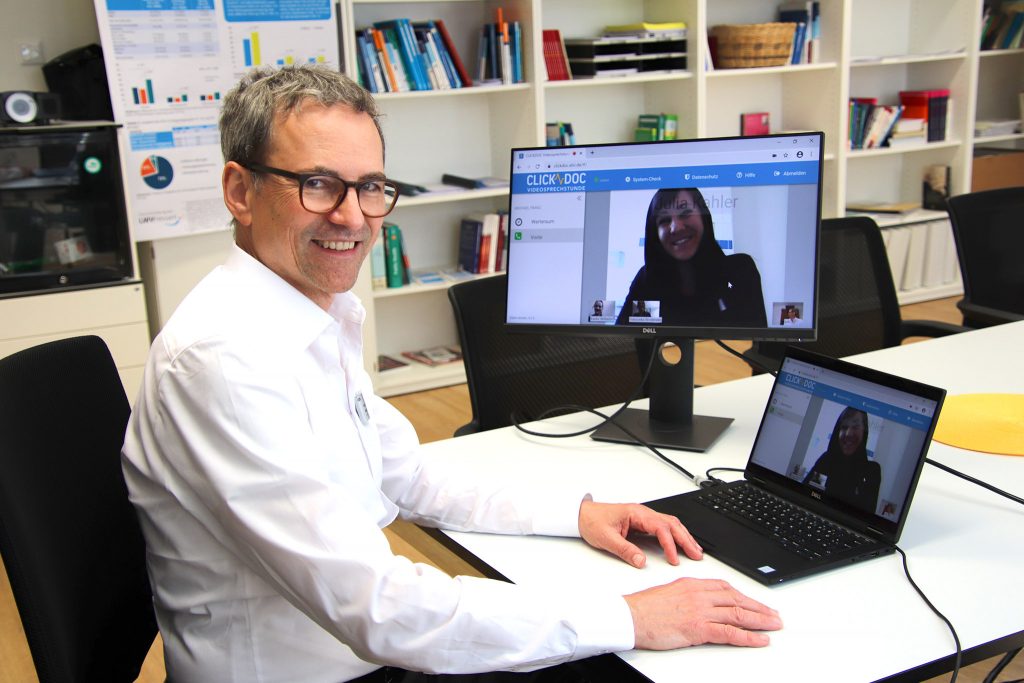
At the Vitos Klinik Gießen-Marburg, you can now receive comprehensive teletherapy treatment from the comfort of your home. More information here:
Artikel lesen
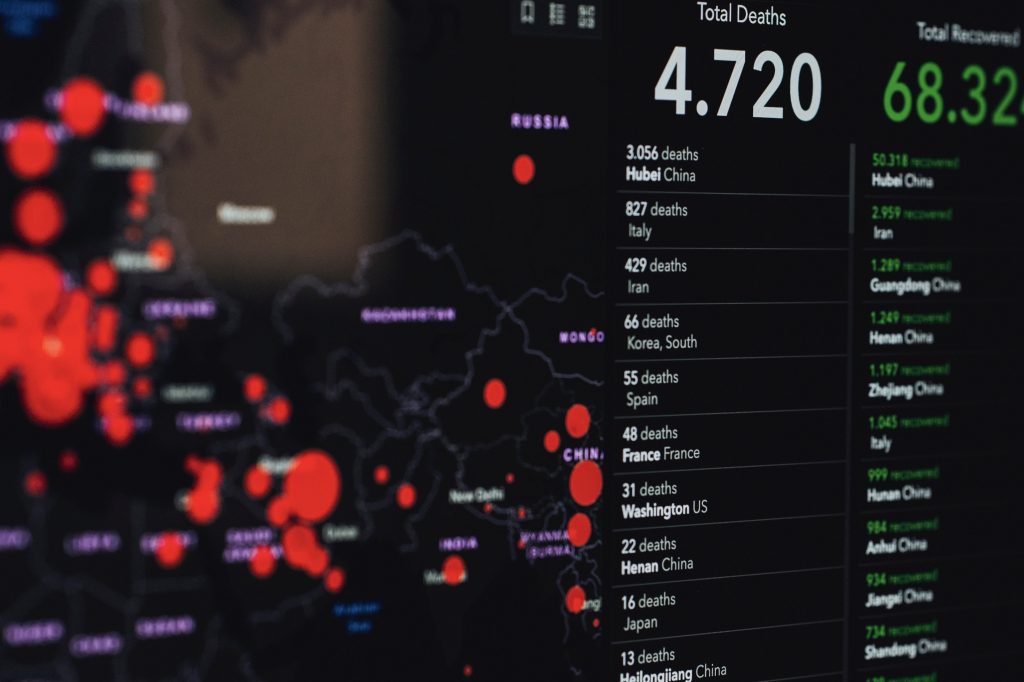
Medical experts already agree that coronavirus can also affect other organs such as the heart and kidneys - as well as the central nervous system. However, there is no reliable evidence for the exact pathomechanism. To clarify this, a nationwide register is currently being set up at the University of
Artikel lesen
A vaccine against SARS-CoV-2 is the saving anchor for millions of people. Healthcare experts from Central Hessen have again come a step closer to this goal. Clinical trials on humans can begin.
Artikel lesen
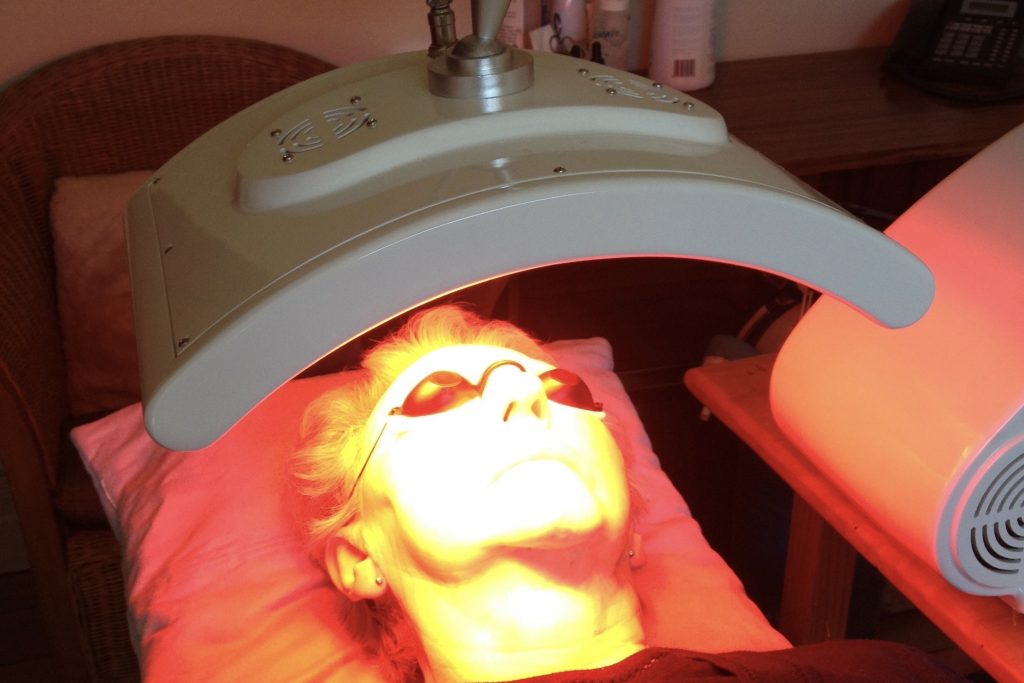
Scientists at Marburg University are testing photodynamic therapy - PDT for short - for its effectiveness in COVID-19 patients. PDT is already being successfully used for other diseases.
Artikel lesen

EXCITING STORY? INNOVATIVE SERVICE?

We bring your content to the blog.
Please contact us. 

Follow us…

facebook - Healthcare Mittelhessen   LinkedIn - Healthcare Mittelhessen   LinkedIn - Healthcare Mittelhessen

Nature against dandruff: researchers develops new bioactive ingredient

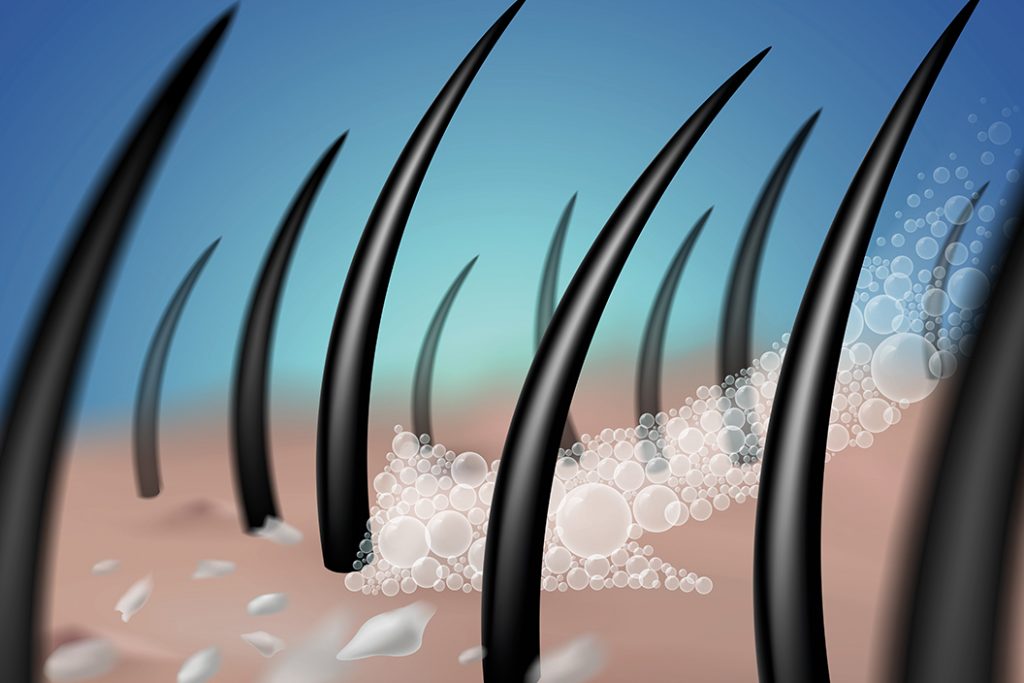
A natural remedy against dandruff without typical side effects has long been sought in vain by those affected. But this could soon change: Dermatologist and Professor Dr. Peter Mayser from Giessen has succeeded in developing a naturally-based active substance that effectively reduces dandruff. His research success could enable cosmetics manufacturers to stop using synthetically produced active ingredients that have been commonly used until now. Mayser’s product, marketed by Symrise AG – a global supplier of cosmetic ingredients – will be under the name Crinipan® PMC green.

(Credit: VectorManZone)

Conventional anti-dandruff shampoos often contain synthetically produced antimycotics such as piroctone olamine or zinc pyrithione, sometimes combined with other active ingredients. However, these conventional anti-dandruff agents are often only partially environmentally friendly, and they upset natural bacterial flora. These ingredients can also cause allergies and lead to further side effects such as inflammation, skin irritation and irritation or permanently itchy scalp.

A yeast fungus with an anti-dandruff effect

In contrast, the specific mode of action of Mayser’s new anti-dandruff agent uses biological effects of the yeast fungus Malassezia, which, paradoxically, is also the cause of dandruff. Malassezia yeasts belong to the normal physiological skin flora of humans. However, they are also known to cause various skin diseases. Numerous cosmetic problems and skin diseases in humans and animals such as dandruff are Malassezia-associated diseases. They are caused by excessive colonization of the scalp by Malassezia yeasts.

In contrast to conventional antimycotics, the biological agents identified in Prof. Mayser’s invention are only activated by metabolic processes of the Malassezia yeasts. Thus, they only unfold their effects when an excess of Malassezia yeasts is actually the cause of existing dandruff. It may also be proven that this active ingredient has a beneficial effect on the remaining microflora of the scalp and has a nuturing component. With the exception of some multifunctional ingredients, this novel mechanism of action is the first innovative anti-dandruff active ingredient in decades, according to its manufacturer, Symrise.

Eco-friendly anti-dandruff agent

“I am very pleased that the many years of constructive research and development work in cooperation with Symrise have now resulted in an effective and, at the same time, harmless and environmentally friendly anti-dandruff agent,” emphasizes its Giessen inventor, Prof. Peter Mayser. “In addition, the therapy of all Malassezia-associated diseases is also faced with the problem of resistance formation,” Mayser continues, “and this is also increasingly observed in this yeast fungus. Some Malassezia strains are already resistant to proven antimycotic drugs. There is, therefore, a great need for our non-toxic compounds in other areas for the treatment of Malassezia-associated diseases.”

(Credit: Symrise AG)

Prof. Peter Mayser is head of the TransMIT project area for diagnostics and therapy of mycoses (fungal infections of the skin). During his work as senior physician at the Clinic for Dermatology, Venerology and Allergology at the University Hospital Giessen and Marburg (UKGM), he received several awards for his research results in the diagnosis and therapy of human fungal diseases.

Symrise AG is a global supplier of fragrances and flavors, cosmetic ingredients and functional food ingredients. Its customers include perfume, cosmetics, food and beverage manufacturers, the pharmaceutical industry and producers of dietary supplements and pet food. The group, headquartered in Holzminden, Germany, is one of the world’s leading suppliers and is represented by more than 100 subsidiaries in Europe, Africa and the Near and Middle East, in Asia, the USA and Latin America.

THM Giessen: Practical studies with a global perspective

Having studied medical informatics, Prof. Dr. Matthias Willems is pleased about the intersection of health and medicine in his research. Today, Willems is not only a researcher, but he serves as President of University of Applied Sciences, Middle Hessen (THM), a role he has held since 2016. He speaks here about educational priorities, university plans and current challenges in research and teaching.

(Credit: Technische Hochschule Giessen)

What do you see as the important task of universities today?

Prof. Willems: We have to give young people today the basics, so they can continue to develop and learn about new topics again and again. For example, they need to understand how to approach a project. While the basic research principles will not change, the methods will. What is needed here is flexible thinking and the willingness to think about new areas.

The health service at THM has grown enormously. What exactly is new?

Prof. Willems: We have, for example, founded the department of health. There we offer medical informatics and a medical management ourse with five different specializations – and were surprised by the enormous interest shown by students and employers alike: We now have over a thousand students in this department. In the future, we want to offer academic training opportunities for young people who are interested in medical professions such as midwifery or nursing. In research, we are working on topics such as digital medicine, 3D printing and telemedicine. Here we work closely with our partners on the Middle Hessen research campus. With the University of Marburg, for example, we use telemedicine to monitor patients with chronic lung disease. And with AI, we want to better care for babies with nighttime breathing problems. All of these approaches pursue one goal: We want to improve the lives of patients with the help of new technology. This goal is also reflected in teaching: We have very good modules that we now use with virtual reality or augmented reality to understand the real world even better. For example, our students can take a close look at a carotid artery and at the same time learn details about its anatomy and function.

Prof. Dr. Matthias Willems (Credit: transQUER GmbH)

How do you see the region positioned in terms of healthcare?

Prof. Willems: In terms of the medical region: We have three universities here with a total of 70,000 students and complementary product portfolios in the study courses. The differences strengthen the overall picture and promote synergies. This means that there is always the opportunity to build up joint projects and to use the strengths of all three universities. Our students, for example, can combine their research with practical application at the university hospitals. Everyone benefits from this – often even beyond the borders of Hessen.

of the approximately 20,000 graduates of the THM over the last ten years have remained in the region.
0

What are THM’s greatest strengths?

Prof. Willems: The special and perhaps also the outstanding aspect, even in national comparison, is the regional networking, on the one hand, and the application relevance, on the other. Our students learn in concrete projects, solve real problems and can demonstrate practical results. They are thus optimally prepared for their professional lives. Our studies train personal responsibility right from the start – and students from different departments are increasingly working together. I’m thinking, for example, of the concept of racing cars that should go as far as possible with as little fuel as possible, or of our Robotics team.
Our projects in dual study programs offer concrete benefits for our regional partners in industry and local communities. The word gets around – among students as well as among the regional companies to which our graduates transfer.

And what is a big challenge for THM today?

Prof. Willems: On the one hand, digitization will fundamentally change all areas of our lives. Our challenge now is to incorporate into all degree programs the know-how that graduates need to be prepared for their professional fields in the long term. On the other hand, we want to further expand our research priorities so that students will continue to be at the cutting edge of technology in the future – in medical informatics as well as in biotechnology and electrical engineering. Another aspect will be ethics in digitization. This means, for example, questions of how you deal with the media, and which data will be disclosed in the future.

The corona pandemic is a further force of transformation. How do you see the THM in terms of being equipped for this crisis?

Prof. Willems: As a result of the corona crisis, courses started late in the semester and will initially be offered exclusively in digital form. But I hope it will not take too long before we can show that we are not a distance learning university and what ‘studying’ really means. Hopefully students will soon be sitting in lectures and laboratories again, getting to know their fellow students and making new friends. In general, we are, of course, preparing ourselves to help shape the digital change – also in teaching. We must adapt our teaching methods to the new behaviour. We have to use technical possibilities not as an end in itself but in such a way that they bring improvements to learning. It will not be enough to simply record teaching content or lectures on video. The teachers have already found very individual and innovative ways in the Corona crisis. But of course, classroom teaching will remain: This means lectures, seminars and, above all, the central element of the University of Applied Sciences — practical exercises in which you learn how to solve practical problems.

Teletherapy: treatment on screen

The Corona pandemic has turned the world upside down. Now, leading guidelines advise keeping distance from others and reducing social contact. But these measures have also raised an enormous challenge for daily therapy in psychiatric hospitals — for successful treatment, above all, human contact is needed. For this reason, Vitos Giessen-Marburg has found an answer: Teletherapy as part of a comprehensive treatment concept. Prof. Dr. Michael Franz, Medical Director at the Vitos Clinic Giessen-Marburg, explains how it works.

Author: Susanne Richter-Polig, Vitos Klinik für Psychiatrie und Psychotherapie, Giessen und Marburg

Prof. Dr. Michael Franz

Professor Franz, what is your concept of “teletherapy?”

Prof. Dr. Michael Franz: Teletherapy offers the possibility of treating patients virtually. The therapy offers procedures, and contact design is based on what would occur in a real medical ward – only we use the help of a telephone or video connection. Several people can take part in such meetings, so that visits and meetings are possible for individuals or even small groups. In the near future we plan to offer ergotherapy and exercise therapy with short video clips. An online skills group is being planned, and much more. Physical contact is usually only made once during the recording, as a physical examination is also part of the procedure.

What is the current procedure during a week of teletherapy with patients?

Franz: As a patient, you have daily morning contact with the nursing staff, plus individual contact or contact in a small group within a morning meeting to discuss patient needs. At the moment there is a daily one-on-one interview with the therapist, a psychologist or doctor, as well as reference care interviews. Once a week there’s a visit to the senior physician, and there’s a weekly medical visit. In addition, members of the Department of Social Services introduce themselves to each patient and offer support. As mentioned, all of these services are being expanded, step by step. They are based on the “blended care” approach, an integration of online intervention into regular, face-to-face psychotherapy, which is currently considered the gold standard. For this reason, initially there’s direct contact with a therapist when a patient is admitted, which is also used to collect the physical information about the patient.

What technical equipment do patients need to participate in this therapy? Is a smartphone enough?

Franz: The minimum requirement is a functioning telephone. We can achieve a great deal with this alone. Of course, a desk-top computer or device that has a camera and microphone is ideal for a connection with image and sound, such as with the ClickDoc program. Here, the patient and several doctors see each other, for example, during a visit. They can upload, exchange or view documents together, such as a weekly therapy plan. For patients, there’s even a virtual waiting room. In psychiatry, however, we also want to reach patients who can’t have technical equipment. Therefore, we also work with normal telephone conversations. Telephone contact should not be underestimated. In the treatment of borderline patients in acute crises, for example, we’ve been using telephone coaching for a long time, and it’s proven to be very effective.

"The minimum requirement is a functioning telephone. We can achieve a great deal with this alone."
Prof. Dr. Michael Franz

For whom is teletherapy suitable?

Franz: In principle, it depends more on the reliability and ability to coordinate with a patient than on his diagnosis. However, it’s in the nature of things that illnesses that can be influenced more by language therapy benefit more than those that require a structured framework and short contacts. As a rule, depression, anxiety and obsessive-compulsive disorders, borderline disorders, trauma disorders, personality and somatoform disorders can be well treated. Patients with acute external self-endangerment or suicidal tendencies are, of course, excluded. There are also limits for topics such as acute detoxification or dissocial disorders. It must always be assessed individually whether teletherapy is the treatment of choice for a patient or not.

Personal contact between people is very important. A virtual offer is not the same as a face-to-face meeting. Why can patients still benefit from virtual treatment?

Franz: We have a so-called bonding system. This refers to the parts in our brain that carry and process our relationships with other people. We know that this attachment system has a very calming and downright health-promoting effect. We also know that therapy results are strongly influenced by the quality of the therapeutic relationship. However, it’s an open question whether a bond becomes effective only when someone is sitting face-to-face with another person. Data from studies on online therapies and the aforementioned “blended care” suggest that good temporary bonds can also develop when a large part of the interaction takes place over the phone or with video support. If the contact is good, our brain completes the connection to the counterpart to a certain extent. This is why good voice transmission is so important. However, there are individual people who do not succeed with this. These patients are then usually dependent on the physical presence of a counterpart to build a relationship.

After the corona pandemic, will teletherapy continue to be an integral part of Vitos Giessen-Marburg’s range of therapies?

Franz: Our teletherapy concept is an innovation and, at the same time, a contemporary format, even beyond the current pandemic. Even before the crisis, the areas of application, availability and evidence base of online and teletherapy in an international context were constantly increasing, especially since previously unreached patients can be reached with this format. The question was not whether such a comprehensive teletherapy offer would exist at some point in time, but when and where. Now we’ve started, and at Vitos Clinic, we will be ready at a very early stage of this development with an elaborate therapeutic concept and proven experience. With the help of quality indicators, we will evaluate our concept and critically assess it. An efficacy study in the narrower sense should be prospective and include a control.

This interview by Prof. Dr. Michael Franz was first published on the Vitos-Blog.

Does coronavirus also affect the nervous system? New biobank to provide data that COVID-19 is more than a lung disease

Medical experts already agree that coronavirus can also affect other organs such as the heart and kidneys – as well as the central nervous system. However, there is no reliable evidence for the exact pathomechanism. To clarify this, a nationwide register is currently being set up at the University of Giessen.The biobank collects samples from the central and peripheral nervous system of deceased COVID-19 patients.

Sars-CoV-2 often means more than cough and fever: Many people who fall ill with COVID-19 also suffer from dizziness, headaches and severe impairment of senses such as smell and taste. A study from Wuhan, China shows neurological symptoms in every third patient. Researchers have also identified the genetic substance of SARS-CoV-2 in patients’ cerebrospinal fluid. But whether and what the coronavirus triggers in the nerve cells has not yet been thoroughly investigated. 

The German Society for Neuropathology and Neuroanatomy (DGNN) has therefore initiated a Germany-wide register of human samples from the central and peripheral nervous system (CNS, PNS) used in COVID-19 autopsies. The biobank with the name CNS-COVID-19, which was applied for as part of the “National Research Network of University Medicine on COVID-19,” is being established by the Institute of Neuropathology, whose director Prof. Dr. Till Acker is also the chairman of the DGNN, and the Institute of Medical Informatics at the Justus Liebig University of Giessen. Also involved in the organisation is the MIRACUM consortium (Medical Informatics in Research and Care in University Medicine), which is funded within the framework of the Medical Informatics Initiative (MI-I) of the Federal Ministry of Education and Research (BMBF) and in which all three member universities of the Central Hessen Research Campus are involved.

With the help of the new biobank, scientists will now have access to cells and data in order to investigate potential CNS involvement in detail morphologically, molecularly and clinically and to better understand the development of SARS-CoV-2 infections. For example, it is not known in which clinical courses and at what frequency the CNS is involved in COVID-19. For this reason, close cooperation has been agreed with the PanN3 initiative of the German Neurological Society (DGN), which investigates neurological concomitant diseases associated with COVID-19.

This Central Hessen registry will be networked with other COVID-19 patient registries. “The registry will be made available to the scientific community,” emphasizes Prof. Dr. Till Acker. Besides him, the University of Giessen is also involved: Prof. Dr. Henning Schneider and Prof. Dr. Keywan Sohrabi (both from medical informatics), PD Dr. Jan de Laffolie (pediatrics), PD Dr. Anne Schaenzer (neuropathology) and Prof. Dr. Christiane Herden (veterinary pathology). Prof. Dr. Axel Pagenstecher (Neuropathology) from the Philipps University of Marburg is also part of the team. The researchers involved hope for a rapid implementation, as a similar register for children and adolescents with chronic inflammatory bowel diseases already exists. 

Corona vaccine ready for clinical trials

For the global population, a SARS-CoV-2 vaccine would be a salvation. Healthcare experts from Central Hessen have again come a step closer to this goal, with clinical testing on humans.

Worldwide, the development of a vaccine against SARS-CoV-2 is in full swing. In Central Hessen, too, the next stage of development has begun: The first clinical trials on humans will already begin in September. “The construction plan for the vaccine is ready. Now the vaccine still has to be produced for the clinical tests,” explains Prof. Dr. Stephan Becker, head of the Institute of Virology at the University of Marburg and coordinator of the Emerging Infectious Diseases division at the German Centre for Infection Research (DZIF). “Financially and logistically, everything is in place for the start of the phase 1 clinical trial,”says Becker. In this phase, the focus is not only on the tolerability of the vaccine candidate, but also on the human immune response: This so-called immune monitoring – the characterisation of the antibody response – will take place in Marburg. The vaccine quantities required for the clinical phase 1 are produced by IDT Biologika in Dessau, Germany. Production is expected to be completed in the next three months, so that clinical trials can begin in September.

Viruses as vaccine ferries

The so-called vector vaccine was developed by researchers at the Ludwig Maximilian University in Munich (LMU) under the direction of Prof. Dr. Gerd Sutter. These vectors are attenuated viruses that can be used as harmless transport vehicles. Sutter’s team uses the Modified Vaccinia Ankara Virus (MVA), which was produced at the LMU more than 30 years ago – at that time, for vaccination purposes against smallpox. In the race to find a vaccine, this is a big advantage: “This gives us a platform technology, and, in principle, we can put any foreign genetic information under the control of our vaccination virus,” says Sutter. “It’s a proven vector system for which large-scale production has already been established. The basic virus has been fully characterized. Together with genetically modified variants, it has also been clinically tested on more than 12,000 people. We already know the side effect profile and immunogenicity of the basic vaccine very well,” Sutter adds. 

Benefiting from the knowledge about the MERS vaccine

The DZIF experts also have experience with vaccine viruses: These have already been successfully used as vectors for the development of vaccines against the MERS coronavirus, which occurs in Saudi Arabia and is transmitted from dromedaries to humans. As a close relative of SARS-CoV-2, the MERS coronavirus vaccine has already successfully completed its first clinical trial and is currently in further development. Prof. Marylyn Addo from the University Medical Center Hamburg-Eppendorf (UKE) is leading the clinical trial for the new vaccine candidate against SARS-CoV-2. “For many procedures in this development process, the experience from the MVA-MERS study can serve as a blueprint,” says Addo, who has already played a major role in the development of the MERS vaccine. It was found that the vaccine against the MERS coronavirus is very well tolerated, and the vaccinated individuals showed an immune response.  

In spite of turbo development – No vaccine in 2020

Addo adds that regulatory preparations for clinical trials of the new vaccine have also already begun. “The official recruitment of volunteers can only take place after the ethics committee has given a positive vote, but interested parties can already register now – at the e-mail address: info-covid@uke.de,” she adds. Although the development of the vaccine is much faster compared to earlier procedures, the researchers are conservative in their outlook: This year, the vaccine will not yet be available. Vaccine development remains a long and arduous process. “In particular, the clinical trial for the approval of a vaccine candidate takes longer than a few weeks,” says Becker. A vaccine against coronavirus is highly likely, then; the question is, rather, when will it be ready for wide-spread use.

With laser light against COVID-19

Photodynamic therapy (PDT) is simple and already being used successfully. Scientists at the University of Marburg therefore also want to test PDT for its effectiveness in COVID-19 patients, given its many advantages.

What kills HI viruses in blood bottles could also work with sars-CoV-2 in the human body. As soon as the safety approval has been granted, scientists from the Department of pharmacy Pharmacy at the University of Marburg therefore want to test photodynamic therapy (PDT) as a therapeutic option for patients with COVID-19. “This form of therapy is nothing new and has no side effects,” says Prof. Udo Bakowsky, Managing Director of the Institute of Pharmaceutical Technology and Biopharmacy at the Philipps University, and is optimistic. PDT was developed for killing HI viruses in blood preserves – and is also used for this purpose. In 2015, the PDT has already been tested for its efficacy on the mers coronavirus. 

The principle of photodynamic therapy is simple: A very thin laser, i.e. light of a defined wavelength, is directed at vitamin B2. The vitamin is injected into the patient’s blood and interacts with viruses and microorganisms; as soon as the light source hits the vitamin, it destroys the genetic information of the viruses. Only the dead shell remains. “Since B2 is a substance produced naturally in the body, there are in principle no side effects,” said Bakowsky’s colleague Dr. Matthias Wojcik. In PDT, the laser enters the body through a cannula. “The patient does not feel any of this,” says Wojcik. Further approaches already exist in skin cancer therapy and for the defence against multi-resistant germs, the so-called hospital germs. 

The Marburg researchers want to transfer their PDT analogously to corona patients. They want to place the laser directly in the lungs of intubated patients and thus kill the viruses directly. Bakowsky estimates the duration of the treatment to be about 30 minutes per day, and that over seven days. His colleague Prof. Frank Runkel, a member of the institute and also professor at the Technical University of Central Hessen (THM) in Gießen, also hopes that the tests will soon be allowed to start: “This form of therapy can be used quickly, is inexpensive, potentially effective and extremely gentle on the patient.