Healthcare Storys
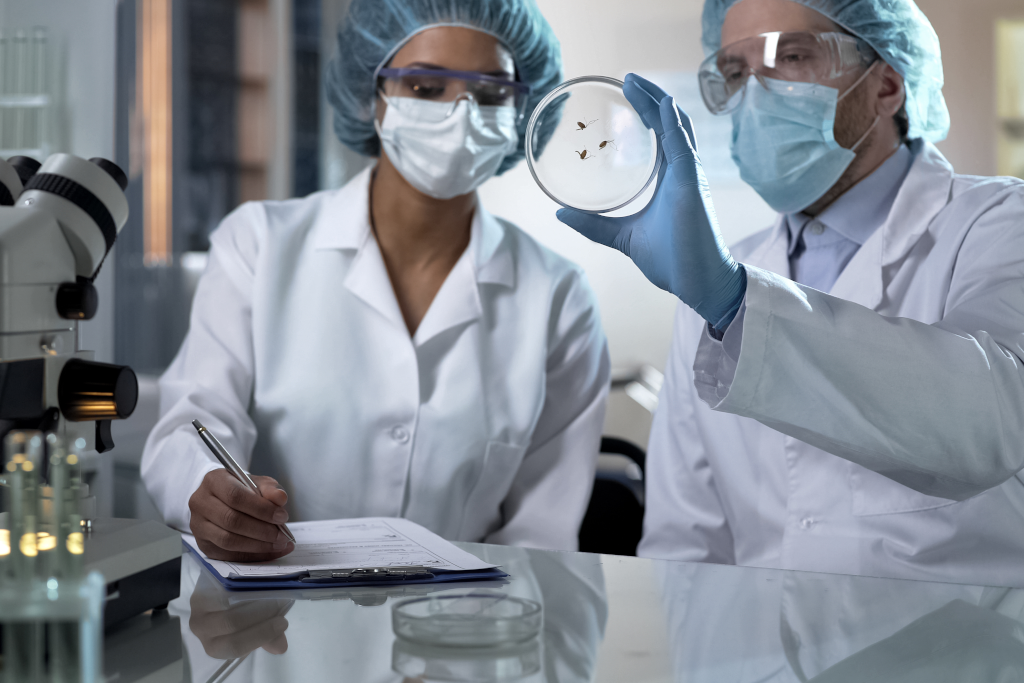
Multi-resistant pathogens become dangerous when they enter the body through wounds and cause infections. Researchers from the Gießen University want to get better insights in the core of these pathogens to hinder their spreading.
Artikel lesen
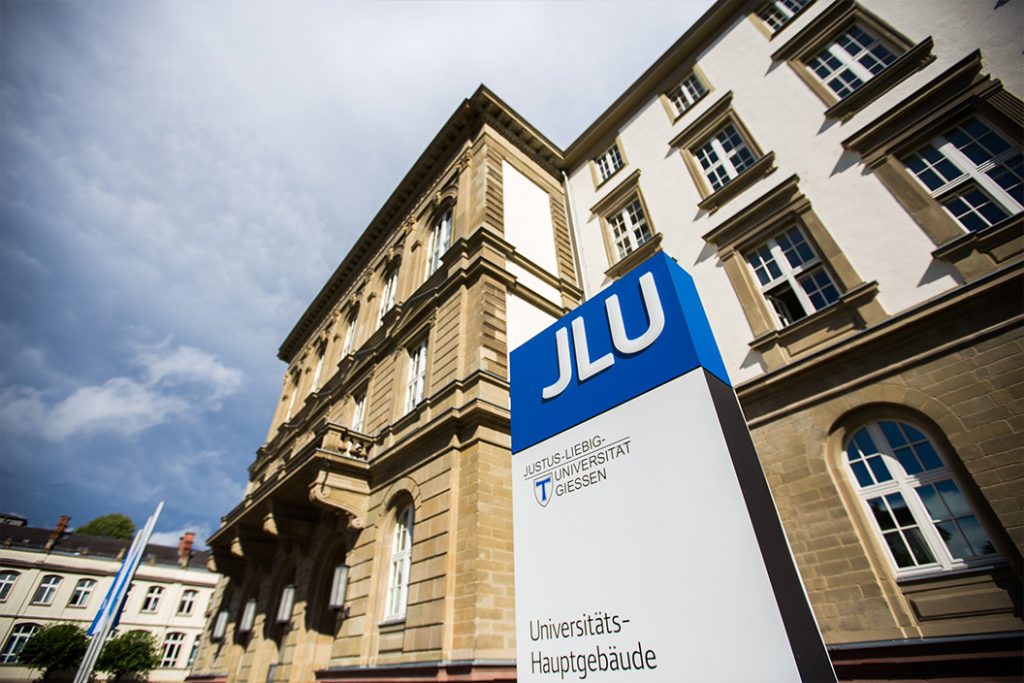
Prof. Dr. Joybrato Mukherjee, the President of the Justus Liebig University Giessen, speaks about top-level research and scientific excellence in science as well as current challenges in medicine.
Artikel lesen
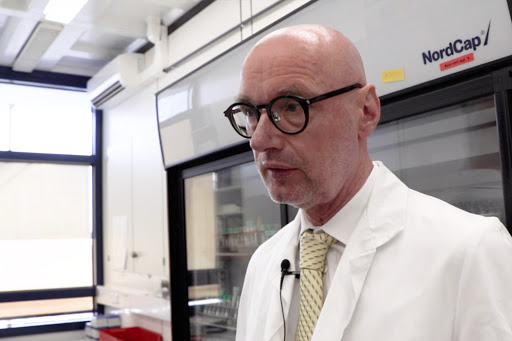
Prof. Dr. Harald Renz is medical director of the University Hospital Marburg. As a laboratory physician, he knows exactly how important individualized clinical diagnostics are.
Artikel lesen
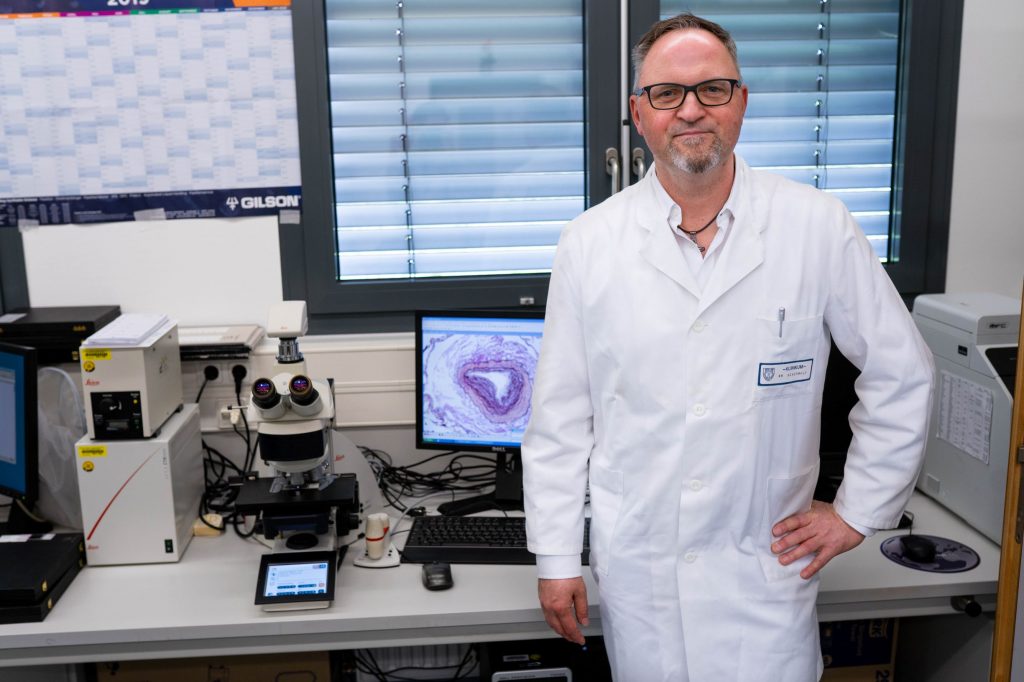
Prof. Dr. Ralph Schermuly vom Deutschen Zentrum für Lungenforschung am Fachbereich Medizin der Justus-Liebig-Universität Gießen
Prof. Dr. Ralph Schermuly is an expert in the field of experimental pathophysiology and pulmonary hypertension. Since 2011 he and his team have been conducting research on causes and disease mechanisms to better understand pulmonary hypertension.
Artikel lesen
At the Center for Unknown and Rare Diseases (ZusE) at Marburg University Hospital, patients find help from Prof. Juergen Schaefer.
Artikel lesen
DFG President Prof. Dr. Katja Becker has dedicated her life as a researcher to one goal in particular: to develop new drugs and diagnostics against poverty-associated and neglected infectious diseases.
Artikel lesen

EXCITING STORY? INNOVATIVE SERVICE?

We bring your content to the blog.
Please contact us. 

Follow us…

facebook - Healthcare Mittelhessen   LinkedIn - Healthcare Mittelhessen   LinkedIn - Healthcare Mittelhessen

Everyday contributions against antibiotic resistance

Increasing numbers of germs are resistant to antibiotics – and endanger human lives. Dr. Can Imirzalioglu and his team are researching these pathogens to prevent them from spreading. In this interview, Imiraglioglu — the medical director of the Institute for Medical Microbiology at the University Hospital in Giessen — explains his strategy and what each individual can do to prevent the spread of antibiotic resistance.

Credit: Shutterstock

Why are multi-resistant germs dangerous? 

Dr. Can Imirzalioglu: These pathogens, which are associated with many outbreaks of infections in hospitals, are characterized by the fact that they colonize in the intestines of many people. It is now assumed that up to ten percent of the population carry such resistant pathogens permanently in their intestinal flora. For some pathogens, we have received indications that they occur more frequently in the population than in the past. The problem with all multiresistant pathogens is that they can colonize in the intestine for years or decades without causing symptoms. These pathogens can spread more than others and pass on their resistance. 

How can the pathogen spread?

Dr. Can Imirzalioglu: For example, these pathogens can trigger an infection in a patient after an operation, which may also mean a weakening of the immune system. Or he may pass the germs on to other people in the hospital. For example, if a resistant E. coli bacterium sits next to a non-resistant bacterium in the intestine, the first bacterium can pass on the resistance to the second. But these transmission mechanisms are difficult to understand. 

PD Dr. Can Imirzalioglu, Inst. Medizinische Mikrobiologie, JLU Giessen

What exactly are you working on?

Dr. Can Imirzalioglu: Within the framework of the German Centre for Infection Research (DZIF) we are mainly concerned with the problem of the spread of multi-resistant Gram-negative pathogens such as Escherichia coli and Klebsiella pneumoniae. By means of gene analyses we can gain deep insights into the spread patterns of the multi-resistant pathogens. This gives us the opportunity to develop new approaches to combat the spread, prevention, diagnosis and therapy of infectious diseases.

What results have you achieved so far? 

Dr. Can Imirzalioglu: We have been able to gain a wide range of insights into the spread of resistances and multi-resistant pathogens in humans, animals and the environment. Among other things, we have detected the resistance gene mcr-1 for the first time in Germany. This gene conveys resistance to an absolute reserve antibiotic. We were also able to show that a transfer from animals to humans probably took place here. Through the use of certain antibiotics in animal breeding, this resistance gene was able to spread and was then probably gradually transferred to humans.

What can be done against the spread of antibiotic resistance?


Dr. Can Imirzalioglu: For me, it is important to stress that everyone can influence the spread of antibiotic resistance through their actions and activities. A lot depends on our own attitude and how we deal with diseases. Of course, we must also take responsibility for countries where resources are not as available as they are here. That is why a global, holistic approach involving each individual is the only way to prevent the situation from worsening further in the long term.

What role does digitisation play in your research?


Dr. Can Imirzalioglu: The genome analyses we perform are based on processes from bioinformatics. In cooperation with the Department of Systems Biology and Bioinformatics, we have developed various processes for the analysis of these data. So far, we are still working without approaches from artificial intelligence. But in the future, this could have a significant influence on the performance of complex analyses. For example, the use of artificial intelligence could simplify genomic sequencing and bring it into clinical routine. This would result in enormous added value for patients because scientific findings could be quickly transformed into diagnostic and therapeutic approaches. 

How do you cooperate with other institutions?

Dr. Can Imirzalioglu: On a local level, we work together with other clinical departments of the University Hospital Giessen, such as Infection Medicine and Urology, but also with veterinary colleagues. At the Hessen level, we cooperate with other university institutions in Frankfurt and Marburg that are active in this research area, and with the Hessen State Examination and Health Authority. On a national level, we are networked with other DZIF locations and the Robert Koch Institute. But we also have a wide range of international cooperations, such as in India, France and Spain. Our role in these collaborations is to precisely characterize the bacterial pathogens and to confirm certain properties experimentally. By means of bioinformatic analyses, we can prove or confirm epidemiological relationships.

“We see ourselves as a strategic partner of the Central Hessen region”

At the University of Giessen, Justus Liebig exists not only in the university’s name. Uni Giessen’s aspirations are also still based on Liebig’s legacy: to form international networks, to establish strategic research partners and to promote young scientists. University President Prof. Dr. Joybrato Mukherjee explains the recipe for success of Hessen’s second largest university and explains how Justus Liebig University Giessen (JLU) has shaped Central Hessen as a research location.

Main building of the Justus-Liebig-University, Credit: JLU/ Sebastian Ringleb

Cutting-edge research and excellence in science, while providing applied solutions for society: How does the university live up to this claim, which Justus Liebig exemplified almost 200 years ago when he gave it its name?

Prof. Joybrato Mukherjee: Excellent but also application-oriented research was very close to Justus Liebig’s heart, and this principle still characterizes the university. With the “Liebig Concept,” we have created a strategy to further develop top-level university research. This includes cooperation with a skilled network of partners – regional, national and international. Our current development plan, “JLU 2030,” is also based on Liebig’s guiding ideas.

How can this be understood in concrete terms? 

Prof. Joybrato Mukherjee: Central Hessen is a special research location. The three universities see themselves as strategic partners, and together we take our responsibility for the region of Central Hesse seriously. Each institution on its own is too small to survive in a tough competitive environment. Therefore, we are dependent on working together as partners.
Above all, the research location is an area of cooperation: We conduct science with an eye to concrete, social problems and want to find solutions. After all, our work is financed by taxes. This also includes establishing new promising disciplines such as insect biotechnology. We are an international leader in this field, which Giessen scientists have played a major role in developing. With the establishment of the Bioresources Unit of the Fraunhofer IME at the Giessen site, there is even the prospect of an independent Fraunhofer facility in central Hessen.

Which partnerships and branches of research are particularly important for the University of Giessen?

president Prof. Dr. Joybrato Mukherjee, Credit: Jonas Ratermann

Prof. Joybrato Mukherjee: Our home region is Central Hessen, which is why we established a strategic alliance a few years ago together with the Technical University of Central Hessen and the Philipps University of Marburg. We founded the Research Campus of Middle Hessen (Forschungscampus Mittelhessen; FCMH), an inter-university institution, with the aim of promoting common priorities.

One of our strategically important partners is the Goethe University, Frankfurt, with which we have a whole range of collaborations – including a joint cluster of excellence in cardiopulmonary research. Our long-standing successful collaboration with the Kerckhoff Clinic in Bad Nauheim was formalized three years ago with a cooperation agreement. With the associated establishment of a “Kerckhoff Campus of the Justus Liebig University of Giessen and its Department of Medicine,” we have created a university cardiac, pulmonary, rheumatism and vascular center of JLU in Bad Nauheim, which expands our research and teaching offerings to include special topics. We also work together with the Max Planck Institute in Bad Nauheim in the field of cardiopulmonary research.

So medical research plays a special role for the University of Giessen?

Prof. Joybrato Mukherjee: Yes, medicine is an extremely important area for us: our spectrum ranges from basic research to the first preclinical studies – if necessary in cooperation with pharmaceutical companies – right up to market approval.
In the field of lung research, for example, physicians from Giessen have been internationally leading for many years. It is not for nothing that the German Centre for Lung Research (DZL) has its association headquarters in Giessen, an association of 29 leading university and non-university institutions dedicated to research into respiratory diseases. In addition, the new non-university Institute for Lung Health will be established in Giessen – initially under the umbrella of the DZL. Research results and findings are to be rapidly transferred into clinical practice. 

One indicator of success is the approval of new active substances. For example, there are five substance classes for the treatment of the various forms of previously incurable pulmonary hypertension, which have been developed over the past 20 years. Researchers at JLU have been involved in the development of three of these substance classes, from the idea to the approval. Our research has thus made a significant contribution to the treatment of this serious disease of the lungs and heart.

Another very recent example is Corona research, where scientists from Giessen are involved both in the search for a vaccine and in the development of drugs. Among other things, an active substance against Covid-19 is being tested in a clinical trial at JLU. I think this is the secret of our success: We have to bring together all the necessary and the best players.

What challenges do you see in medicine?

Prof. Joybrato Mukherjee: I see several aspects to this. Firstly, medicine is faced with problems in recruiting new talent: It’s becoming more and more difficult to fill physician positions. This shortage of qualified staff is becoming an increasing challenge – also in terms of attracting doctors to a scientific career. Secondly, I see economic difficulties coming our way: In the future, we will be even more concerned with providing an aging society with the resources for more expensive therapies. Then there are the current challenges posed by the Corona pandemic – and also possible further pandemics for which we must be prepared. That, too, costs money. Another challenge is certainly digitization, which opens up completely new possibilities and opportunities for medicine. But that also means that the resources for all the new digital options must be made available.

What are the main areas of research besides medicine?

Prof. Joybrato Mukherjee:  In addition to very successful heart-lung research, the psychological domain of “perception and action” is one of our main areas of research. Here we work closely with the University of Marburg. Other important research areas are “Material and Energy,” especially with regard to storage materials of the future; the research field “Culture – Conflict – Security,” with its focus on Eastern Europe; and, of course, insect biotechnology as a sub-area of bioresources, which we are very interested in overall.

partnerships, cooperations and exchange agreements worldwide. The JLU is very well-positioned and networked internationally.
> 0

What is the situation at the international level – particularly when one thinks of the training of young scientists?

Prof. Joybrato Mukherjee: With over 100 partnerships, cooperations and exchange agreements worldwide, JLU is very well-positioned and networked internationally. As a relatively small city with a large university, Giessen is also very attractive internationally. We have around ten percent international students at JLU. Between 35 and 40 percent of our doctoral students come from abroad. This is a very high figure, which shows that we are very successful in promoting young talent with international visibility.

For example, since 2012, we have been cooperating with Australia’s renowned Monash University in an international research training group on reproductive medicine, which is investigating the causes of male infertility. This is the first German-Australian Research Training Group ever to be funded by the German Research Foundation. A special feature is the joint award of the doctorate by both universities for successful graduates.

Our international cooperation in research and teaching focuses on seven strategic partner regions: Australia; Europe, with a focus on Eastern Europe; Colombia; Southern Africa; Wisconsin/USA and – still in the process of being established – China and South Asia. We have established three “JLU Information Points” in Australia, Colombia and Poland, which will further strengthen the existing cooperation with a permanent JLU presence in Sydney, Bogotá and Lodz. There, we present our range of courses and our research focus, advise on funding opportunities and recruit students and researchers.

“We form the interface with precision medicine”

Prof. Dr. Harald Renz is Medical Director of the University Hospital Marburg and also Director of the Institute for Laboratory Medicine and Pathobiochemistry, Molecular Diagnostics at the University Clinic of Giessen and Marburg (UKGM). In this interview he explains the importance of individualized clinical diagnostics — precision diagnostics — and its current challenges.

Prof. Dr. Harald Renz, Fotocredit transQUER

What is laboratory medicine concerned with? 

Prof. Renz: With the help of our work we hope to gain a better understanding of the mechanisms and misregulations on the cellular level that lead to the development of a certain disease. We are mainly concerned with chronic inflammatory diseases such as allergies, asthma and autoimmune diseases, but also with cardiovascular metabolic diseases, such as metabolic disorders – which are also chronic diseases. If we know the exact triggers and causes of a disease, we can develop so-called biomarkers and use them in our tests. The biomarker diagnostics, in turn, are important for choosing the appropriate therapy.

What exactly is your daily routine in the hospital laboratory like?

Prof. Renz: We laboratory physicians do all the in vitro diagnostics for our patients. To do this, we examine biomaterials such as blood and urine, but also punctures and all other fluids that are taken from patients, for more detailed examination. We provide this basic care around the clock, 365 days a year. In emergencies, we have to diagnose life-threatening and serious illnesses reliably. But also before surgical interventions, our examinations help to identify patients at risk and provide information for pre- or post-operative measures. Our special laboratories also perform tumor, allergy, inflammation, metabolism and hormone diagnostics. We also offer our patients high-end diagnostics, for example by using mass spectrometry, which are only available at a few locations in Germany.

What are some of the major challenges in your field?

Prof. Renz: First and foremost, logistics and data processing. Every day we receive several thousand blood samples from patients at our Marburg hospital, but also from other hospitals in the vicinity. That makes a total of several tens of thousands of individual pieces of evidence. All data must be organized and processed. The large amount of information that we obtain here on each case of illness enables us to create a kind of illness map for each individual patient. We are, therefore, right at the interface between laboratory and patient. Our results provide the basis for the therapeutic approach, which today is increasingly moving towards precision medicine.

According to Renz at the Institute for Laboratory Medicine at the UKGM, the laboratory information system alone has more than 200 interfaces. These guarantee a smooth workflow and data transfer from senders such as outpatient clinics and in-house wards.
0

How exactly do you create the disease maps, i.e. so-called precision diagnostics?

Prof. Renz: We are closely involved in MIRACUM, a nationwide network for medical informatics at university hospitals, in which we link research and patient data and thus create a prototype for the construction of new disease maps. The challenge here is to perform a large number of measurements on a patient sample in a very short time. This requires rapid technological progress in biomedicine and major investments in high-tech equipment.

So digitalization has been part of your company for some time, then?

Prof. Renz: Absolutely, because we also have a second dimension in patient data: Many patients are with us for several weeks. If we collect laboratory results over such a long period of time — possibly even from intensive care medicine — we must also register pathological changes in good time. In the future, we will be increasingly dependent on IT-supported systems. The keywords here are artificial intelligence and electronic health records. Because we not only want to treat patients optimally during their stay in our hospital, but we also want to know what is going on with them, who is treating them and what medications they are taking. This is important information that helps us to care for our patients even better.

As an addition to this interview, you can also read this article.

Pulmonary hypertension: Underestimated danger

Prof. Dr. Ralph Schermuly vom Deutschen Zentrum für Lungenforschung am Fachbereich Medizin der Justus-Liebig-Universität Gießen

Prof. Dr. Ralph Schermuly is an expert in the field of experimental pathophysiology and pulmonary hypertension. In 2011 he took over the chair of Pulmonary Pharmacotherapy at the Justus Liebig University of Giessen, Germany. Since then, he and his team have been conducting research on causes and disease mechanisms to better understand the factors and triggers of pulmonary hypertension.

Prof. Schermuly (Credit: transQUER GmbH)

What exactly is pulmonary hypertension, and why is it so difficult to identify diagnostically? 

Prof. Schermuly: Pulmonary hypertension is a disease of the pulmonary vessels. In a healthy lung, the pulmonary vessels have very thin walls. But in this disease, these vessels change, and the vessel walls thicken enormously. The blood, therefore, runs with increased resistance, putting considerable strain on the heart. As a result, the patients initially suffer from severe shortness of breath. This means the way one could walk, climb stairs or go shopping will become increasingly difficult or even impossible, depending on the severity of the disease. So we are really dealing with a prognosis that is only known from various forms of cancer and is associated with a high mortality rate.

The disease is not measurable or visible from the outside, and that is what makes it so difficult to diagnose. Only imaging methods, such as computer tomography or echocardiography, provide reliable proof of which ventricle is enlarged. The pressure in the lungs can only be measured by means of a neck catheter, which is inserted via the vein through the right side of the heart into the pulmonary circulation. This is a very serious procedure. You need a lot of experience, and this is only done in specialized centers like the one we have here in Giessen

What triggers this disease?

Prof. Schermuly: Pulmonary hypertension can be triggered by many different factors. But in principle it can be said that infections, hypoxia – that is, lack of oxygen – and also genetic influences can trigger changes in this fine balance of vasodilating substances such as prostacyclin and nitric oxide. This initiates a remodelling process of the cells of the inner vessel wall, which then thicken, causing the vessel volume to become smaller and smaller; that is, the vessel narrows. In some patients we do not find any trigger for this disease. We call this form idiopathic pulmonary hypertension. This is, of course, particularly frustrating for those affected.

"The disease is not measurable or visible from the outside, and that is what makes it so difficult to diagnose."
Prof. Schermuly

What medications help to treat Pulmonary Hypertension?

Prof. Schermuly: Until a few years ago there was hardly any treatment for this disease. During my doctoral thesis, doctors could only give non-specific vasodilator drugs and basically watch the patient die. The mean survival time in the 1990s was about 3.5 years. A lot has changed since then. In our lung center here in Giessen, Germany, we are investigating the function and mode of action of specific substance classes that play a key role in the central signaling pathway of blood pressure regulation. These include drugs that can be inhaled, such as prostacyclin analogues. They therefore act directly in the lungs and dilate the blood vessels. Orally administered substances, such as Phosphodiesterase PDE 5 inhibitors, Endothelin receptor blockers or soluble guanylate cyclase stimulators act directly in the pulmonary tract and thus lead to vasodilation. These can be administered individually or in combination. In this way, we have succeeded in extending the mean survival time of patients to about eight years. This is a clear step forward and a much better prognosis for patients.  

Prof. Schermuly on the status of research:

Recently, together with our partner research group from Lhasa, we conducted a large-scale study involving several thousand patients. It is extremely complex to sequence the complete genome of the patients. We already have first hints which genes offer exciting targets for drugs. I believe we will be able to report spectacular results in the future.

What projects are you currently pushing forward in your research group?

Prof. Schermuly: Of particular interest is the aspect of hypoxia – a lack of oxygen in the blood vessels. Pulmonary hypertension can also occur as a result of too little oxygen. Conversely, however, this means that we all develop pulmonary hypertension at an altitude of 3,000 meters, depending on how long we stay at that altitude. We want to understand why some people can live at high altitudes and do not develop this disease, while others immediately develop pulmonary hypertension. For this reason we have been working with the Universities of Lhasa in Tibet and Bishkek in Kyrgyzstan for many years. We suspect that genetic factors are also involved in the development of this disease. If we understand why and which genes are responsible, we can learn how to treat our patients here so that this disease is suppressed or does not break out in the first place. To better understand this, we have developed a specific hypoxia mouse model. Here we can test first substances for their efficacy or identify specific genes that are relevant for the disease. This is an important aspect of translational medicine in that imaging techniques and cell and molecular biology studies in animal models can then be applied to humans. The results in the mouse model should, of course, also have clinical relevance. Therefore, we work together with large transplant centers to isolate cells from human lung tissue. Here, we learn about other important relationships in order to gain a better understanding of this disease.

As an addition to this interview, you can also read this article.

“A single lab value buried inside 6 kilograms of data”: Solving rare medical mysteries

He’s the German equivalent of “House M.D.” Every day the most difficult medical cases land on his desk, from patients in a desperate search for diagnosis. In this interview, Prof. Dr. Juergen Schaefer, head of the Center for Undetected and Rare Diseases at the University Hospital of Marburg, explains the detective work involved in complex medical cases.

Foto: Sarah Pflug

What makes a center for undetected and rare diseases different from others?

Prof. Juergen Schaefer: We do nothing different from other doctors throughout Germany and we are not better doctors — and certainly not ‘House M.D.’s. However, the luxury we have here at the University Hospital in Marburg is that we are given the freedom and time necessary to work through difficult cases meticulously. We also have laboratory and IT support, which is very important for us. If we have diseases in front of us that have been described worldwide maybe once or twice, then we need powerful IT support to provide us with data that may have been published, for example, only once somewhere in South America.

Artificial intelligence also plays a role here, as it will greatly support our activities in the foreseeable future. The e-health initiative, which was already launched by Stefan Gruettner as Hessen’s Minister of Social Affairs and is now being consistently pursued, also plays a major role for us here. The fact that we have been able to establish a special professorship for artificial intelligence in medicine in Marburg this year with the world-famous AI pioneer Prof. Dr. Martin Hirsch is also associated with a lot of hope for these rare diseases.

We also have the advantage that we have a clinical research laboratory and low-threshold access to almost all research groups at our university, so that we can use them to solve even quite complex problems. If in this modern world humans can fly to the moon, surely we should also be able to find out what health condition a person suffers from. We also realize just how important our diagnostics are, both for the person concerned and for society as a whole, especially in times of corona. However, whether such facilities like our ZusE (Center for Unknown and Diseases) can survive in the long term stands or falls with their establishment in care plans and fair reimbursement of costs by the funding agencies. Even after 7 years of successful ZusE work, this is still not the case, although we and also the politically responsible persons know how important such facilities are for many people.

"We are probably the only university hospital in the world that has established a center based on a course of lectures."
Prof. Dr. Jürgen Schäfer

How did the center come to be?

Prof. Juergen Schaefer: It all came to us rather by chance. Rare diseases have always interested me. That’s why I worked as a scientist at the National Institutes of Health (NIH) in the USA for four years, and I am glad to be able to continue my research at an excellent university hospital. Here, I have the good fortune that as an endowed professor of the “Dr. Reinfried Pohl Foundation.” I also have the freedom and support to develop and try out innovative teaching concepts. Basically, everything started with a small lecture class entitled “House M.D. revisited – or: Would we have cured the patient in Marburg, too?” In this seminar, I use the TV series “House M.D.,” which is popular with students, as a door opener, so to speak, to get them excited about rare diseases and diagnostic strategies. 

For this teaching format, which we have also scientifically evaluated in the meantime, I was awarded the “Ars Legendi Prize,” the highest teaching award for medical teachers, by the Medical Faculty Association (MFT) and the German Donors’ Association of Founders in 2010. However, this somewhat unusual seminar was not only well received by the students; it also aroused enormous media interest. After I was suddenly named the “German House M.D.” by the German Medical Journal and was awarded the “Pulsus Award” as Doctor of the Year in 2013, I received inquiries from desperate patients from all over the country who were in urgent need of help. Our management at the time, with Prof. J. Werner, H. Thiemann and G. Weiss, supported me in this situation to the best of their ability and then founded the Center for Unrecognized Diseases (ZuK; now known as the ZusE) at Marburg’s University Hospital.  I am still grateful today for the fact that I was not left alone with thousands of inquiries, but that out of necessity a center was founded which is unique in Germany. The fact that a completely new kind of center was founded at a renowned, almost 500-year-old university clinic just because of a class for medical students is probably unique in the world.

"Hessen is an extremely strong region for research."
Prof. Dr. Jürgen Schäfer

How many patient enquiries do you receive?

Prof. Juergen Schaefer: We receive about 1,000 patient inquiries per year. In total, we have received almost 9,000 patient inquiries. Some of these inquiries are easy to solve, but other inquiries take us days to get through. We spend a lot of time reviewing findings. Because of the large number of inquiries, we must insist that the inquiries are sent to us by the treating physicians with a description of the exact problems. A detailed anamnesis, i.e. an exact collection of the patient’s history, is an essential part of our work. The ZusE team meetings, during which we discuss the most complicated cases within a group of experienced colleagues, have a very important function for us. The team then includes almost all the main areas of expertise – from general medicine, laboratory medicine, cardiology, endocrinology, nephrology, neurology, etc. to psychosomatics, which plays a very important role in our work. Sometimes external doctors send us several files packed full of medical letters and findings. Then we sometimes need days alone for processing because we have to look at every single laboratory value; sometimes it is really only  single laboratory value in six kilograms of paper which provides the solution for the disease, and this must not be overlooked. But because of this meticulous work process, the waiting times are also unbearably long, and this is a great burden both for the patients and for us. We also ask patients to first contact the university hospitals close to their home or nearby centers for rare diseases that can be found in the SE Atlas. Especially for our work, an electronic patient file, which allows a quick overview of all findings collected so far, would be a great help.

Prof. Dr. Jürgen Schäfer, Foto: transQUER

Which patient cases have left a particularly strong impression on you? 

Prof. Juergen Schaefer: Cases that really bother me are patient fates that could actually have been prevented if the correct diagnosis had been made early enough. One patient has remained in vivid and painful memory. He came to us almost blind and deaf, with extreme heart failure, and he was actually terminally ill. At the end of the examination it turned out that the cause of his illness was poisoning from a broken femoral head prosthesis. He had received a metal femoral head prosthesis as a replacement for a broken ceramic prosthesis. The remaining ceramic splinters destroyed the metal head and thus a severe metal poisoning occurred, from which our patient (and subsequently many others) almost died. After the defective femoral head prosthesis was replaced, the patient fortunately recovered to some extent and survived this life-threatening situation. Such fates, which endanger the lives of patients and which fundamentally should never have happened in the first place, touch even veteran hospital doctors, who have actually seen almost everything. 

Why is such a center so successful in central Hessen in particular?

Prof. Juergen Schaefer: There are also such centers in other federal states that are no less successful. However, I would like to point out – also in my capacity as ‘Ambassador of Central Hessen’ – that Hessen, and especially Central Hessen, is an extremely strong research region in the field of medicine. Central Hessen is not only located in the heart of Germany, but it also has the highest density of students in Germany with over 71,000 students at three universities – Justus Liebig University, Philipps University Marburg and the Technical University of Middle Hessen. We have unbelievably great focal points in our region, such as an ‘Excellence Cluster Cardio-Pulmonary System’ in Giessen, a high-security laboratorylevel S4 – for highly pathogenic viruses in Marburg, several Max Planck Institutes, collaborative research centers and a strong research-based pharmaceutical and optical industry. In addition, the University Hospital Giessen and Marburg (UKGM) is one of the largest university hospitals in Germany. There are many well-known doctors and renowned researchers working in the region, and since university medicine also fulfils the care mandate of a municipal hospital, patients have always been the focus of attention here and are treated at the highest level.

We also have a great network with the Technical University of Middle Hessen, which means that we have a local network of structures that you have to look for a long time elsewhere in Germany. Our advantage of this is that – unlike in many mega-cities, which of course also have such structures – we have a close network in Central Hessen, open doors and a great willingness to help everywhere. In addition, we have traditionally had very close links with many companies, such as CSL Behring, in the fields of research and therapy. The fact that more cooperation, rather than competition, between universities is also being promoted politically is particularly beneficial to our region – it is up to us to make the best of it.

Helping less privileged people around the globe

She is a biochemist, physician and since January 2020 also President of the German Research Foundation (DFG). Prof. Dr. Katja Becker has dedicated her life as a researcher to one goal in particular: to develop new drugs and diagnostics against poverty-associated and neglected infectious diseases. Prior to that, she was mainly active as coordinator of the LOEWE Centre DRUID. In the interview, the scientist talks about her motivation, her scientific successes and why Central Hessen is a good research location.

Why have you decided to dedicate your life to research on poverty-related and neglected diseases?

Prof. Katja Becker: All my life I have been committed to the interests of people who do not belong to the privileged groups in our world. I always wanted to become a doctor and therefore I studied medicine at the University of Heidelberg. And even as a student I was already travelling a lot, for example to the Friendship Islands and with the Flying Doctors Service in Australia. I then had the opportunity to do my doctoral thesis in the field of malaria research and worked in clinics in Ghana and Nigeria. As I got to know the people in these countries better, I soon realized that I would like to dedicate myself even more to this topic. So there were really only two possibilities for me: either to get involved locally, for example in a clinic in Africa, or to go into science and do research on infectious diseases. When I was offered a postdoctoral position in biochemistry in Heidelberg, it paved the way for me to enter science. And I simply enjoy research, especially the exchange with many people.

What would you describe as the most important research results in your scientific career?

Prof. Katja Becker: In principle, I have pursued three major lines of research. The basic motive underlying it all is cellular metabolism and the balance between oxidative stress and antioxidant capacity. Oxidative stress generates oxygen radicals that permanently affect our body and our cells. In contrast, cells have established a whole range of antioxidative protective mechanisms. If this balance is disturbed, very sensitive areas of fast-growing and rapidly dividing cells such as tumour cells or infectious agents can be hit. This opens new avenues for the development of drugs against cancer or infectious agents. On the one hand, we were able to characterize the metabolism very well in the model organism Drosophila melanogaster, the fruit fly, and identify a key point of the redox metabolism there. The second result, which I am particularly pleased about, is the fundamental characterisation of the redox metabolism of the malaria parasites. And the third result is actually based on a study we conducted in Ghana and Nigeria with malnourished children. We were able to show that these children, who develop edema everywhere, have a very greatly reduced antioxidant capacity. If you give these children the important antioxidant molecule glutathione, you can save their lives.

Prof. Dr. Katja Becker, Foto: Rolf K. Wengst

What advantages does the Central Hessen region offer for your research? 

Prof. Katja Becker: In order to develop new drugs, a whole arsenal of methods from cell culture to molecular biology and the synthesis of new active ingredients is required. All of these skills must be closely interlinked in order for the entire development chain to function efficiently. In addition, there is the translational aspect: If one wants to enter the clinical phase of drug testing, ideally one needs partners from industry who are interested in the topic. We find this combination here in the Hessen region. An important factor is also the interest and commitment of politicians here in Hessen for this topic. In addition, the region is a strong business location and an important location for the pharmaceutical industry. In the LOEWE Center DRUID, for example, we have a consortium of 25 working groups at various locations in Giessen, Marburg, Frankfurt and Langen. 

What is the research focus of the LOEWE Center DRUID?

Prof. Katja Becker: We mainly work on tropical malaria and the malaria pathogen Plasmodium falciparum. About half a million people still die from malaria every year worldwide, almost exclusively children under the age of five. We are trying to characterize new target molecules for drug development in the malaria pathogen. For example, we are clarifying the three-dimensional structure of enzymes that are essential for the survival of the parasite in order to develop very specific inhibitors. We want to target one of the parasite’s Achilles’ tendons. This is what is meant by rational drug development.

"Central Hessen is a strong business location. Ideally, you need partners from industry and commitment from politics if you want to enter the clinical phase of drug testing. And this combination can be found here in the region of Hessen."
Prof. Dr. Katja Becker

What are the most important aspects for such projects to be successful in the future?

Prof. Katja Becker: I hope that we can continue to expand our networks both nationally and internationally. We are currently facing very large and complex global challenges, such as climate change and migration flows. These can actually only be addressed in an international or global context. If you think of the neglected tropical diseases (NTDs), which we are working on in the LOEWE Center DRUID, these diseases affect more than one billion people around the world. This is simply a global situation that is coming, and we have to be very, very well prepared for it. The task of scientists in this context is to carry out studies, deliver results and advise policy makers. Therefore, I hope that we will be able to identify and characterize many new drug targets and thereby bring our projects to market and ultimately benefit patients. In order to ensure the long-term nature of such projects, we need research funds, on the one hand, and very good young scientists, on the other. Only through the close networking of politics, business and science and through cooperation will we be able to solve the global problems we are currently facing.

As an addition to this interview, you can also read this article.