Healthcare Storys
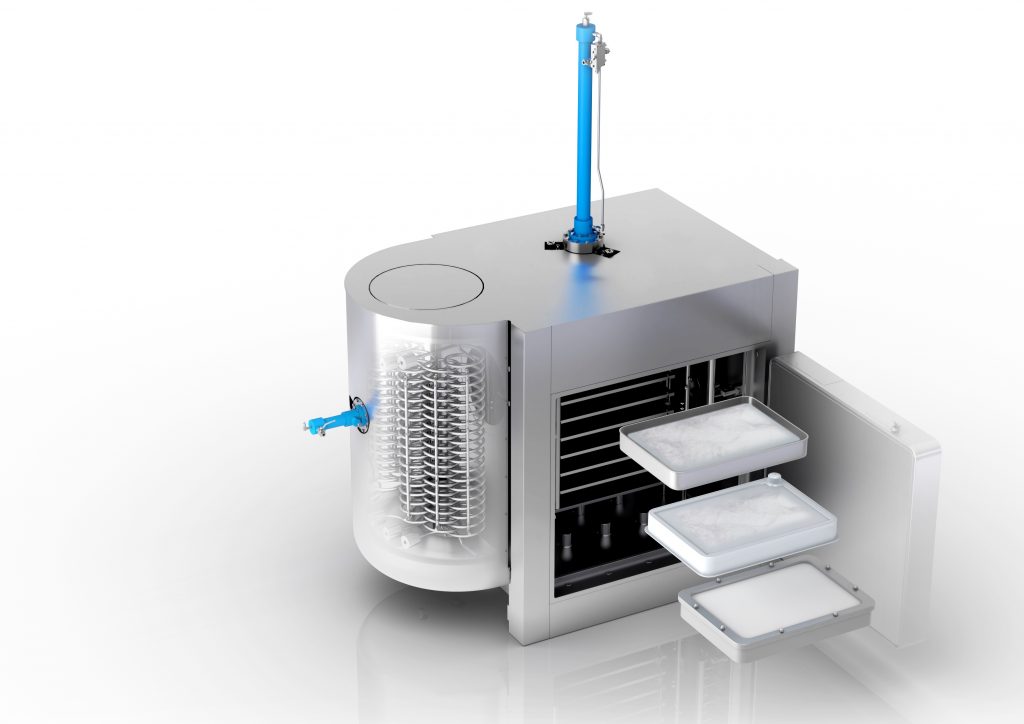
OPTIMA pharma GmbH shows how freeze drying is used in the pharmaceutical industry.
Artikel lesen
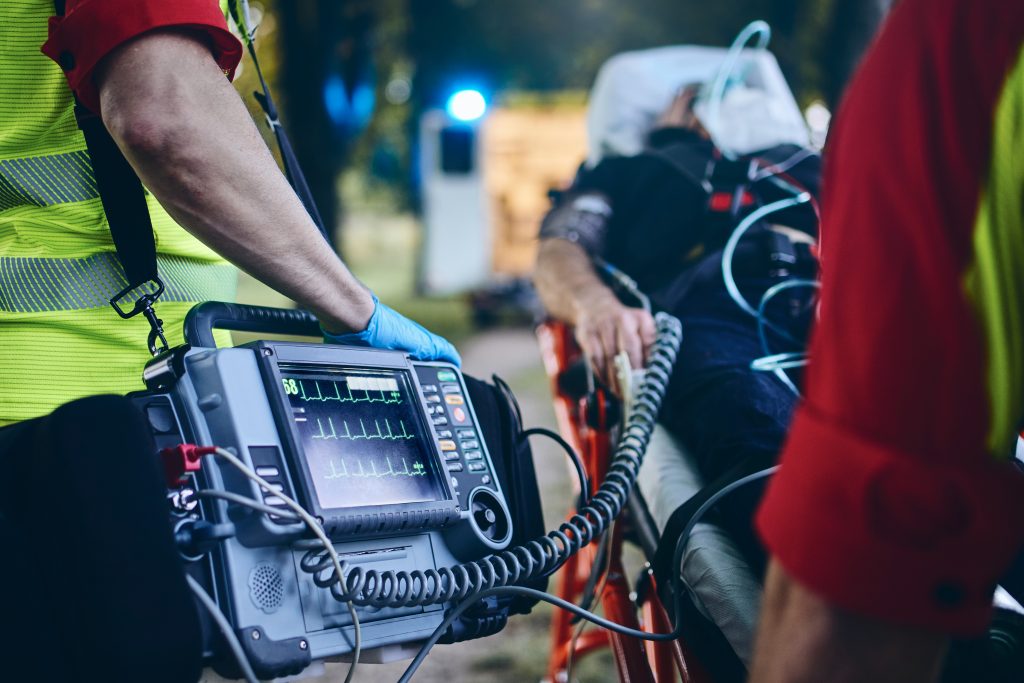
In medical emergencies, speed is of the essence; fast medical treatment is often the factor that determines survival. Speed is also needed also with medical information. The faster it reaches attending hospital physicians from the emergency services, the better the outcome for the patient. To achieve this, CRS medical has
Artikel lesen
mRNA: this “new” technology has provided the fast track to a vaccine in the fight against Corona. The technology makes it possible to quickly adapt the vaccine to virus variants - and it may be groundbreaking for other applications in the pharmaceutical field.
Artikel lesen
Digitalization is making healthcare both more efficient and better. Central Hessen's researchers and industry are pushing the future of digital healthcare.
Artikel lesen

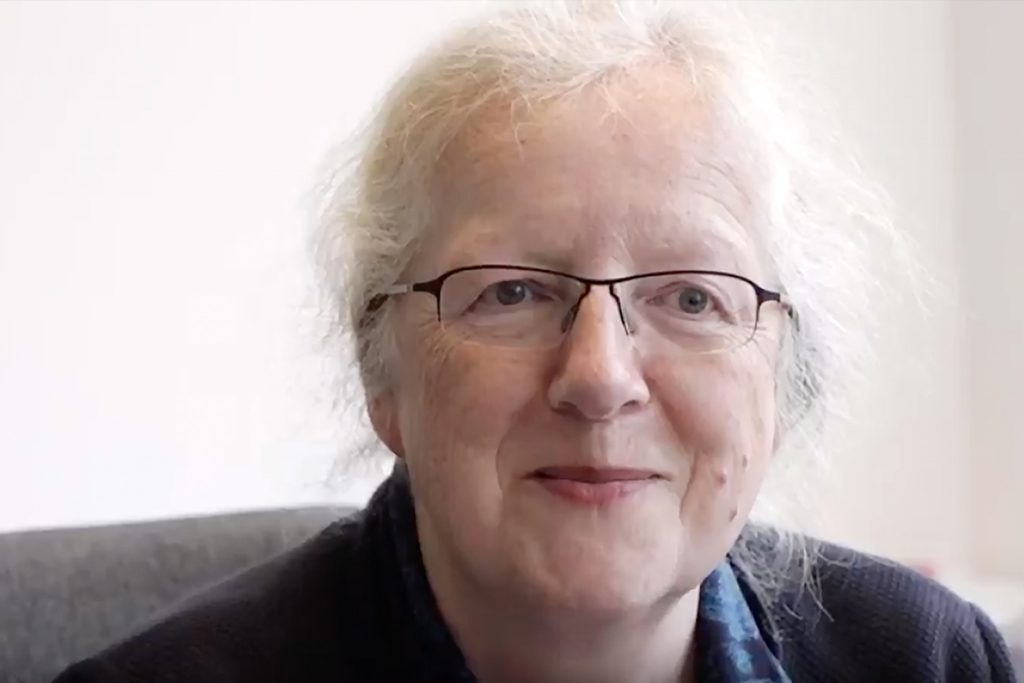
Prof. Dr. Katharina Krause has been President of the Philipps University of Marburg for almost 10 years. Here she talks about the special features of Marburg and why young researchers appreciate the city.
Artikel lesen

EXCITING STORY? INNOVATIVE SERVICE?

We bring your content to the blog.
Please contact us. 

Follow us…

facebook - Healthcare Mittelhessen   LinkedIn - Healthcare Mittelhessen   LinkedIn - Healthcare Mittelhessen

Freeze-drying: peptides in stable form

Biopharmaceuticals are often unstable as liquids and therefore have poor shelf life. This includes their raw materials, such as peptides and  olionucleides, which are necessary for the production of important biopharmaceutical drugs. Freeze-drying is one way to bring these sensitive molecules into a stable form. Optima pharma GmbH in Gladenbach, Germany develops and produces these special systems, which are also suitable for these active pharmaceutical ingredients.

photo: OPTIMA pharma GmbH

Frozen, pressurized, heated: This sounds like the steps of some sort of painful procedure. In fact, they are actually the daily routine in the manufacturing process for biopharmaceuticals and many other drugs, providing a gentle method to remove excess water. The result is the desired active ingredient in the form of a finely powdered substance.

Today freeze-drying, known technically as lyophilization, is a method of choice for the pharmaceutical industry. This process very gently converts antibiotics, hormones, antibodies, RNA-based vaccines, and many other medicines into a storable, solid powder form. “While patients usually receive these medicines in liquid form rather than as tablets, as a liquid formulation the usually sensitive molecules are not particularly stable. They can change in structure and thus lose their effectiveness. In addition, there is a risk of germs in the water,” explains Stephan Reuter, Managing Director of Optima Pharma GmbH at the Gladenbach site in central Hessen. The company specializes in the development and production of systems for freeze-drying.

Frozen water gently evaporated

But what makes freeze-drying a gentle process? A key aspect is the frozen water that evaporates under vacuum (sublimation) while the temperature is gently raised again. Ideally, only the desired product remains, and this is in the form of a fine powder. Another way of extracting a dissolved substance from water is familiar to anyone who cooks: boiling until liquid water has evaporated entirely. However, this latter approach is anything but gentle. The great danger is that the product will be irreversibly damaged by sustained high temperatures. In addition, it is not only water that evaporates during heating; the desired product can also change to a gaseous state and is thus lost. “Freeze-drying, on the other hand, is a safe method and time-tested for converting even sensitive biopharmaceuticals into a stable and storable product,” Reuter says.

Biopharmaceuticals: freeze-drying is preferred

Due to factors like the Corona pandemic, as well as the growing number of biological pharmaceuticals and their transport over long distances, demand for  freeze-drying continues to increase. Optima Pharma has doubled its production area in Gladenbach, where their freeze-drying equipment is manufactured, and the number of employees at the site has also almost doubled since 2014. The company’s export share is more than 85 percent. With an average growth rate of 7-10 percent, the company can look optimistically to the future. Reuter, himself, is confident that this positive trend will continue. “Already, about one-fifth of the top 100 pharmaceuticals are freeze-dried, and for biologics it’s already almost half,” Reuter says. As an engineer, Reuter brings two decades of professional and management experience in the pharmaceutical industry to the work. He foresees methods for continuous product development. “The demand for this method has also increased the requirements for the freeze-drying process itself. As a result, we develop innovative, customized solutions for these needs.”

Peptides as promising drug candidates

The freeze-drying of peptides in particular requires complex production processes and special knowledge. Peptides are small proteins, i.e. protein molecules. They consist of several amino acids linked by peptide bonds. Peptides have numerous functions – some act as messenger substances in plants, for example, and others as hormones in the human body. Due to their properties, there are numerous potential applications for these small proteins in molecular biology, immunology and (bio)medicine. For cancer patients, for example, peptides offer the chance for individualized vaccines to be produced in the future – and thus a promising strategy for effective therapy. “Peptides are highly effective, and they exhibit high selectivity and specificity with regard to their biological targets,” Reuter explains. “Peptides thus offer a promising prospect for novel drug designs and are of great advantage for drug development.”

"The fact is, there is no off-the-shelf freeze dryer that works. We have to adapt the equipment to the particular pharmaceutical product, the customer's wishes and the circumstances on site. This is our special know-how as a special equipment manufacturer."
Stephan Reuter
Managing Director of OPTIMA pharma GmbH

The fine art of freeze-drying

Because of their great versatility, freeze-drying equipment must also be designed to meet the needs of peptide production, the final stage of which involves solid-liquid separation. “In this process, the lyophilisate, also known as freeze-drying cake, is obtained at our customer’s facility in containers that resemble baking trays,” Reuter says. The final stable peptides are then available from milligrams to kilograms in a fine powder form and are filled into vials or glass tubes. “The fact is, there is  no off-the-shelf freeze dryer that works. We have to adapt the equipment to the particular pharmaceutical product, the customer’s wishes and the circumstances on site. This is our special know-how as a special equipment manufacturer,” Reuter says. The company is also involved in a promising area of development: controlled nucleation. The focus here is on the freezing process, which is difficult to control, especially for high-purity products. Uneven freezing has a corresponding effect on the ice structure. However, controlled nucleation is a process that solves this problem very successfully: Additional pressure is built up in the system, which is released at an accelerated rate. This results in the formation of extremely homogeneous ice crystals. At the same time, drying is accelerated.

Turning on energy-saving

Shorter process times in turn reduce the use of consumables – and, above all,  energy. “Despite the great advantages that freeze-drying offers, it is, unfortunately, also a very energy-intensive process, and correspondingly costly,” explains Reuter. “After all, the steel plants, which can weigh up to 30 tons, must first be sterilized with hot steam, cooled to freezing temperatures of up to minus 70 degrees Celsius, placed under vacuum and then reheated to up to 130 degrees Celsius. This is the only way to achieve the desired temperatures inside,” Reuter adds. “As a result, drug manufacturers are often reluctant to consider the technology for their products.” However, refrigeration technology, using new high-performance refrigerants, yields significant savings: Using a dedicated refrigeration system lowers energy consumption. Further, new innovative refrigerants also save 10 to 20 percent in energy. Taking into account the savings from shorter process times, in total freeze drying plants today consume up to a quarter less energy than before these measures were implemented.

Focus on medical trends

Optima Pharma is also working to establish alternative refrigerants and make its technologies more sustainable and environmentally friendly. The reason: Conventional refrigerants unfortunately harbor a high greenhouse potential. The company’s other development goals arise due to trends in the pharmaceutical industry, for example, personalized medicine, mRNA and gene and cell technologies. “These changes influence the production facilities of drug manufacturers, which require fewer large plants, but rather produce decentrally and with smaller equipment,” Reuter says. “Analogous to batch sizes, biopharmaceutical drug projects tend to install smaller freeze dryers, and often multiple freeze dryers in the same move. Even hospital pharmacies are potentially interested in our systems.” As a result, the footprint per freeze dryer or the number of units is a key factor.

Today’s freeze-drying process has become much more energy-efficient and more diverse than it was just a few years ago. Optima Pharma has made it its business to keep an eye on industry trends and to further develop process technologies accordingly – thus making an important contribution to innovative, high-quality pharmaceuticals.

The phases of freeze-drying shown in the phase diagram.

Digitally networked for emergencies

Whether there has been a stroke, heart attack or car accident, every second counts for those affected. Lives can be saved when paramedics and clinicians can act without delay. Fast treatment requires data that is immediately available to everyone. For this reason, experts at CRS medical GmbH, based in Asslar, central Hessen, have established Medgate, a portal for this purpose – and they are also developing a wearable coupled with artificial intelligence.

Photo: Shutterstock

Anyone who has an accident is typically shocked; everything seems to happen in slow motion. For emergency services, on the other hand, a race against the clock begins as soon as they’re alerted. Before they arrive, it may be unclear how the patient is doing and how quickly any type of treatment is needed. Only when the first responders arrive can they get an accurate idea of the patient’s health. “One key device in emergency care is the defibrillator,” explains Dr. Patrick Uhr, Director Data & Products at CRS medical GmbH in Asslar, Germany. “Most of us know the so-called ‘defi’ for resuscitation measures in the event of cardiac arrest. But this device is also used for diagnostics, such as recording ECGs. Modern devices can also measure oxygen saturation, blood pressure and other vital signs,” Uhr adds. All of this is important initial data that the paramedics collect directly on the scene – and which later provides important clues for choosing the patient’s treatment. But the sooner this information reaches the hospital and the doctors treating the patient, the better it is for patient prognosis.
This is precisely where the CRS medical team comes into play. Together, with the subsidiary Avetana GmbH, they’ve developed Medgate, an electronic patient database, since the ECG data measured is initially stored only on the defibrillator and can’t be viewed by the doctors in the hospital. “However, if the defibrillator is linked to Medgate, hospital physicians have direct access to this important initial information,” explains Uhr. Using this data, emergency physicians in the hospital can better prepare because they can assess the patient’s condition before arrival.

Improving the interaction between rescue teams and hospitals

Optimal coordination between paramedics and doctors is particularly important for the treatment of a patient with severe symptoms, a situation where saving time often means saving the patient. For example, if paramedics try to ensure that hospital capacity is created to receive imaging procedures, Medgate can help. “The doctors at the attending hospital login to our central Medgate server and see the patient’s ECG data. This means the hospital doesn’t need its own server, but holds licenses from CRS medical,” Uhr explains. “We also offer the option of installing Medgate on a server locally.” In this case, the hospital itself ensures the IT infrastructure. If the central Medgate server is used, CRS medical guarantees security and service.
CRS medical’s electronic patient database was developed more than a decade ago and is constantly being refined. CRS medical takes care of sales and service for Medgate. The Scandinavian countries of Norway, Denmark and Sweden in particular are already using the portal. This is also related to national requirements. “There, every ECG recorded is transmitted to the corresponding clinic because it is mandatory in these countries,” Uhr explains. With a degree in business informatics and a doctorate in engineering, Uhr has been working at CRS medical for six years and knows that “rescue is not the same everywhere. Even in Germany, there are differences and deviations from a uniform scheme between the federal states and their rescue services.” 

The doctors at the attending hospital login to our central Medgate server and see the patient's ECG data. This means the hospital doesn't need its own server, but holds licenses from CRS medical.
Dr. Patrick Uhr
Director Data & Products at CRS medical GmbH in Asslar, Germany


Digitalize – and share – deployment protocols

While Medgate is already an established system in several countries, the company continues to optimize its offerings to overcome challenges. In the last two years, for example, this included reorganizing the centrally hosted system. “When updates were due, we detected instabilities due to the significantly increased size,” Uhr says. “We rebuilt the system with an appropriate backup solution. This had to be planned elaborately, but it was absolutely worth it,” says Uhr. “We were able to significantly increase reliability and availability.” Currently, Uhr and his team are working with well-known medical device manufacturers to link deployment protocols to Medgate after they have been digitized. Up to now, the rescue services have often recorded this information on paper – which has all too familiar disadvantages for medical professionals: Among them, the analog data is not so easy to share with clinicians. In digital format, this data can be easily transmitted to the emergency room at the hospital, helping doctors to prepare optimally for critical patients. 

The wearable rescue assistant

Data transmission between a rescue service, patient and hospital plays a role in another project by Uhr and his team: KIRETT. This acronym stands for (in English) “Artificial Intelligence in Rescue Operations to Improve First Aid”. In this project, CRS medical “wants to work with partners to develop a wearable for rescue workers, a portable device that serves as a data hub the size of a wristwatch,” Uhr explains. During an emergency response, there can be a variety of measuring devices recording the patient’s ECG, blood pressure, oxygen saturation and other vital data. “The wearable should be able to collect all of this information, recognize the emergency situation at hand with computer support from artificial intelligence (AI) and then provide the rescue team with recommendations for on-the-spot action,” says Uhr. “Our core skill is developing interfaces, similar to Medgate, based on years of experience in telemetry software solutions.” This real-time, wireless data transmission to the wearable works via Bluetooth or WLAN. The project has been funded by the German Federal Ministry of Education and Research under the KMU-innovativ: Forschung für die zivile Sicherheit (Small and Medium-Sized Business Enterprise Initiative: Research for Civil Security) guideline since July 2021, and is scheduled to run for three years. CRS medical is the consortium leader for this project. 

Making the right decisions faster in emergencies

“We are conducting research on the wearable together with university partners. In this case, it’s the University of Siegen, which is contributing its expertise in terms of AI and machine learning, as well as component-based system architectures and algorithms for situation recognition,” Uhr explains. Over the years, a large volume of data has already been collected, which is now being used to train algorithms. Another consortium partner is mbeder GmbH, which is developing an energy-efficient, reliable and real-time AI platform for situation recognition and recommended actions in the wearable. “The platform will then suggest the right treatment to paramedics based on measured vital signs, thus increasing the likelihood of patient survival,” Uhr explains. It has been particularly motivating to have the participation of paramedics and medical personnel from the Siegen district as users of the wearable, and who are advising on the device’s development. “We notice that this team achieves a lot – also because it is very practical. We get very good input, and everyone involved is enormously committed,” Uhr says. The research results are to be used to create the basis for a new product family. Certification as a medical product with a high-grade classification would also be an achievement for CRS medicla. Overall, the learning potential is pointing steeply upward. “We have the chance to build up something new in the long term without sales pressure, so the project also offers growth opportunities for our company,” Uhr adds, looking to the future with confidence.

The spread of Medgate in Europe.

Contact:

Juliane Frey
Director Digitalisation & Communication
E-Mail: Juliane.Frey@crs-medical.com

Vaccine production in Marburg: Using mRNA technology to combat the Corona pandemic – and more

For almost two years, the world has been on edge due to Covid-19. With current focus on the omicron variant, scientists at vaccine pioneer BioNTech continue to come up with medical treatments. HCM spoke with them about the challenges of vaccine development, production at the Marburg site, and where mRNA technology may be used next.

Foto Credit: Shutterstock

As coronavirus and its variants appear, scientists at BioNTech remain watching closely. In early autumn 2021, for example, the Delta variant was of primary concern; by November 2021, the Omicron variant also moved into their focus. While a third dose of BNT162b2 (the official international name of the BioNTech vaccine) “enables the highest level of protective efficacy against all variants tested to date,” including the Delta variant, as BioNTech writes in a press release, their scientists continue “closely monitoring” the situation. And by using mRNA technology, they have been developing “an adapted version” of the Pfizer-BioNTech COVID-19 vaccine.

Their corona vaccination technology, which has become so ordinary today, was the result of immense dedication and perseverance on the part of BioNTech employees. Dr. Andreas Kuhn, Senior Vice President RNA Biochemistry & Manufacturing, and responsible for the manufacturing process and analysis of the mRNA, recalls the early days of this development: “The idea that the mRNA technology could be used for a vaccine against the novel Coronavirus came up very early, in January and February 2020. At that time, experts already suspected that there could be a pandemic caused by the virus. We saw it as a focus and a necessity to do something.”

mRNA technology has huge potential – even beyond Corona

The pandemic pushed BioNTech and other developers to get ahead of the curve, Kuhn says: “Our big advantage was that we could draw on extensive knowledge of mRNA technology.” At the time, BioNTech researchers were already testing this technology for its potential against other infectious diseases. They had already developed preclinical data on its usage to treat Ebola and influenza. Likewise, scientists had recognized that mRNA technology could be used to trigger effective immune responses among cancer patients. 

As the pandemic began, BioNTech launched studies to test the efficacy of a new vaccine against the Coronavirus. The clinical data made it clear that the vaccine could have a protective effect in humans. Phase 1 of the trial was launched in late April/early May 2020. “The immunological data that came a few weeks after that looked very promising,” Kuhn recalls. 

With the Corona vaccine, BioNTech researchers have shown that mRNA technology works for infectious diseases. As a result, they also see great potential for treatment against other diseases. “Influenza is conceivable, and possibly HIV, tuberculosis or others,” Kuhn says. For  now, he says, the technology must first prove itself in the fight against corona. 

Alongside their initial, ongoing studies on the Corona vaccine, while waiting for the first clinical data on efficacy, BioNTech put follow-up steps in motion: Based on their own clinical evidence that the vaccine would work, they began building the infrastructure to be able to produce millions of doses of it. 

Ramping up production and other challenges

Mainz-based BioNTech benefited from building production capacity early in the pandemic. Among other resources, the company acquired the former Novartis production facility in Marburg: By September 2020, BioNTech announced the planned purchase. This enabled the company to overcome one of the biggest challenges in vaccine development: “We had to make sure we could produce large quantities of mRNA in the first place,” Kuhn says. 

Production has been running at full speed since spring 2021. The Marburg site brings with it its own scientific history: It was here, more than 100 years ago, that so-called “curative serums” against infectious diseases such as diphtheria and tetanus were produced at the Behringwerke scientific facilities. The vaccines that Nobel-prize winning Emil von Behring produced back then contained neutralizing antibodies from the blood of previously infected horses. 

This special historical site is just one of the reasons that the Marburg location is appealing. As Oliver Hennig, Senior Vice President Operations, BioNTech SE, explains, “Marburg offers very many advantages for production of this kind. On the one hand, there is a great deal of specific knowledge and specialist personnel in the region, and on the other hand, you have a very good infrastructure here, which is necessary for the production of pharmaceutical products. And Marburg’s proximity to Mainz, the headquarters of BioNTech, was another point that made the decision for this location very easy for us.”

BioNTech’s Mainz-based team collaborated with their new Marburg colleagues to optimize and design the operations together. Of course, there were massive tasks ahead of the combined team: The plant had to be retooled, and the more than 300 employees at the time had to be trained for completely new production processes. Hundreds of additional employees were also hired in order to be able to meet the planned production volume. At full capacity, the plant is expected to produce an annual capacity of one billion vaccine doses. This output is now ensured by more than 500 employees in Marburg.

“To achieve this, all the pieces have to fit together perfectly,” says Hennig. The biggest challenge was ramping up production capacity. “Since there has never been an mRNA product on a commercial level and on this scale, all the supply chains and raw material suppliers were not prepared for the quantities now required. This was and is a major challenge for all involved.” Today, three out of four steps in the mRNA vaccine production chain are handled in Marburg: production of the mRNA, preparation of the active ingredient and formulation into the finished vaccine. The doses are filled at other sites in the network.

Belief in success

BioNTech’s vaccine – trade name, Comirnaty™- could only be developed, manufactured and tested so quickly because the company was convinced of the vaccine’s success from the beginning. Initially, BioNTech pre-clinically tested as many as twenty possible vaccine candidates simultaneously, which saved time. The four most promising were then developed further. “Having these four options to hit the goal increased the probability of success,” Kuhn notes. 

But even with all the efficiency and speed, the scientists could not, of course, compromise on ethical and safety standards. The fact that development and approval went so quickly was not only due to the BioNTech researchers, but also to the regulatory authorities. Normally, they have three months to review a clinical trial application. In this case, the authorities worked around the clock and concentrated their manpower on getting the vaccine reviewed, which then allowed it to be ultimately approved. “No shortcuts were taken,” Kuhn notes. “Instead, everyone focused on the most important thing: the clear goal of testing and deciding as quickly as possible if the vaccine works.”

Challenges continue, of course, in the pandemic, but mRNA technology continues to show its value. In the presence of the current Omicron variant, booster vaccines were quickly available in part because the manufacturing process did not need to be modified: “You just change the sequence of the RNA to adapt it to the variants,” Kuhn explains. This efficiency allows BioNTech researchers to respond quickly to variants with mRNA vaccines. “With classical vaccines, in the worst case, the entire process can change if the antigen needs to be adjusted.” Even if, as hoped, the pandemic changes to an endemic situation, some people will need an annual vaccination – as they do for the flu. However, BioNTech’s mRNA technology means the medical community will be ready to provide these vaccinations, and – in the future – additional medical treatments.

Contact:

Julia Bloes
Manager Global External Communications
E-Mail: Julia.Bloes@biontech.de

AI in medicine: A win-win for doctors and patients

While the corona pandemic sped up digitization in the healthcare sector, Central Hessen had already set an early course to create the “digital medicine of the future.” Artificial intelligence (AI) is not only making medicine both more efficient and better – in fact, patients are moving to the center of healthcare offerings such as AI-supported diagnostic tools and monitoring apps. Meanwhile, doctors, nurses and therapists will have more time for patients thanks to video consultation hours and digital practice management.

Credit: Pixabay

This ‘medicine of the future’ is a collaboration: real and virtual medicine, doctors and IT experts, patients and digital apps. The result: everyone involved in healthcare will benefit. “Ultimately, the relationship between patient and doctor will improve,” says Prof. Dr. Martin Hirsch, Director of the Institute for Artificial Intelligence in Medicine at Philipps University in Marburg. This is because the new digital tools will enable doctors to identify rare diseases or atypical clinical pictures more quickly. “Doctors can take more seriously patient-measured health data, for example sending it via medical apps over their smartphones, since these physicians have learned about an AI,” Hirsch explains. As a biologist with a doctorate in neuroscience, Hirsch is building the “Center for Digital Medicine” in Marburg. Under his leadership, the web app Covid-online was developed, which serves as a digital guidance system for citizens in the region if they experience symptoms of COVID-19. Hirsch also has extensive experience with digital tools that address the need for personalized information. Among others, he founded Ada Health in Berlin, an end-user self-assessment app developer. Hirsch says, “Personalization can be done better via devices like the smartphone and with the support of AI than via static media.”

billion euros is the forecast market volume in the EU for digital products and services by 2025.
0

The forecast: enormous potential for AI in healthcare

The potential of AI in healthcare is enormous: For example, the 2020 Roland Berger study “Future of Health 2 – The Rise of Healthcare Platforms” forecasts an EU-wide market volume for digital products and services of around 232 billion euros by 2025 – an increase of almost 50 percent compared to last year’s forecast. The COVID pandemic has accelerated the digitization of the industry by at least two years, they add. The analysts at Markets-and-Markets also expect growth of more than 50 percent annually through 2025. According to their calculations, AI sales worldwide were already at two billion US dollars by 2019. 

The application of AI to improve healthcare outcomes goes well beyond clinical usage: Authors of an article published in the Harvard Business Review even argue that the greatest value of AI lies not in supporting clinical decision-making, but in cognitive support for routine interactions. Cognitive virtual assistants that are conversational in nature – with the number of functions they can perform increasing with each interaction – can relieve physicians and nurses of routine tasks and administrative processes, and assist them in the planning and execution of medical and nursing interventions. Patients, in turn, would have round-the-clock access to routine information and support through their virtual assistants.

"Artificial intelligence will fundamentally change healthcare by providing personalized advice to people who are already ill at home, without time pressure yet based on a lot of background knowledge. It then actively supports doctors in diagnosis and therapy in practices and clinics."
Prof. Dr. Martin Hirsch
Director of the Institute for Artificial Intelligence in Medicine at Philipps University in Marburg, Germany

Central Hessen as a model region for AI-supported health

With the help of AI, data that is collected by intelligent machines and smart products can be meaningfully linked and analyzed. The knowledge gained is used to create new, more efficient products and services. However, real AI does not only learn from data. Many medical conditions can be so individual that there are not enough data sets to train the AI. “If I take personalized medicine seriously, I have to teach the AI a basic form of understanding and make it capable of reasoning,” explains Hirsch. Only then can it deal appropriately with an individual situation. “Intelligence is, after all, the ability to exist in a situation that I don’t yet know,” he adds. 

While apps and other AI-based systems should benefit patients, many valid questions exist, not only regarding technological progress, but also ethics and trustworthiness, matters of responsibility and licensing, as well as the role of physicians in society and the training of future doctors. “The debate about AI in medicine must not just be a technological one, but must include all facets of medical practice,” says Hirsch. He adds that this can only be done together with experts from different disciplines and in broad discussion.

In Hirsch’s view, Central Hessen is ideally suited for establishing a model region for AI-supported health. Other medical professionals agree. “With Martin Hirsch, we have brought one of the international medical AI pioneers to Marburg,” explains Dr. Helmut Schaefer, Dean of the Department of Medicine at Philipps University Marburg. New courses of study and training formats will thus emerge in the region which are at the boundary between medicine and computer science. “Our professorship for artificial intelligence in medicine is an important building block for Philipps University in the interaction between technical innovation and social responsibility,” says University President Prof. Dr. Katharina Krause. “With the establishment of the Center for Digital Medicine, the University of Marburg is proving that it is also prepared to take on a responsible pioneering role in this area of digitization.” Dean Schaefer is certain the benefits are revolutionary. “The methods of artificial intelligence in medicine, scientifically evaluated and in the hands of trained doctors and informed patients, will lead to even better medicine.” 

Digital transformation at hospitals has only just begun

The spectrum of AI offerings ranges from telemedicine and workflow management tools for hospitals and doctors’ offices to AI software for diagnostics, robotics and AI in the operating room, and the “digitization” of patients using wearables to generate health data, as a few examples. While monitoring apps and video consultations are already part of everyday life for many patients with acute or chronic illnesses, the goal of digital transformation goes much further, explains radiologist and AI expert PD Dr. Felix Nensa of Smart Hospital Essen: “We’re not only making medicine better, but also more human.” In the Smart Hospital, for example, Nessen adds that many routine activities are delegated to various software assistants with compatible interfaces. Meanwhile, medical staff communicate digitally using tablets and messengers.

The Giessen-Marburg University Hospital (UKGM) is also on the way to using digitization to provide up-to-date and optimal care for patients. “Artificial intelligence is already making our everyday medical work easier,” says Prof. Harald Renz, Medical Director of Marburg University Hospital. “I am convinced that AI will take on far greater areas of responsibility in the future.” As one example: In an emergency, software on a tablet transmits all patient data from the ambulance directly to the hospital. This way, doctors are optimally prepared when the patient arrives. Such a smart transfer of critical medical information is just one of the digital projects that UKGM Marburg would like to tackle in the future. 

Promoting e-health and telemedicine for Central Hessen

“For me, digital transformation means progress in patient care and relief for medical staff,” explains Armin Haeuser, Managing Director of the Competence Center for Telemedicine and E-Health Hessen. His work focuses primarily on cross-sector electronic communication, new and needs-based forms of care, and need-based care chains. The goal is better networking for doctors with everyone else in medicine: other doctors, hospitals, health insurance companies, pharmacies and medical supply stores, rehab centers, care facilities and emergency services. “Telemedicine and e-health are not the sole solution for this, but they are a good and important approach,” says Häuser. After all, while the population ages, healthcare systems are suffering from a shortage of specialists, so they must work even more efficiently.

Ensure funding and consulting needs according to company size

“This is precisely why we, as the economic development agency of the state of Hessen, attach great importance to not missing out on the opportunities presented by the digital transformation in healthcare and promote the sustainable further development of Hessian companies,” says Dr. Rainer Waldschmidt, Managing Director of Hessen Trade & Invest GmbH (HTAI), the economic development agency of the state of Hessen. To achieve this, Waldschmidt and his staff keep an eye on the various funding and consulting needs: New and innovative start-ups need capital, not only when they are founded, but especially to grow on the global market. For small and medium-sized enterprises, digital skills and digitally-trained employees are a crucial competitive factor. And in industry, intelligent production processes can achieve higher productivity and efficiency. 

“Things are happening in Central Hessen” is also the perception of Prof. Dr. Martin Przewloka, Professor of Technologies and Modern Business Informatics at the Technical University of Central Hessen (THM). Przewloka, therefore, deliberately founded the start-up 1ACare, based in Giessen, to develop a sales platform that brings digitally brings together medical supply stores and their customers. “Personally, I see the biggest opportunity of digitization in the fact that it helps people cope better with their illness,” says Przewloka. Since the human brain has limited memory capacity, he believes there is nothing to stop a powerful computer from analyzing data patterns faster and better and making more accurate decisions. “We could use the machines to support us and, in turn, gain time for the actual work on the patient.” It will likely be some time before that becomes a reality at all levels in healthcare. However, the path to achieve this digitalized healthcare is mapped out – and many players in Central Hessen are right at the forefront.


AI and Big Data: Order in the Data Jungle

Millions of medical data and patient information are stored every day. With the help of powerful computers and intelligent algorithms, these enormous volumes of data – Big Data – can be effectively analyzed and thus provided with an optimal benefit for the patient. “Today, medical informatics is capable of processing huge amounts of data. This opens up completely new perspectives for the future of medicine. For example, we can make decisions for individual therapy from the analysis of anonymized patient databases,” explains Prof. Dr. Keywan Sohrabi from the Department of Health at THM. 

More and more patients are also willing to make their anonymized data available for research into new therapies. However, it now seems impossible for individual doctors to keep track of all the data, let alone be able to evaluate it. AI tools are thus becoming assistants: They provide valuable information in prevention and follow-up, for example, and check that nothing is overlooked. 

Giessen-based contract research organization Alcedis GmbH combines big data with clinical studies. The goal: to bring drugs to approval readiness and make them accessible to doctors and patients. “We offer our customers customized software solutions to provide them with the best possible support in evaluating study data,” says Hanno Haertlein, Managing Director of Alcedis GmbH. “Digitization helps here, for example, to make faster statements about the efficacy and safety of drugs, as certain processes are significantly accelerated.

Rare diseases: more frequent than you think

In Central Hesse, a strong network of industry and research creates special attention and help for patients with rare diseases. Sabine Pitschula is one of them. On the occasion of Rare Disease Day on February 28, presenter Dr. Eckart von Hirschhausen spoke with her and medical experts from a competence network about the often long road to diagnosis and the therapeutic options.

Credit: shutterstock
Today Sabine Pitschula is a woman full of life. But her journey to a life like this was long and exhausting. Since her childhood, she had suffered from a variety of illnesses that doctors could not treat. It took about 50 years until the now 54-year-old Pitschula finally received the right diagnosis: she suffers from primary immunodeficiency – an illness which is classified as a rare disease.
 
On “Rare Disease Day,” illnesses like this are brought to the public eye. In leap years, February 29th is, fittingly, used to mark this occasion; otherwise, RDD takes place on February 28th annually. Patient networks, associations and companies around the globe organize events to mark this day of action, raising awareness of rare diseases and their impact. Under the slogan, “A strong network for the orphans of medicine,” patients, renowned scientists and company representatives met on the occasion of this year’s RDD in Marburg, Germany to talk about their experiences as well as their motivation to develop more education and research.
 
Well-known German presenter Dr. Eckart von Hirschhausen chatted with patient Sabine Pitschula and a panel that included Prof. Dr. Juergen Schaefer, who heads the Center for Unrecognized and Rare Diseases (ZusE) at the University Hospital Giessen-Marburg (UKGM), and Prof. Dr. Martin Hirsch, who holds the chair of Artificial Intelligence in Medicine at Philipps University, Marburg. In addition, Dr. Dirk Hoheisel, General Manager at CSL Behring, and Berthold Suesser, Managing Director of CSL Plasma GmbH, were also present. The panel described the complexity and challenges in the production of therapies against rare diseases. However, with the ZusE at the University Hospital Marburg, the University of Marburg, CSL Plasma and CSL Behring, important medical and technical skills are bundled in the Marburg region. Together, these organizations research and work on helping patients with rare diseases faster.

However, with the ZusE at the University Hospital Marburg, the University of Marburg, CSL Plasma and CSL Behring, important medical and technical skills are bundled in the Marburg region. Together, these organizations research and work on helping patients with rare diseases faster.

Sabine Pitschula would have been happy with a faster diagnosis. Throughout her life, she had to visit countless specialist practices before a medical professional finally diagnosed her. “Every doctor looked at me from their area of expertise, but none looked at all my symptoms together,” she recalls. At some point, she felt like she was just an “annoying” patient, and even felt medically abandoned. Pitschula had lost confidence in doctors until she met an immunologist a few years ago who was able to help her. Today, she wishes to pass on one message, above all, to others who are suffering and seemingly undiagnosable: “You are not alone.”

Detective work for medical patients

Prof. Dr. Juergen Schaefer also wants patients to know this. With the ZusE in Marburg, he and his team have created something that has become a role model far beyond Hessen. At the ZusE, both physicians and scientists search for the correct diagnosis when a patient presents an unclear clinical picture, no matter how rare the metabolic defect or immune deficiency. Since its founding in December 2013, the ZusE center has been literally flooded with patient inquiries. The letters pile up in Schaefer’s office and, despite his own long working days, the waiting time for patients is extremely long – far too long, in Schaefer’s opinion. The ZusE aims to take care of both rare and previously undetected diseases, explains Shaefer: “The patients don’t care whether the disease is rare or common. What matters to them is that they get help.”

At ZusE, the researchers have what most physicians have less of in modern medical practice: time – for patients, their medical histories and for literature searches. Time is granted by the university hospital to the ZusE team despite cost-cutting pressures in modern healthcare systems. And it is this investment in time that often leads to a diagnosis – an outcome that shows how important the time factor is in medicine. “Above all, the detailed collection of the patient’s medical history and a meticulous review of the patient’s preliminary findings are often neglected today, due to a lack of time, preventing the diagnosis of complicated diseases,” explains Schaefer.

The ZusE acronym itself is based on the name of Konrad Zuse, the developer of modern computer technology. Schaefer explains there is an important reason for this: “In addition to aspects such as imaging, laboratory and anamnesis, computer technology and artificial intelligence play a very important role in finding a diagnosis.”

Prof. Dr. Jürgen Schäfer

Computers defy bias

Virtually next door, the ZusE center has an important ally: Since 2020, Prof. Dr. Martin Hirsch has held a professorship in AI for Medicine at the University of Marburg. “I believe that medicine today is latently overtaxing the capabilities of the human brain,” Hirsch explains. Artificial intelligence, he continues, can help a doctor who feels “there’s something funny here” end up with a diagnosis. “Linking datasets are ahead of humans in some ways,” he says:

„Humans tend to have confirmation bias, which means they tend to confirm their own ideas. Computers don't do that.”
Prof. Dr. Martin Hirsch
Professor for AI in medicine

Rare Disease Day host Hirschhausen is a medical doctor. He is familiar with the challenges of bias in medical diagnosis, recalling a sentence from a medical lecture: ” ‘When you hear hoof beats, don’t think of zebras. Think of horses first. Because common things are more likely to occur than rarer things.’ But the rare disease,” Hirschhausen continues, “is much more common than you think. Still, you first have to recognize it, and that’s a big challenge with rare diseases.” Using AI, however, the facts and medical history surrounding the patient can be clarified more quickly, leaving the doctor with more time for the patient. Adds Marburg AI professor Hirsch, “This means, in the end, AI can make medicine more human again.”

The fact that Schaefer and Hirsch now both work in Marburg facilitates development in this field. Together, for example, they have compiled more than 1,000 questions for an anamnesis tool, which will be processed with the support of artificial intelligence in the future.

Juergen Schaefer has been an official “Ambassador of Central Hessen” since 2018. “Hessen, and in particular Central Hessen, is an extremely research-intensive, innovative region in the field of medicine with centuries of tradition, a great scientific location in the heart of Europe with excellent, highly motivated researchers and an incredible amount of charm – but significantly less distraction than in the cities,” he adds with a smile. “In addition, we have long held very close links in research and therapy with many companies, such as CSL Behring.”

Rare diseases

In the European Union, a disease is considered “rare” if it affects no more than 5 in 10,000 people. However, since there are more than 6,000 rare diseases, the total number of people affected is high. Immunodeficiencies, neurological defects, and endocrinological defects make up a majority of Rare Diseases. (About 80% of the diseases are genetic or contributory, and rarely are they curable.) On average, it takes five years to be diagnosed with a rare disease. In Germany alone, it is estimated that about four million people live with a rare disease; in the entire EU, it is assumed that there are 30 million people.

Blood plasma medications are essential

For more than a century, CSL Behring has been committed to helping people with rare and serious diseases. To save lives and improve the quality of life of patients as well as their families, employees are constantly researching and developing drugs and treatment methods. For example, recombinant or  blood plasma-derived products can be used to treat coagulation disorders, immune deficiencies and other chronic rare diseases, helping people all over the world, like Sabine Pitschula.

When she finally received the correct diagnosis a few years ago, she was immensely relieved. Today, she can reveal how her lift has transformed since she began the therapy she needed. “This treatment means an immense improvement in quality of life for me,” Pitschula says. She has also learned how important blood plasma is in drug production: “For me, it distinguishes life from death.”

Dr. Dirk Hoheisel, General Manager at CSL Behring, understands: “The use of immunoglobulins in particular has increased extremely in recent years. Many drugs in this group can help people with severe diseases. That’s why I expect that blood plasma drugs like the ones Ms. Pitschula receives will continue to play an important role in the coming decades.” Berthold Suesser, Managing Director of CSL Plasma GmbH, agrees with this perspective: “Plasma is a life-saving raw material. However, plasma donation is far less well known than blood donation. It’s important that we work together to raise awareness of plasma donation, because more than one million children and adults worldwide need medicines made from plasma.”

Hotspot of international medical research: Marburg

Prof. Dr. Katharina Krause has been President of the Philipps University of Marburg for almost 10 years. As president, this art historian manages varied responsibilities including overseeing the affairs of the university’s medical department. Here she talks about the special features of Marburg and why young researchers appreciate the city.

The city of Marburg is inseparably linked with the name of Nobel Prize winner Emil von Behring. To what extent does he still inspire the medical research landscape at the university? 

Prof. Krause: To this day at Uni Marburg, Emil von Behring’s fields of research, such as immunology and infectiology, continue to be pursued intensively and receive international visibility. Research is what drives our physicians. In addition, more than 30 years ago, the Philipps University of Marburg was the first German university to introduce a human biology course at the Faculty of Medicine, alongside human and dental medicine. This course of study builds a bridge between medical and natural science-oriented issues. The scientists in human biology are purely research-oriented. Our graduates are also in great demand on the international job market for medical research, which confirms the quality of our education.

What other special features characterize Philipps University?

Prof. Krause: Our university is spread over two locations: once in Marburg the Philipps University in close symbiosis with the city and since the 1960s the university clinic on the heights outside the city centre, which is developing from there. Especially since the merger with the University Clinic Gießen, the campus has also been of great importance for the state of Hesse. The name Marburg has a rather unpleasant connection with the Marburg virus, which belongs to the same family as the Ebola virus. At our Institute of Virology, we conduct research on these viruses and operate a high-security laboratory for this purpose, of which there are only four in the whole of Germany. Our scientists are doing excellent work here, for example on new findings in the recent Ebola epidemics in Africa. They are currently also involved in the development of a corona vaccine in cooperation with the German Centre for Infection Research. 

How important are research consortia and networks for the work of your scientists?

Prof. Krause: They are immensely important; nowadays, vaccine developments in particular are almost always carried out in networks. Currently, the pharmaceutical company CSL Behring is forming a plasma alliance with other companies to develop a drug against Covid-19. However, we are not only combining our strengths internationally, but also locally – the aforementioned virology is also very strong at the University of Gießen and is our common topic. The Technische Hochschule Mittelhessen (THM) in turn provides the knowledge of the engineers as well as medical technology and medical physics. We are also home to the Marburg Ion Beam Therapy Centre for tumour therapy, which we would not have been able to get this far without the medical physicists of the THM. Such strong partnerships are naturally also very important for our reputation.

You mentioned tumor therapy – how do you see yourself positioned in cancer research to be able to offer patients new therapy options?

Prof. Krause: This is of course a big topic for us and one of our main focuses, as we combine all the necessary medical disciplines that work together on an interdisciplinary basis. We see great progress in the field of personalized medicine in particular, with its approach of developing therapies tailored to the individual needs of patients. s is a long and costly road, but we are very well positioned for this in Marburg: in addition to our research institutes and therapy centers, we have the renowned Coordination Center for Clinical Trials as an independent institution at our university. This also helps us to get patients into the important clinical studies so that we can monitor the success of therapies with scientific support. To achieve visible progress in the fight against cancer would be something great!

A good reputation is especially important for the next generation: How do you manage to make promising young scientists and students aware of Marburg as a location? 

Prof. Krause: We are indeed very successful in Marburg. Especially in the field of cancer research, promising scientists come to us from abroad, for example as Humboldt Foundation fellows. Marburg offers a high quality of life, especially for young families. Our public relations work is also very active in reporting about the work at the university through various channels – this helps us a lot to communicate our successes to the outside world and to draw attention to us. We also invest in education and training and make many offers to young people, which gives them additional strength. Recently, our medical faculty won the Hessian University Award for Excellence in Teaching for a program for medical students in their practical year in which general medicine plays a major role. Marburg has traditionally been an important location for the training of general practitioners in particular. In addition to our cutting-edge research, we also have our sights set on the further development of our health care system. 

What would you give to young scientists?

Prof. Krause: Whether in research or teaching: there are always hard times and setbacks here. My advice is to persevere and believe in yourself.