Healthcare Storys
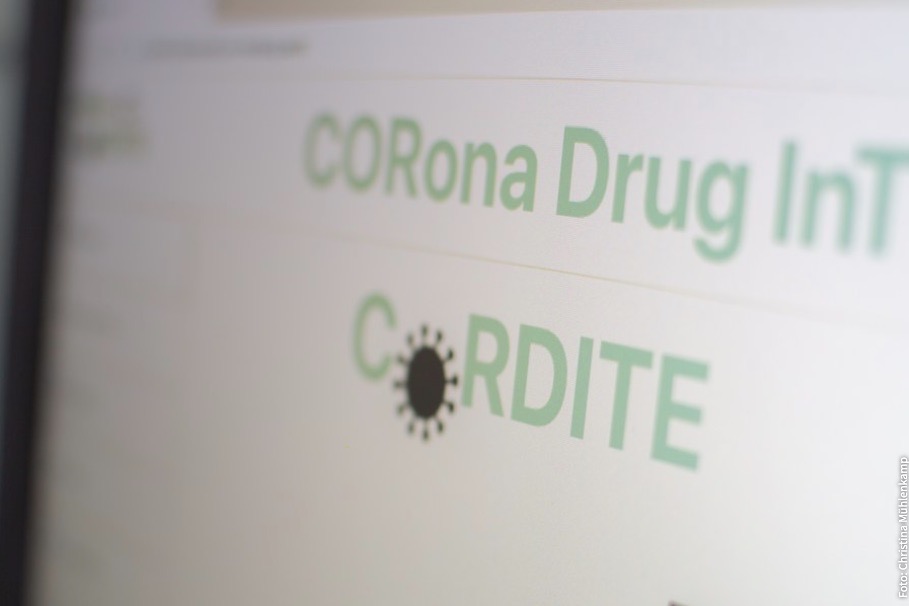
The Data Science working group of Uni Marburg is developing a new biomedical database: CORDITE for future research and drug production.
Artikel lesen
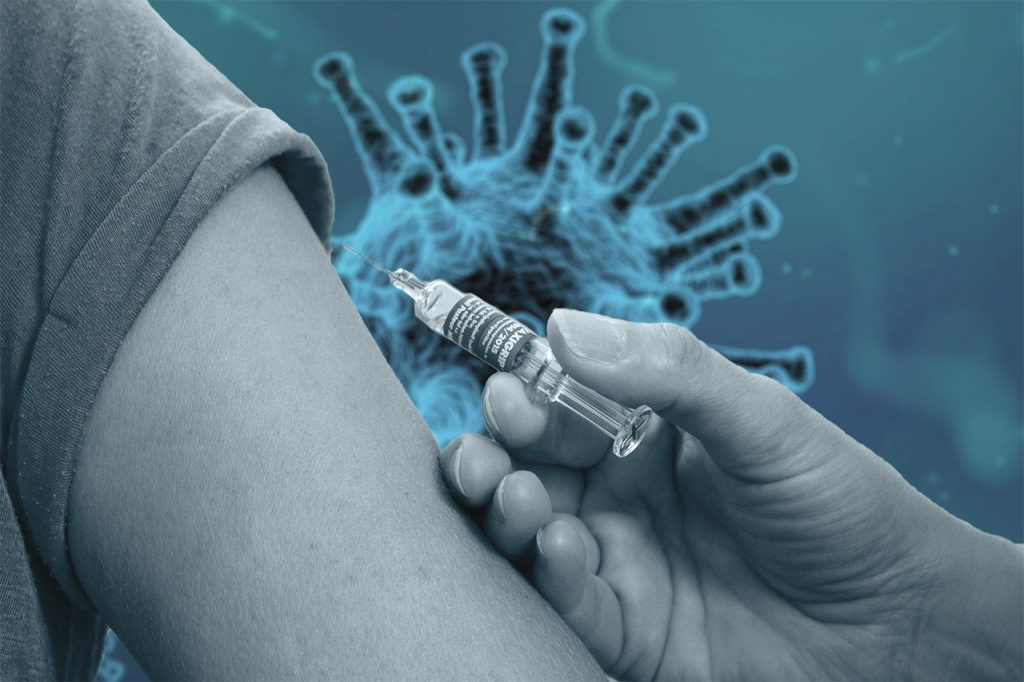
A vaccine against the respiratory disease MERS could provide a breakthrough against SARS-CoV-2: Scientists at the University of Marburg are playing a major role in the development of an effective vaccine against the coronavirus.
Artikel lesen
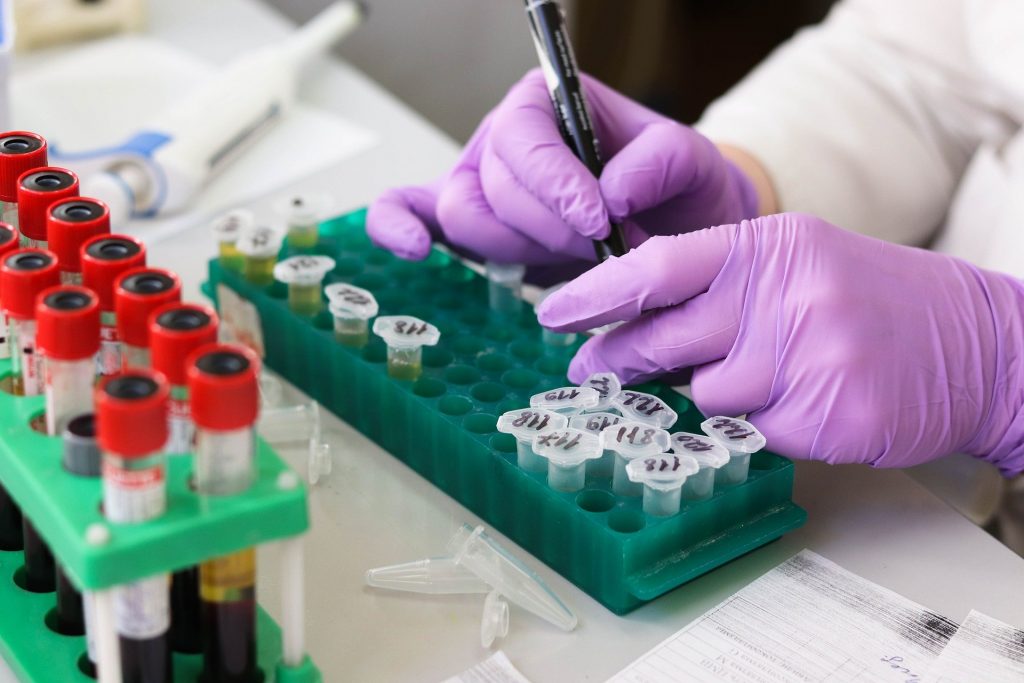
Corona laboratory tests are scarce – but they are urgently needed to further reduce the number of new infections with COVID-19. One test method is a nasal and throat swab, a testing method which can reliably determine carriers of SARS-CoV-2. BAG Diagnostics has developed a new rapid test for this
Artikel lesen
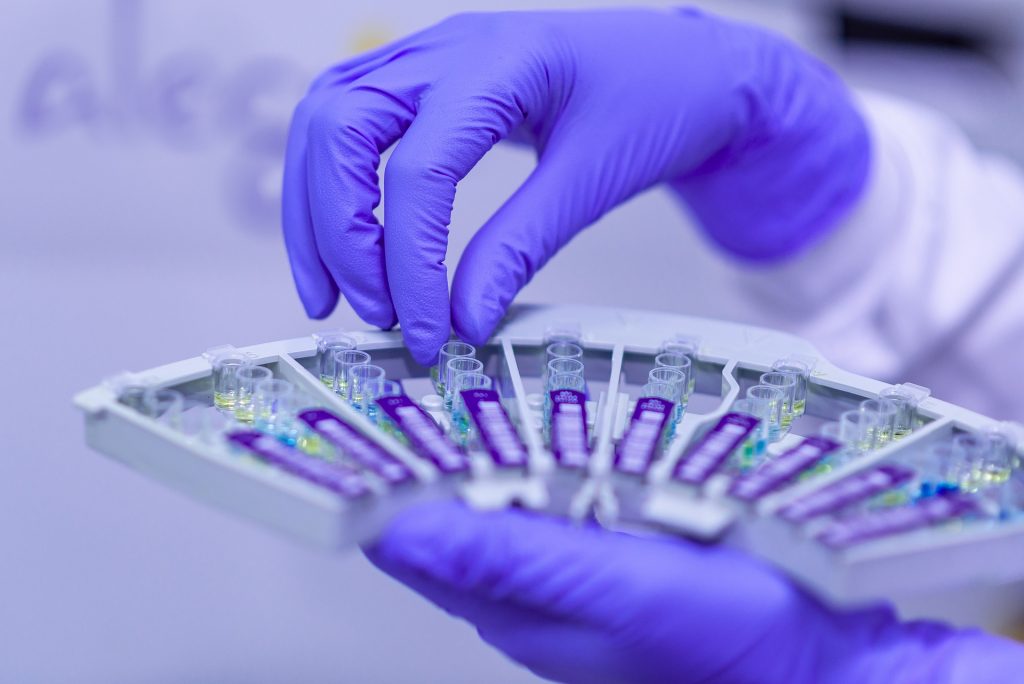
Researchers at the University of Marburg have analyzed the mechanisms of active pharmaceutical ingredients in the form of paper pills. To accomplish their work, they are using innovative terahertz spectroscopy.
Artikel lesen

The new Centre for Rare Diseases in Children (ZSEGi) combines research approaches with specialist knowledge to treat rare diseases in children.
Artikel lesen
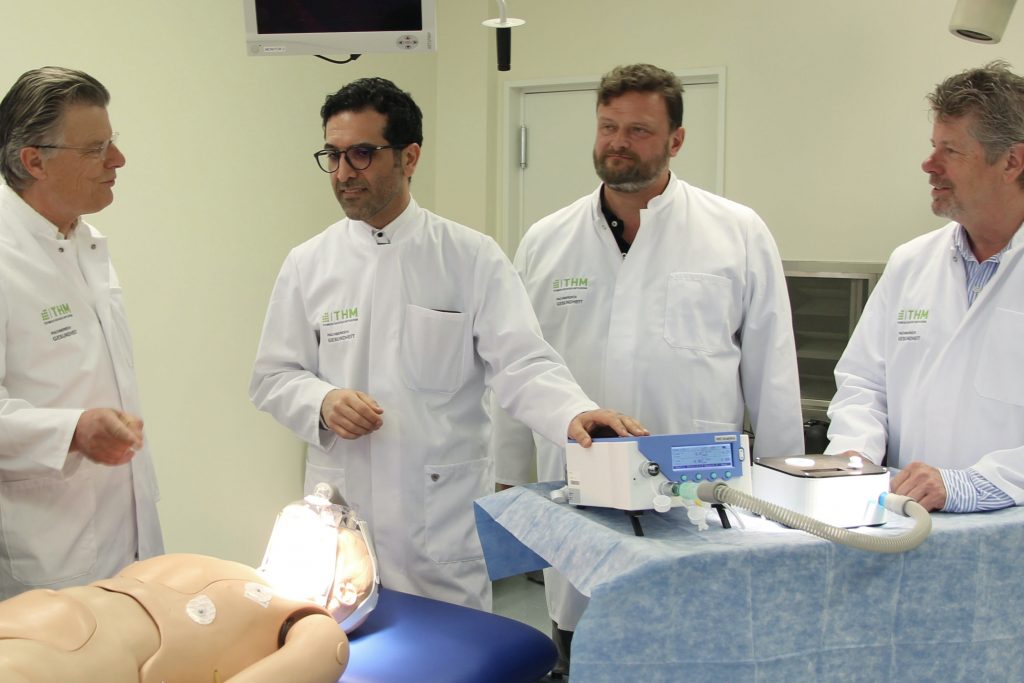
Respirators are now a scarce commodity. Scientists from the Technical University of Central Hesse (THM) and the University Hospital Giessen/Marburg (UKGM) want to change this with a simple and cost-effective solution.
Artikel lesen

EXCITING STORY? INNOVATIVE SERVICE?

We bring your content to the blog.
Please contact us. 

Follow us…

facebook - Healthcare Mittelhessen   LinkedIn - Healthcare Mittelhessen   LinkedIn - Healthcare Mittelhessen

New Marburg corona database supports worldwide research

The Data Science working group of Uni Marburg is developing a new biomedical database: CORDITE. There, research data on SARS-CoV-2 is centrally collected and sorted, paving the way for future research and drug production.

While many global projects are underway to develop effective drugs against Covid-19, it’s extremely difficult to keep track of all of them. For this reason, the biomedical database CORDITE  (CORona Drug InTErations database) is now bundling data from existing studies to ease access to SARS-CoV-2 research. 

CORDITE automatically collects information on computerized, in-vitro or case studies of potential drugs to combat SARS-CoV-2 from various specialized databases. CORDITE also lists registered clinical trials at the U.S. National Institutes for Health (NIH). Through this data collection, scientists can now access data from potential target structures and docking sites on cells, so-called targets, quicker. “CORDITE brings together data from over 230 publications and more than 240 clinical trials worldwide. This is data on almost 600 drug interactions for 20 targets and for more than 450 drugs, making it currently the largest curated database of potential drugs for SARS-CoV-2,” explains Professor and Dr. Dominik Heider, head of the Data Science group at the Philipps University of Marburg. Users can access all relevant data, sort it according to various criteria and download it. “This enables researchers to carry out meta-analyses, design new clinical studies or even conduct a curated literature search,” Heider continues. “Integration into other software or apps is also possible.” Information from the articles and preprints is manually curated by moderators of his research group. The Data Science staff mainly work on computer solutions to solve biomedical problems, such as algorithms for machine learning to predict the drug resistance of pathogens or to model diseases. With CORDITE’s work underway, another Central Hessen research group is supporting the worldwide development of drugs against SAR-CoV-2.

MERS vaccine developed into a candidate against SARS-CoV-2

The search for a vaccine to contain the current coronavirus pandemic is in full swing. A vaccine that was originally developed against the coronavirus MERS, a disease related to SARS-CoV-2, is now the focus of a Marburg research team.

The key to winning the battle against the SARS coronavirus 2 is an effective vaccine. Researchers all over the world are looking for the right active substance, including medical experts in Central Hessen. There, a team of scientists from the Philipps University of Marburg – along with colleagues from the Ludwig Maximilian University of Munich and the University Medical Center Hamburg-Eppendorf (UKE) – have now come close to a possible solution: The use of the experimental MERS agent MVA-MERS-S to help against SARS-CoV-2.

In cooperation with the German Centre for Infection Research (DZIF), this MERS vaccine is currently being tested for tolerance and efficacy against COVID-19 in a clinical study involving 23 volunteers. Professor Stephan Becker, head of the Institute of Virology at the Philipps University of Marburg and coordinator for Emerging Infectious Diseases at DZIF, is investigating the first immune response of the antibodies from his laboratory’s study participants. “These results show that the new vaccine has the potential to be used in possible future MERS outbreaks,” he says. 

SARS and MERS viruses: similar in structure

MERS-CoV viruses are the cause of a serious respiratory disease, Middle East Respiratory Syndrome (MERS). This respiratory disease is fatal in up to 35 percent of cases. To date, more than 2,500 cases of MERS have been confirmed in 27 countries worldwide. Since 2012, sporadic outbreaks have occurred repeatedly in Arab countries. Like SARS-CoV-2, MERS-CoV is a type of coronavirus. Since the surface proteins of the virus’ outer envelope, so-called spike proteins, are similar in structure, they can serve as key proteins for an antiviral agent. 

MVA-MERS-S as the basis for a vaccine

If Becker’s clinical tests are successful, the MVA-MERS-S vaccine may serve as the basis for a SARS-CoV-2 vaccine. “The development of the MERS vaccine forms the basis on which we at DZIF are rapidly developing a vaccine against the new virus,” adds Prof. Marylyn Addo, Head of the Infectiology Section at the UKE in Hamburg. 

The researchers are using a kind of modular principle for this purpose. The vaccine candidate MVA-MERS-S is based on an attenuated virus (Modified Ankara Virus – MVA) that has already been used to eradicate smallpox. Using genetic engineering methods, the MVA virus can theoretically be supplemented with protein components of the SARS-CoV-2 coronavirus. Thus, the vaccination “feigns” an infection with SARS-CoV-2 in the human immune system, which stimulates an immune response. The body should now trigger the formation of specific antibodies and T-cells against the alleged Covid-19 disease and build up a vaccination protection that can also ward off a real infection. 

Only clinical tests guarantee effectiveness

Since it sounds so straightforward to develop this vaccine, the public may wonder if it will actually take until 2021 before this SARS-CoV-2 vaccine is ready. The issue here is clinical vaccination studies in humans: These involve several lengthy phases. It must be guaranteed that the upcoming vaccine is safe and well tolerated. It must also be clarified how often and at what intervals the vaccine should be administered. 

Currently, the World Health Organization (WHO) counts about 70 vaccine projects against Covid-19 (as of April 2020). It would be advantageous if as many vaccines as possible could be approved and produced using many production facilities. In the meanwhile, Professor Stephan Becker and his team from Middle Hessen are contributing to the worldwide fight against coronavirus. 

New corona laboratory test: Fast and safe

Corona laboratory tests are scarce – but they are urgently needed to further reduce the number of new infections with COVID-19. One test method is a nasal and throat swab, a testing method which can reliably determine carriers of SARS-CoV-2. BAG Diagnostics has developed a new rapid test for this method. The Lich-based company is thus making an important contribution to identifying patients with COVID-19 reliably and quickly.

Just ninety minutes from test smear to result: The sooner doctors and patients know results, the sooner they can take action. This is extremely valuable time, especially for diseases such as COVID-19, since infected people are contagious before they develop symptoms themselves. “However, it’s at least as important that with ViroQ Sars-CoV-2 we have developed a test that provides reliable results,” says Dr. Nicolas Sachsenberg, managing director of BAG Diagnostics in Lich, Germany. The company’s new rapid test also checks whether there is generally sufficient cell material in the samples. According to Sachsenberg, very few tests can check for this at present. His test is thus closing a potential safety gap where patients have usually tested as falsely negative if the smear does not contain enough cells.

In addition, the laboratory test can be carried out on all standard equipment in clinics and laboratories, and it can even be shipped at room temperature. This should enable low transport costs and the simplest possible logistics process. “The entire logistics must be affordable for developing countries and aid organisations,” says Sachsenberg. “The testing quality should not suffer from the fact that cold chains, for example, are not continuous.”

Experience from Central Hessen for worldwide tests

BAG Diagnostics has decades of experience in the development and marketing of laboratory tests and has therefore cooperated with a range of laboratories and hospitals for ViroQ Sars-CoV-2. The so-called PCR rapid test – PCR stands for polymerase chain reaction – duplicates sections of the viral genome and labels these gene fragments with a fluorescent dye. The color signals in the test result finally show whether and in what quantity SARS-CoV-2 viruses are contained in the sample. 

According to Sachsenberg, several hundred thousand tests per week will be produced and delivered to customers in the future. BAG Diagnostics is thus making another innovative contribution from Central Hessen by helping to prevent the further spread of the coronavirus. 

Medication put onto paper

Active pharmaceutical ingredients can only help when they reach their destination in the body in an optimal way. To achieve superior medical outcomes, paper medicine tablets are an innovative option. Now, two research groups at the University of Marburg have investigated how this material works, using terahertz spectroscopy as a research tool.

Of course, people who suffer from conditions like headaches, diarrhea or cystitis appreciate when a medicine helps quickly. But it’s not only speed that counts; the medicine must have an accurate bodily focus. “Figuratively speaking, the place of action in the body is like the center of a target. Optimum efficacy can only be achieved if the active ingredient molecules really land there,” explains Professor and Dr. Cornelia Keck, a member of the Department of Pharmacy at the Philipps University of Marburg. Keck has developed medicinal tablets made of paper and found that due to the paper’s pore sizes, which are in the nanometer range, active ingredients bind very well and for long periods. Alongside Professor and Dr. Martin Koch from the Department of Physics, Keck was also able to prove that via paper medicine tablets, there is an increased dissolution speed of active ingredients in the body.

Keck states that it is immensely important to find innovative strategies to bring medicinal molecules optimally and quickly to their targets. “Even the potentially best active ingredient can’t be used for therapy if it doesn’t arrive in the body where it’s needed,” says Keck. This is a problem that affects up to 90 percent of new drug candidates: even highly effective medicines, when formulated via conventional strategies, do not reach their bodily target. To correct this problem, the paper medicinal tablets that Keck and her research group developed have an innovative formulation technology. In fact, this medicinal form has proven to be such a breakthrough that Keck was recently awarded the “Marburger Förderpreis für Bio- und Nanotechnologie” (MarBiNa).

This is what finished paper medicinal pills look like: Optically, they hardly differ from conventional tablets, but they allow the active ingredients to dissolve more quickly in the body. (Credit: Florian Stumpf/Cornelia Keck)

Combined know-how

In order to make this form of therapy ready for human usage, high standards for quality must be maintained in addition to being effective. For paper medicinal tablets, this also meant developing a suitable method for testing drug quality. “Here we benefited from the long-standing expertise of Prof. Dr. Martin Koch and his research group in the field of terahertz spectroscopy,” says Keck. This interdisciplinary cooperation was financially supported by the “UMR 2027” project, which is financed by funds from the Hessen Innovation and Structural Development budget to promote interactive research and teaching at the Philipps University.

Within a year of intensive cooperation between the two research teams, they were able to analyze innovative drug forms in their original state, meaning without prior sample preparation, and the associated changes to the sample as well as measurement artifacts. Terahertz waves are the key to this research. Their spectrum lies between infrared radiation and microwaves; meanwhile, their frequency window ranges from 100 gigahertz and up to 10 terahertz (THz). “This new research method offers precise and spatially resolved measurements of drug distribution and possible drug modifications in the dosage form. This information was not possible using conventional methods,” says Keck. She and her research group have published their initial results in the International Journal of Pharmaceutics. 

Technology of the future

Currently, terahertz waves are also the focus of various areas of application: from medical diagnostics and safety applications to the control of industrial processes. The WLAN of the day after tomorrow will also work with terahertz waves. However, generating them and above all detecting them sensitively still poses a challenge. Koch’s research group is working on the further development of terahertz measurement systems, the industrial application of THz measurement technology and terahertz spectroscopy of organic substances. Therefore, the Marburg scientists will continue to work on further optimizing and validating the method and making it applicable for further systems.

Research Acceleration: Early Detection of Children’s Dementia

The orphans of medicine – rare diseases are still called so. Those affected, especially children, have hardly any chance of recovery, years of odysseys from doctor to doctor and numerous false diagnoses are often their fate. The new Centre for Rare Diseases in Children (ZSEGi) at the University Hospital of Giessen and Marburg (UKGM) combines new research approaches with specialist knowledge to treat rare children’s diseases, such as children’s dementia, in the best possible way.

Alzheimer’s dementia: This is a diagnosis primarily given to older people. But very few people know that dementia can also affect children – and children’s dementia is a rare and fatal disease. In addition to children’s dementia – known as Neuronal Ceroid Lipofuscinosis (NCL) – there are a number of other genetically determined dementias in childhood. And all of these currently known genetic defects lead to a progressive breakdown of nerve cells. The spectrum of these diseases is diverse. But all forms of them bring with them dramatic symptoms: just some of them include blindness, epileptic seizures, dementia and motor skills disorders. The only differences are the order and age at which the symptoms occur and the general progression of the disease. In addition, few of the affected children will live to the age of 30.

The biggest challenge in diagnosing children’s dementia – as with many rare diseases – is that the initial symptoms are usually unspecific: In most cases, neither the pediatrician nor the family doctor has the necessary specialist knowledge about the individual symptoms of any one of these approximately 8,000 rare diseases.

Rare diseases

A disease is considered rare if less than 5 out of 10,000 people are affected. About 8,000 of these rare diseases are known. More than 80% have genetic causes; often the diseases are chronic and life-threatening. An estimated 30 million people in Europe and 300 million worldwide live with such a disease. 75% of rare diseases affect children and around 30% of these children will die before the age of five.

Centre for Rare Diseases in Giessen offers competent support

The specialists at the Centre for Rare Diseases in Children (ZSEGi) University Hospital Giessen and Marburg (UKGM) want to close this knowledge gap: Since 2019, they have been pooling expertise and experience at their centre. “The aim is to bring together patients with these very rare diseases in one region. Then you don’t have to develop new experiences every time you see the next patient. And you can fall back on a team that has already dealt with these diseases and problems that arise,” explains Prof. Bernd Neubauer, pediatric neurologist and head of ZSEGi. Another aspect that should not be underestimated is the psychosocial support that the centre offers in addition to medical care.

Among other things, Neubauer and his team treat around 80 children per year with spinal muscular atrophy (SMA), a rare hereditary disease that leads to the muscles not being able to develop properly. Untreated, most children have a life expectancy of around 18 months. The disease is not yet curable, but there are currently two drugs that can halt the progressive loss of mobility and thus significantly prolong life and improve quality of life.

Specialized centres such as the one in Giessen are not only of immediate importance for the young patients and their families, but also for science. In Germany, alone, there are a total of four million people affected by a rare disease – and the majority of them are children; however, there are only a few people who suffer from each rare disease. Research results on early diagnosis, disease mechanisms and new treatment options have contributed to a significant improvement in the quality of life and life expectancy for these patients.

New therapeutic approach in the fight against child dementia

Since 2018, enzyme replacement therapy has been available for a specific subform – the so-called late-infantile NCL of children’s dementia – which can effectively stem the progression of the disease. Others approaches are in an early phase of clinical testing. For pediatric dementia, as for most other rare diseases, treatment will be most effective if started as early as possible. Ideally, treatment should begin even before the first symptoms appear. This factor underlines the importance of developing and implementing appropriate newborn screening.

Numerous associations and foundations are now active in supporting research into rare diseases and improving care for patients and their families. On the website of ACHSE e.V. (Alliance of Chronic Rare Diseases) as well as the Care-for-Rare Foundation, which was established especially for children with rare diseases, and the Kindness for Kids Foundation, those affected can find a wealth of information and networking opportunities. With its mission “For a future without child dementia,” the NCL-Foundation cares for children.

company profile

Centre for Rare Diseases in Giessen (ZSEGi)

The Centre for Rare Diseases in Giessen (ZSEGi) was inaugurated in August 2019. Their aim is to bring together patients with rare diseases. Their main  focus is the exchange of experience and expertise by a competent team.

Low-cost ventilator

Respirators are now a scarce commodity. Scientists from the Technical University of Central Hesse (THM) and the University Hospital Giessen/Marburg (UKGM) want to change this: They have developed a simple and cost-effective solution for the ventilation of Covid-19 patients: the “Mobile Single Ventilation Device 2020.”

The ventilator developed by Giessen scientists can be used by medical professionals as well as the public. (Photo: TH Mittelhessen/Armin Eikenberg)

If severe pneumonia occurs in Covid-19 patients, pronounced respiratory distress occurs, requiring invasive ventilation. But ventilators are limited. Professors Dr. Volker Gross and Dr. Keywan Sohrabi, from the THM’s Department of Health, and Prof. Dr. Ulrich Koehler, head of the Sleep Medicine Centre at the UKGM, are developing a solution. Their mobile single ventilator 2020 (MEB 2020-1) is based, among other things, on findings from sleep medicine. “The system actively supports patients in breathing,” explains Dr. Koehler. “It thus protects the patient’s body and maintains the vital concentration of oxygen in the blood. Patients receive an increased pressure during inhalation, which is lowered during exhalation. This procedure is known in specialist circles as Biphasic Positive Airway Pressure. The positive pressure during exhalation prevents the collapse of the airways. The device is also used to administer oxygen.”

Ventilator can also be operated by non-experts

The device is technically simple and mobile. “Our system can be used before and after invasive ventilation. The respiratory support is non-invasive,” adds Dr. Sohrabi. “Today, it is performed with expensive multifunctional devices. MEB 2020-1 generates sufficient inspiratory pressure and ensures that the small airways do not collapse during exhalation. During development, we also took care to avoid air contamination. Many current concepts neglect this aspect.” And the MEB 2020-1 should also be usable by non-specialists, for example by the patients themselves, relatives or carers. This ease-of-use will take the burden off highly qualified specialist staff. The device also dispenses with complicated monitoring technology. Nevertheless, it works reliably and in accordance with the applicable medical-grade monitoring standards. Currently, the scientists are testing a prototype; with the support of the Giessen-based medical technology company MHM, the scientists are also preparing for production.