Healthcare Storys
E-health
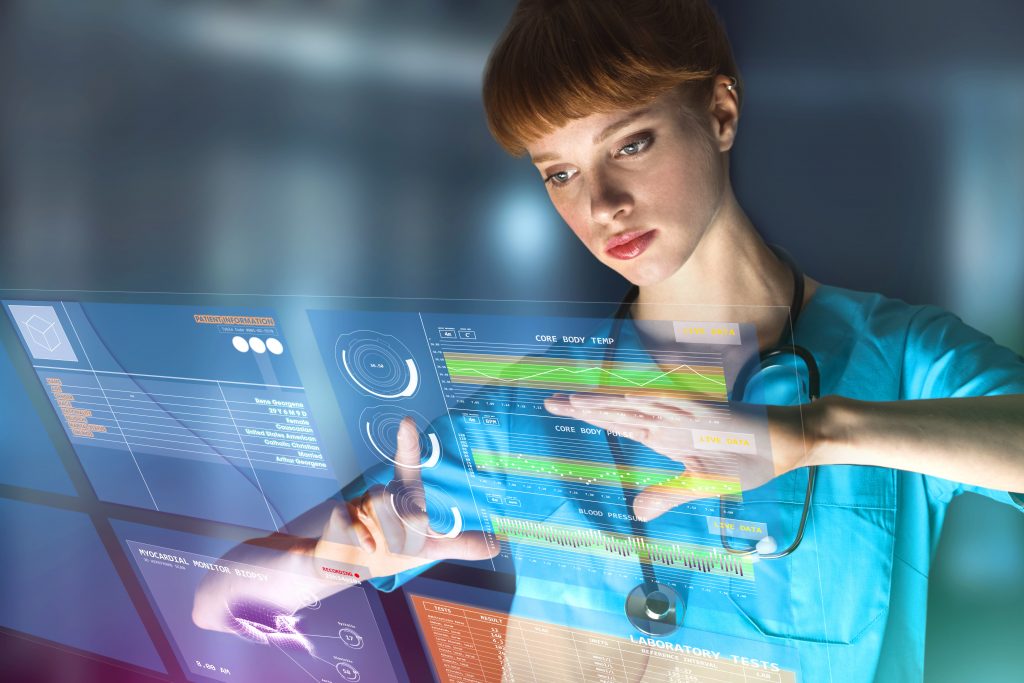
Digitalization is changing the healthcare system: E-Health combines the latest IT technologies with medicine. The aim is to offer modern, patient-friendly care.
Artikel lesen
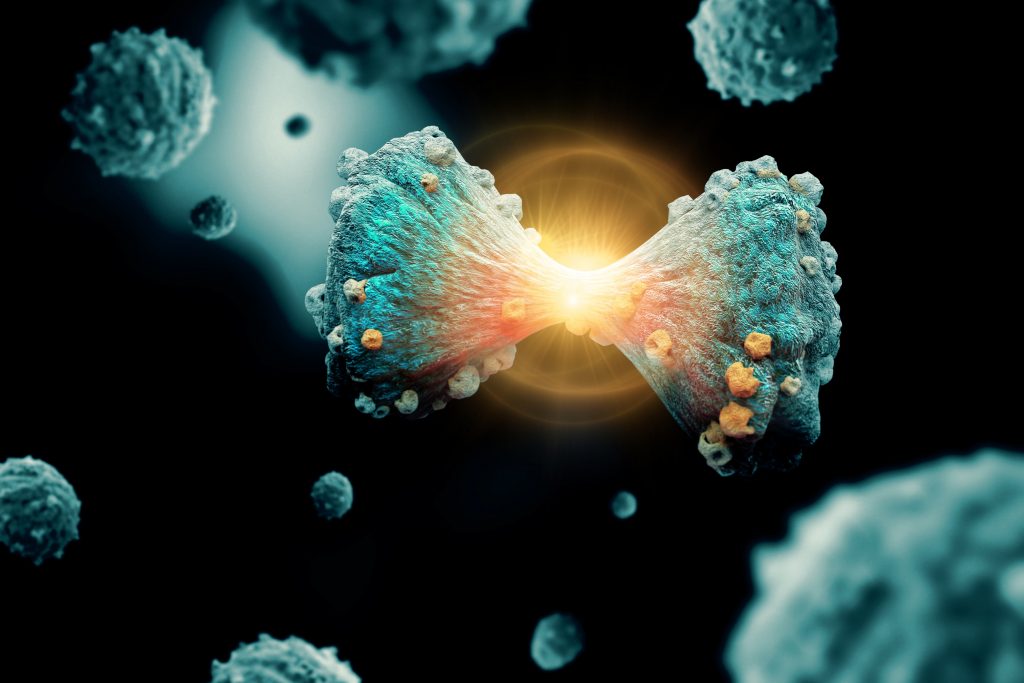
Early detection of cancer can save lives. Laser microdissection enables specific cell examinations and precise cancer research.
Artikel lesen
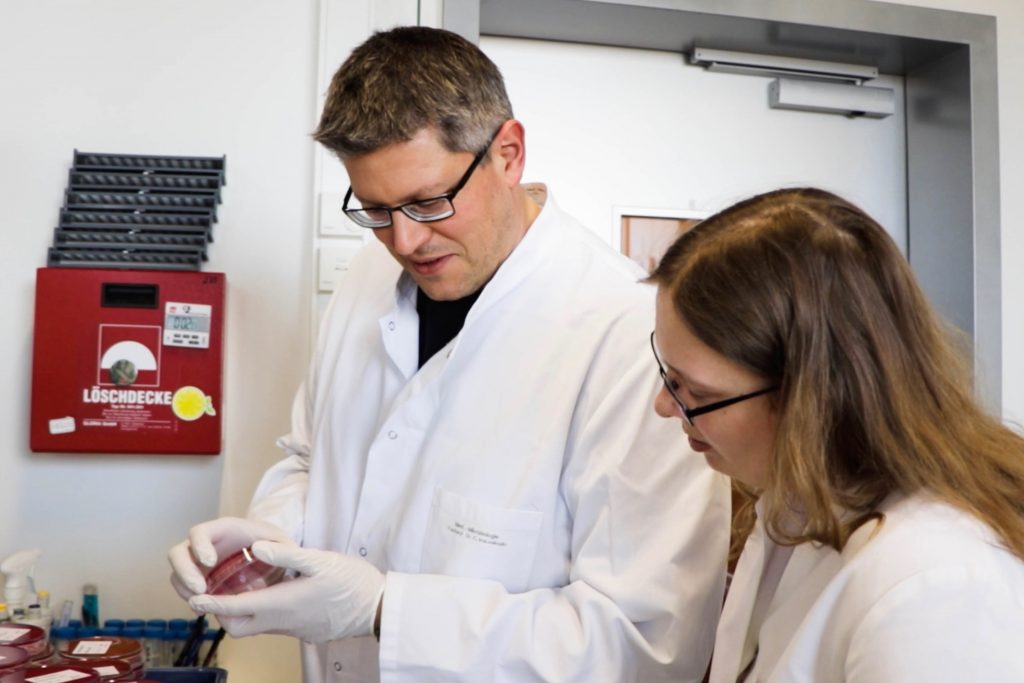
Researchers in Central Hessen, Germany, are taking up the fight against Antibiotic resistance, including a search for new ways to combat infectious diseases.
Artikel lesen
Gefriertrocknung HOF Beitrag
Vaccines, antibiotics, hormones and proteins travel a long way from production to patient. Medicines that are well packaged by freeze drying, retain their full effectiveness.
Artikel lesen
Druid Center Uni Gießen
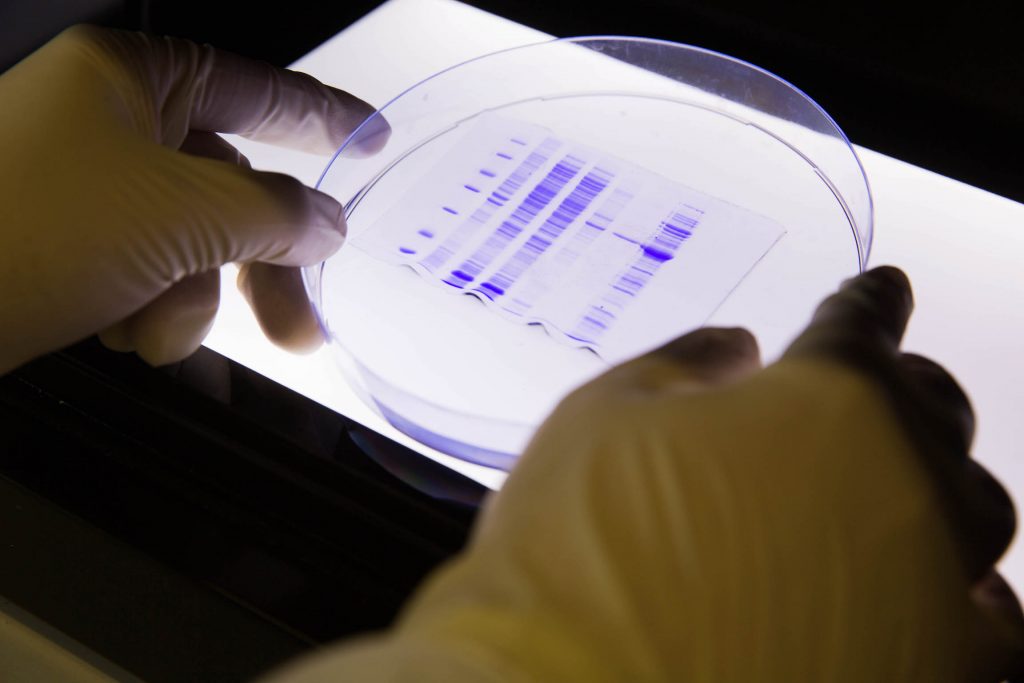
More and more people are affected by neglected tropical diseases (NTDs). As a result, many countries now recognize the importance of fighting NTDs. The German’s federal state Hessen is also making its contribution. Find out how NTDs are fought in the LOEWE Centre DRUID.
Artikel lesen
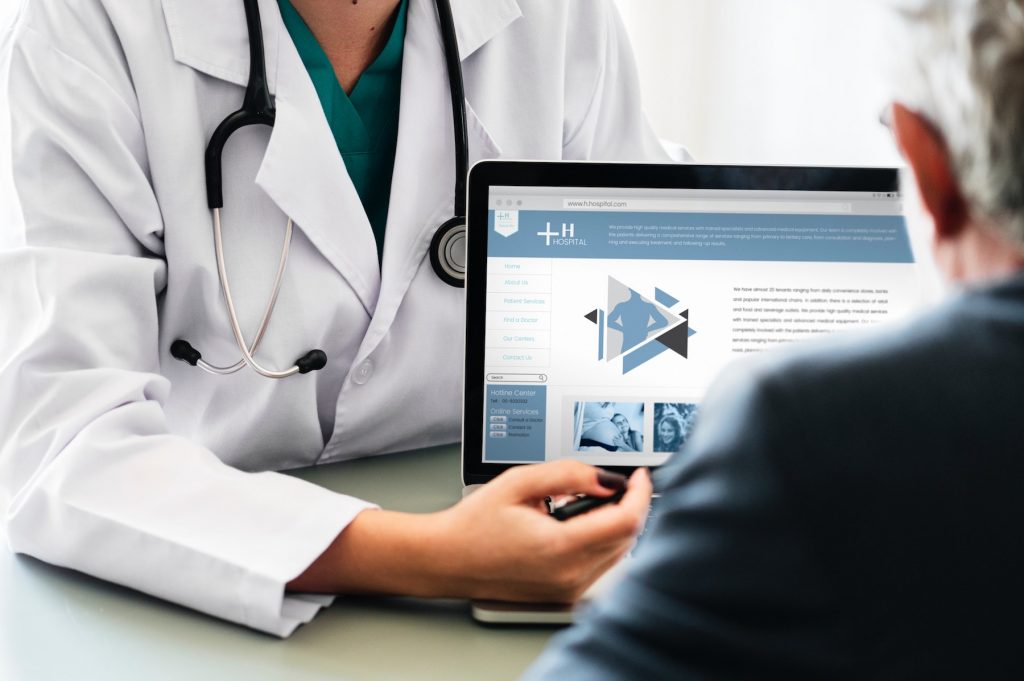
Studium 4.0: Medizinwirtschaft trifft Digitalisierung
Young people are desperately sought after in medicine and nursing: Germany’s Central Hessen region offers promising, future-oriented career opportunities in the healthcare sector. But what role does digitalization play in this?
Artikel lesen
EXCITING STORY? INNOVATIVE SERVICE?

We bring your content to the blog.
Please contact us. 

Follow us…

facebook - Healthcare Mittelhessen   LinkedIn - Healthcare Mittelhessen   LinkedIn - Healthcare Mittelhessen

E-Health: “Treating Patients with High-Quality Medicine in a Contemporary Way”

E-health

Digitalization is changing the healthcare system: E-Health combines the latest IT technologies with medicine. The aim is to offer modern, patient-friendly care. Armin Häuser, Managing Director of the Competence Center for Telemedicine and E-Health, and project collaborator Susanne Tran, explains in this interview why digitalization is becoming increasingly important in patient care and how it can contribute to relieving the burden on medical personnel.

E-health
Digitalization in patient care is on the advance. (Credit: Thomas Andreas / shutterstock.com)

What does digital transformation mean in health, and why is digitalization so important?

Armin Häuser: To me, digital transformation means progress in patient care and relief for medical staff members. In concrete terms, the focus remains on the patient and the quality of treatment. At the same time, the population is becoming older, which pushes the healthcare system to its limits, especially in times of a shortage of skilled workers. Telemedicine and e-health are not the only solutions, but they are good and important approaches.

Armin Häuser, Geschäftsführer des Kompetenzzentrums für Telemedizin und E-Health in Giessen
Armin Häuser
Managing Director of the Competence Center for Telemedicine & E-Health Hessen

The Competence Center for Telemedicine and E-Health is an institution of the state of Hessen and aims to promote the use of digital technologies in health care. What exactly are the goals of the center?

Armin Häuser: The aim of the Competence Center is to advance digitization in the healthcare sector, and in particular to improve cross-sector electronic communication, in order to implement new and tailored forms of care and to establish needs-based supply chains with the help of telemedicine and e-health solutions.

Furthermore, the effectiveness and functionality of information and communication technologies will be promoted and the establishment and expansion of national and international cooperation supported. The development of concepts and guidelines as well as assistance in solving problems will be carried out without advertising for specific software products or the development of one’s own.

The Competence Center for Telemedicine and E-Health of the State of Hessen advises and supports the state government on…

  • the digitalization of the health sector and thus the improvement of cross-sectoral electronic communication in the health sector;
  • the implementation of new, demand-oriented forms of care and the design of demand-oriented supply chains using telemedicine and e-health solutions;
  • questions about the functionality and effectiveness of information and communication technologies;
  • aspects and factors affecting the development, operation, use and integration of digital systems and applications;
  • the establishment and expansion of national and international cooperations;
  • legal and normative requirements for medical products (MPG, FDA); and
  • the evaluation of project proposals and projects (technical analyses, advice, opinion).

Why did you choose Central Hessen as your location?

Susanne Tran: The Central Hessen region is attractive because the Competence Center is a university cooperative. Both universities, the Technical University of Mittelhessen and Justus Liebig University, have their headquarters here and contribute their special abilities. As well, there are especially many representatives from the Central Hessen health services who we have as our target group. We want to be part of local partnerships, in dialogue with regional physicians, medical supply centers and hospitals.

Susanne Tran, M.Sc. Projektmitarbeiterin
Susanne Tran
Project Member, Master of Science

Which partners do you work with?

Susanne Tran: Our target groups are doctors and doctors’ networks, hospitals, health insurance companies, pharmacies and medical supply stores, rehabilitation centers, nursing homes and rescue services. As mentioned above, the Competence Center is an inter-university institution in cooperation with the Technology University of Mittelhessen and Justus Liebig University, which is supported by the Hessian Ministry of Social Affairs and Integration.

How does a partnership come together and how does collaboration work?

Susanne Tran: A consultation at the Competence Center usually begins with contacting us by e-mail or using the enquiry form on our website. However, it’s also possible to contact us personally by telephone or at trade fairs and events. This is followed by personal meetings. We can visit the client, so that practice procedures can be viewed there. The consultation is also possible in our offices in Giessen. During a personal meeting, the focal points of the consultation are explained, and the wishes and goals of the consultation are recorded. On this basis, we develop a consulting concept. After the consultation and assistance has taken place, the objectives of the consultation are reviewed, and the consultation is concluded. After some time, we ask for further advice.

Where do you see the Competence Center in 5 years?

Armin Häuser: Currently, our sponsorship period is limited to the end of 2019. The Competence Center has already established itself very well in its short existence, and it has carried out many consultations and established contacts, so we hope this support will continue and expand. Promising ideas are already available regarding how the Competence Center can continue to be used successfully in the great task of digitalization in the healthcare sector.

Laser microdissection: Better research for cancer

Early detection of cancer can save lives. Laser microdissection enables specific cell examinations and precise cancer research. Experts from MicroDissect GmbH are developing innovative membrane-supported consumables for this purpose – a guarantee for samples with high purity and reliable analysis results, and thus an important basis for molecular biology.

Eine sich teilende Krebszelle
Malignant tumors are called carcinomas. The cancer cells of a carcinoma divide in an uncontrolled manner - which means healthy neighboring tissue can be attacked and destroyed. (Credit: Giovanni Cancemi / shutterstock.com)

The earlier a tumor is detected, the more targeted the treatment can start – which also increases the chances of survival. In order to investigate the causes of cancer, scientists examine the abnormal cells, for example, in a biopsy. The physician takes a tissue sample from the patient and examines it for cell changes, such as those that occur in cancer. The exact classification of the cells then determines the further prognosis. Only a tissue analysis can tell with certainty whether the mutation is benign or malignant.

Tissue samples in precision

Tumors usually consist of a heterogeneous mixture of cells. However, it is often not the size of the tumor that is relevant, but rather, it is the tumor’s aggressiveness. This characteristic can be clarified even more precisely using laser microdissection. The method enables the analysis of individual cells using light microscopy. For this purpose, a wafer-thin tissue section is viewed under the microscope. The laser enables the analysis of subcellular genes, RNA and proteins. “So far, there have been no alternatives. Researchers have tried to carry out the isolation manually,” explains Dr. Dorina Böhm, Managing Director of MicroDissect GmbH, a manufacturer of consumables for membrane-supported microdissection. With the developed laser system, the desired cell segment can be marked on the microscope slide by computer and separated from undesired cell segments without contact. Electronically controlled separation thus offers scientists the opportunity to obtain microscopically small and highly pure samples. “Since the 1990s, laser microdissection has established itself as a standardized method and has been continuously further developed ,” says Böhm.

“A chance for personalized medicine”

Not all cancers are the same. In cases of this disease, classification of the underlying mutation plays an important role. For more than 18 years, laser microdissection (LMD) has helped doctors to find different causes, and thus effective treatment methods, for cancer patients. Dr. Falk Schlaudraff and Dr. Christoph Greb from Leica Microsystems explain why their LMD microscopes contribute to cancer research and even more scientific fields.

Schlaudraff: The classical field of application is usually pathology, especially tumor research. Laser microdissection enables the controlled, precise isolation of diseased cells from a heterogeneous tissue sample in order to obtain a pure dissection for follow-up examinations. This allows more precise conclusions to be drawn: The results of the investigations are not based on a mixture of healthy and diseased cells, but they can be specifically assigned to one or the other population.

Greb: Laser microdissection also plays an important role in the neurosciences and is used to separate certain brain areas down to individual neurons. Forensics is a more exotic field of application. LMD enables the separation of biological material of the perpetrator from that of the victim. The resulting genetic fingerprint then often contributes to the capture and identification of the perpetrator. Biologists use laser-assisted microdissection to examine the annual rings of trees. This allows conclusions to be drawn about how the climate must have been about 1,000 years ago. Polar researchers use the method to isolate bacteria from drilling samples of deep ice layers. The creative and varied use of laser microdissection remains unlimited.

Schlaudraff: Leica Microsystems mainly serves the scientific market. Our customers are primarily active in research. But hospitals also use this method for diagnosis. We are active worldwide and sell our instruments in nearly all markets. We are constantly developing these further.

Greb: By the way – in addition to cutting out “dead” areas from tissue sections, scientists can also use our LMD to separate living cells from cell cultures. This application is becoming increasingly popular.

Schlaudraff: In my opinion, the medicine of the future is personalized medicine. The recognition and knowledge of the different types of cancer have strongly influenced treatment methods. LMD offers the opportunity to identify causes and develop coordinated forms of therapy for the patient.

Greb: At the same time, the analysis techniques based on the results of laser microdissection have also become increasingly precise. Previously, it was necessary to concentrate on an entire tissue sample; with the aid of LMD, individual cells can now be separated if required. This enables users to exploit the full potential of molecular biological analysis methods. I therefore greatly appreciate the uniqueness of our upright laser microdissection systems. The use of gravity in our LMD method offers many advantages for the pure and contactless isolation of numerous dissections.

Optimizing qualitative standards

But success does not come without challenges: Conventional microscope slides are unsuitable for the further examination of tissue. A single cell can hardly be isolated from a glass slide without being damaged. And any manual intervention with medical cutlery endangers the goal of high-purity sample collection. “Only absolutely pure cell samples allow conclusions to be drawn about the molecular genetic causes of a malfunction and the development of a tumor,” Böhm explains. Thus, the inert membrane from MicroDissect offers a simple and efficient solution for further sample analyses. The membrane-supported laser microdissection is based on the inert nature of the carrier membrane.

In addition to a modern laser system, optimally adapted medical accessories are a prerequisite for the high purity of tissue samples. The consumables needed for this purpose are produced by MicroDissect GmbH, based in Herborn, Central Hessen. The company produces them under sterile room conditions of the highest quality. “When the dissectate has been isolated by the laser beam, it falls into the lid of a so-called cap. The optical element contained in the cap makes the cell sample visible under the microscope,” says Böhm. The highly pure membrane, which is free of grease and adhesives, acts like a tablet, but does not interfere with further examination.

"Since the 1990s, laser microdissection has established itself as a standardized method and has been continuously further developed."
Dr. Dorina Böhm
Dr. Dorina Böhm
Geschäftsführerin der MicroDissect GmbH

An invention in science

Still, it is hard to imagine cancer research without membrane-supported laser microdissection. Stem cell researchers are also currently using the laser system to expand their dissection possibilities. They expect progress in regenerative medicine and stem cell therapy. And even plant researchers and botanists are hoping that modern isolation technology will lead to new insights into parasites and pathogens, the results of which could be decisive for the agriculture of the future. For these research possibilities, the experts at MicroDissect respond flexibly to customer requirements. This includes the production of development samples as well as customer-specific small series and OEM products. But membrane-supported laser microdissection is already contributing to the precise research of tumor cells – and helping to improve the lives of cancer patients.

company profile

MicroDissect GmbH

MicroDissect GmbH, located in the Lahn-Dill region since 2001, manufactures and supplies consumables for membrane-supported microdissection. Its customers include well-known suppliers of systems for laser microdissection and well-known universities, institutes and laboratories.

Research Alliance: In the fight against antibiotic resistance

Although powerful drugs exist against infectious diseases, a new danger has developed: Particularly in industrialized countries, resistance to antibiotics and newly emerging pathogens threatens an increasing number of lives. Research scenarios suggest around ten million people are expected to die annually around the world by 2050 as a result of antibiotic-resistant bacteria. For this reason, researchers in Central Hessen, Germany, are also taking up the fight against resistance, including a search for new ways to combat infectious diseases.

Dr. Imirzalioglu und Dr. Linda Falgenhauer
Dr. med. Imirzalioglu and Dr. Falgenhauer investigate the resistance mechanisms of selected bacteria.

If a global health worker has a bacterial infection, he or she should not have to worry: After all, antibiotics have saved millions of lives for decades. Thus, these infections should no longer pose a deadly threat in large parts of the world. But what Alexander Fleming, the scientist who discovered penicillin, and other fellow scientists did not suspect at the time were the effect of bacterial mutations: Bacteria have clever strategies to make antibiotics ineffective. Such resistance mechanisms have increasingly caused problems for patients – and now they are increasingly causing fatalities. For this reason, scientists are looking for new antibiotics with different modes of action, but so far they have experienced only moderate success: Meanwhile, the number of cases of resistance continues to rise. Today, antibiotic resistance is a worldwide problem. Bacterial infections again threaten lives, endangering food security and thus even human development. According to the European Centre for Disease Prevention and Control (ECDC), around 33,000 people die every year in Europe alone as a direct result of infections from antibiotic-resistant bacteria.

people die annually in Europe, according to the European Centre for Disease Control, as a direct result of infection by antibiotic-resistant bacteria.
1

Global cooperation required

In order to combat this global threat, new antimicrobial drugs must be developed. Health experts and governments in many countries consider the growing resistance situation of bacteria to be dangerous. Consequently, global cooperation and coordinated action between different interest groups of institutions, universities and industry is indispensable. One example of successful cooperation is the German Center for Infection Research (DZIF), an association of more than 500 scientists at 35 institutes and seven locations who are jointly developing new approaches for the prevention, diagnosis and treatment of infectious diseases. The DZIF was founded in 2012 on the initiative of the German Federal Ministry of Education and Research (BMBF) and is a leader in the fight against the most common infectious diseases. The cooperation of the various research teams is intended to ensure the rapid and effective transfer of research results from the laboratories into clinical practice.

"We want to gain a better insight into the genome of these pathogens and understand how and why they spread and why resistance develops.”
PD Dr. med. Can Imirzalioglu
Dr. med. Can Imirzalioglu
Chief Doctor of Microbiology, Virology and Infection Epidemiology

In the DZIF’s Central Hessen locations, researchers are concentrating on the development of new strategies to combat frequently occurring infectious diseases. The participating institutions make various resources available for DZIF projects, such as the high-security laboratory in Marburg, Germany, and a laboratory at the Paul Ehrlich Institute (PEI) in Langen, Germany. The PEI in Langen also contributes its expertise in drug approval and development to ensure the rapid transfer of new findings into practice. “The prevention and control of antibiotic resistance has high priority,” says Dr. Can Imirzalioglu, Medical Director at the Institute for Medical Microbiology at Justus Liebig University in Giessen, Germany, one of the DZIF partners. “There are several international initiatives aiming to raise awareness and strengthen research into infectious diseases,” he continues. However, it is always important that all initiatives are coordinated, Imirzalioglu says. “If researchers only work for themselves in a single area, no significant progress can be achieved.”

Fighting infectious diseases with genome analysis

Dr. Imirzalioglu’s team is working with local, national and international institutions to investigate antimicrobial resistance mechanisms. “Within the DZIF, we are focusing our research on multi-resistant Gram-negative pathogens that play a key role in antibiotic resistance both inside and outside the hospital,” he explains. The researchers have set a fundamental goal. “We want to gain a better insight into the genome of these pathogens and understand how and why they spread and why resistance develops.”

Scientists at the Giessen University Hospital are investigating bacteria such as Escherichia coli in order to have a better understanding of their resistance mechanisms.

The scientists are investigating bacteria such as Escherichia coli and Klebsiella pneumoniae, which are multi-resistant pathogens found in the gastrointestinal tract in up to ten percent of the global population. These microorganisms generally do not disturb the intestinal flora in affected individuals, but they often go unnoticed and are resistant to antibiotics. After surgery or during a hospital stay, these bacteria can cause infections or even spread to other patients. Thus researchers want to be able to recognize these pathogens and understand why they can spread faster than other bacteria – and how they transfer their resistance mechanisms to other microorganisms. “In the human intestine, a resistant Escherichia coli can sit next to a non-resistant Klebsiella and pass on the resistance mechanisms,” explains Imirzalioglu. Using genome analysis, he and his colleagues are able to better understand this process and find new approaches for the prevention and treatment of antibiotic resistance. The investigation of such highly detailed genomic data requires close cooperation with bioinformaticians. In the future, the scientists also want to consider artificial intelligence approaches in order to facilitate complex analyses. Adds Imirzalioglu, “With artificial intelligence, we could introduce genome sequencing into clinical routine.” Collaborative approaches and new technologies may support these Central Hessen-based researchers in turning the tide against antibiotic resistance – a possibility that will allow antibiotics to continue saving lives.

Freeze drying: technology with guaranteed durability

Gefriertrocknung HOF Beitrag

Vaccines, antibiotics, hormones and proteins travel a long way from production to patient. But medicines that are well packaged by freeze drying, for example, can retain their full effectiveness. HOF Sonderanlagenbau GmbH develops and installs freeze drying systems all over the world – and offers the right solution for every new development in the pharmaceutical industry.

Gefriertrocknung HOF Beitrag
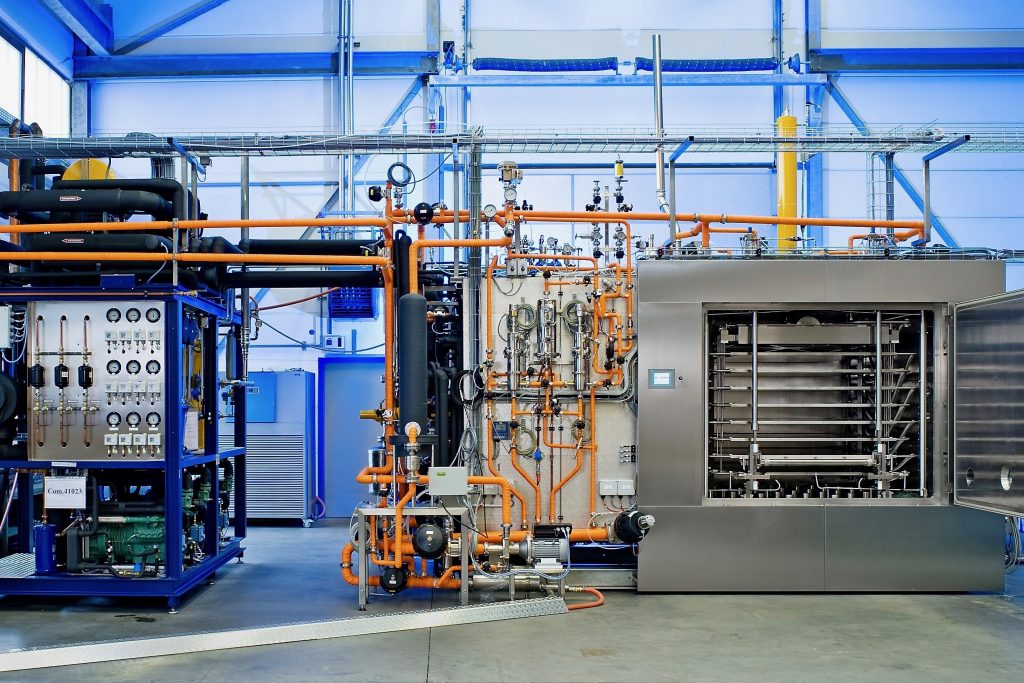
Freeze drying plant in horizontal design for the production of pharmaceuticals (Photo: HOF Sonderanlagenbau GmbH).

Even the Incas used freeze-drying: At low air pressure and rising temperatures, they transformed ice directly into water vapor at the heights of the Andes. What took place naturally at their time is now produced by engineers in modern freeze-drying plants. This enables engineers to preserve sensitive products such as vaccines or medicines. Nitrogen or refrigeration technology is used to freeze the respective substance. Water is then extracted from the substance in a vacuum. Thus, vaccines, antibiotics and hormones can be kept for years and are available on demand.

Preserving medicines - treating patients worldwide

Freeze drying is indispensable for the pharmaceutical industry: About 45 percent of all pharmaceutical products are preserved in this way. “Freeze drying enables sensitive pharmaceutical products to be distributed over a longer logistics chain and pharmacy networks and to be used in clinics,” explains Dr. Alexander Hof, Member of the Management Board of HOF Sonderanlagenbau GmbH (English: HOF Special Plant Construction) – one of the leading suppliers of freeze-drying systems for the pharmaceutical industry. Every step of the freeze-drying process is electronically recorded to ensure long shelf life and effectiveness. “The temperature sensors and automation concepts of our plants enable high traceability and collectable information such as process reports and temperature curves,” says Hof. The collected data is transferred to a higher-level system. 

HOF’s specially developed software makes the process control of the plants particularly user-friendly. Plant operators thus have an overview of all functions and parameters at any time and can immediately identify irregularities. The HOF plants also include a visualization system for creating product-specific temperature profiles, plant visualizations and batch-oriented documentation of process sequences.

Alexander Hof, Mitglied der Geschäftsführung der HOF Sonderanlagenbau GmbH
Alexander Hof
Member of the Management Committee of HOF Sonderanlagenbau GmbH

Safely packaged blood on demand

The company also develops systems for freezing blood and plasma preserves. Traceability is also indispensable here – and the production conditions are precisely specified: For example, the core temperature of a bag must be -30°C after 45 minutes of cooling time. “In Germany, almost 100 percent of all blood donations to the German Red Cross are preserved with freezers from HOF Sonderanlagenbau,” says Alexander Hof. Each product bag has the same freezing conditions at any time and the same form at the end. For example, a barcode can be machine-read on the flat surface of the plasma bag. As well “the reliable documentation of temperature and time is a matter of course for us,” Hof continues. He also has an eye on the energy efficiency of his systems. “Our freezers work in an energy-saving manner with indirect cooling and do not consume energy, for example, during standstill.”

The pioneers of freeze drying

Otto van Guericke’s 1649 invention of the mechanical vacuum pump is regarded as the basis of today’s freeze-drying technology. In 1890, more than 200 years later, Richard Altmann used it for the first time at the University of Leipzig for drying and preserving histological preparations. It was in 1909 that L. F. Shackell described the vacuum freeze drying of blood products for the first time.

Quality and service around the globe

But every new development in the pharmaceutical industry is also a challenge for engineers. Active ingredients are usually expensive to manufacture and often highly active. The correct handling, therefore, requires comprehensive know-how. “Faulty containers or plant malfunctions can lead to production downtimes and thus cause high costs and even health risks,” explains Hof. But he and his Central Hessen team always find the solution. “The trend is currently towards smaller plants. The reduced footprint, for example, minimizes damage in case of production stoppages.” In addition, smaller batches of medicines can also be produced very cost-efficiently so that medicines can be optimally adapted to individual target groups. A flexible service team, which supports HOF systems and their users, maintains contact with national and international customers. “We design the systems, transport them, assemble them and commission them,” explains Hof. Its employees can be reached 24-hours-a-day and are on-call in any emergency worldwide for the company’s “Made in Central Hessen” freeze-drying technology.

company profile

HOF Sonderanlagenbau GmbH

HOF Sonderanlagenbau GmbH, with more than 30 years of experience, is the leading specialist in the manufacture of individual freeze-drying systems, loading and unloading systems as well as freezing and thawing equipment for the pharmaceutical and biotechnology industries. At the company’s location in Lohra, near Marburg, around 270 employees work on the company’s own production site of around 13,500 square meters.

The LOEWE Center DRUID: a project to tackle neglected tropical diseases

Druid Center Uni Gießen

The fight against neglected tropical diseases (NTDs) is gaining further relevance as the number of affected populations grows, and industrialized nations increasingly recognize the significance of these diseases. The LOEWE Center DRUID provides a strong example of cooperation among Hessen institutions to advance the fight against these diseases.

Druid Center Uni Gießen
Credit: Rolf Wegst

“More than one billion people in 150 countries all over the world suffer from poverty-associated and neglected tropical diseases (NTDs),” explains Prof. Dr. Katja Becker, professor for Biochemistry and Molecular Biology at the Justus Liebig University in Giessen and spokesperson of the LOEWE Center DRUID. “NTDs affect poor and marginalized populations mostly in developing countries and have received in the last decades very little attention in terms of research, drug and vaccine development, diagnostics and funding.”

Caused by a variety of microorganisms as viruses, bacteria, parasites or fungi, NTDs prevail in tropical and subtropical conditions. The diseases are further aided by poor sanitary conditions, limited access to clean water and the absence of vector protection against the spread of the diseases; at the same time, affected populations are often hindered in accessing preventive measures and therapies.

Tropical Diseases are a serious problem

As a result, most affected people are poorly cared for. As if this were not already devastating, a NTD infection may lead to severe chronic complications and disabilities that reduce the ability to work and to secure a family’s income. Children affected by NTDs or with affected family members may not attend school regularly, leading to impaired intellectual development. Finally, NTDs lead to massive social and economic losses, costing developing economies billions of dollars every year. “The fight against these infectious diseases is not only very important from a medical and humanitarian point of view,” remarks Becker. “It also helps break the cycle of poverty and avoid social injustice, violence or even migration flows.” For many NTDs, there are either not enough effective drugs, or the existing ones have major side effects. Another problem is that drug resistance threatens the efficacy of existing medications.

"The fight against these infectious diseases also helps to break the cycle of poverty and to avoid social injustice, violence and even migratory flows.”
Prof. Dr. Katja Becker
Professor for Biochemistry and Molecular Biology

Interdisciplinary research

To begin to address these issues, one approach is to identify essential new drugs, vaccines and diagnostics. This is the focus of more than 30 researchers at the LOEWE Center DRUID (Novel Drug Targets against Poverty-Related and Neglected Tropical Infectious Diseases). The project joins together medical universities in Hessen as well as the Paul Ehrlich Institute and the University of Applied Science in Central Hessen. “Cooperation is essential to move forward and develop new drugs,” explains Becker. “In the LOEWE Center, we have an intense exchange of expertise among scientists involved in more than 20 interdisciplinary research projects. To develop new drugs, we need many different techniques from infection models to protein analysis, to structural biology, to drug synthesis and optimization. Our methods platform allows every researcher to see which group has a specific know-how and can share it. Through cooperation we create synergies, develop new ideas and also increase the visibility of our projects.” Becker’s group, for example, is focusing on the cellular redox metabolism to identify potential targets for drug development. While oxidative stress and oxygen radicals can damage the delicate cellular balance, all cells — as well as pathogen cells — have defense mechanism to avoid this. Therefore, developing new inhibitors which can specifically impair those defense mechanisms in pathogen cells can pave the way for new therapeutic approaches.

people worldwide suffer from NTDs, and several million die every year from the consequences.
0

“The Asian tiger mosquito brings tropical diseases”

Malaria was considered defeated in many parts of Europe. But tourism and climate change have led to the migration of foreign mosquito species, and these invasive species can introduce completely different tropical pathogens. Dr. Helge Kampen, head of the laboratory at the Institute for Infectious Medicine (IMED) at the Friedrich-Löffler Institute in Greifswald, explains the situation and why global warming is also leading to native mosquitoes posing a growing threat.

This is due to globalization and global warming: Globalization favors the spread of mosquitoes. Global warming, in turn, helps warmth-loving mosquito species to settle and spread in Germany, for example. The Asian tiger mosquito is an example of this. It is still very locally limited in Germany. The mosquito does not fly far and therefore does not spread rapidly. The climate is not ideal and does not promote its spread. However, the mosquito species is adapting slowly. Italy has shown how fast a mosquito can spread. There, the Asian tiger mosquito can be found almost everywhere and in relatively high population densities.

Invasive mosquitoes do not always carry viruses or pathogens. However, when they suck blood, they can become infected and spread pathogens. The probability of local transmission, therefore, increases with the population density of mosquitoes and the infections that occur in humans. Often, infected persons do not know directly if they have been infected with dengue, chikungunya or Zika virus while travelling. If foreign mosquito species and tropical diseases are introduced in parallel, tropical diseases can spread further in northern hemisphere countries.

An infection happens particularly well when it is warm: Mosquitoes develop rapidly, blood digestion accelerates, and generation time decreases. Viruses and other pathogens develop more rapidly, and the mosquito is infectious much faster. When a mosquito becomes infected, the virus enters the intestine for the first time. From there, it has to migrate through the mosquito’s body into the salivary gland. Viruses are always transmitted via the mosquito’s saliva during the bite. The virus’ migration from the intestine to the salivary gland takes a while because the virus slowly multiplies from cell to cell. The warmer it is, the faster it goes. If the climate in Central Europe becomes even warmer, then it is highly probable that native mosquito species will also become carriers if they encounter the right virus or pathogen.

Ending NTD by 2030

The center’s attention to NTDs could not be more important NTDs have been recognized as a target for global action towards the “Sustainable Development Goals” of the United Nations. 

“In order to achieve the goal of ending NTD by 2030, we need good networking,” remarks Becker. “We need cooperation among scientists in Germany, Europe and in the whole world. We need cooperation between academia and private sector, and we need cooperation with people and scientists in the affected countries in order to be able to conduct research on-site.” Providing incentives for the pharmaceutical industries in order to translate scientific discoveries into industrial applications will be also crucial to develop and bring new drugs on the market and significantly contain NTDs.

What else can be achieved by combating NTDs?

Education 4.0: Medical technology meets digitization

Studium 4.0: Medizinwirtschaft trifft Digitalisierung

New recruits in medicine and nursing care are more in demand than ever before. Central Hessen offers promising career opportunities in the field of health management with future-oriented training and study programs. In this interview Prof. Dr. Harald Renz, medical managing director of the University Hospital Marburg and Prof. Dr. med. Holger Thiemann, course of studies leader in Medical Management at the Technical University of Central Hessen (THM) explain why, as a result, digitalization is so important.

Studium 4.0: Medizinwirtschaft trifft Digitalisierung
(Credits: rawpixel / unsplash)

Fewer and fewer graduates are choosing an occupation within the medical field. What are the reasons for this?

Renz: Most medical professions are not family-friendly. Therefore, we should develop new study concepts – for example, young women should also have the opportunity to reconcile career and family. Part-time study programs are one possibility. The problem is that the training then lasts up to ten years. The standard five-year period of study for a medical specialty becomes twice as long. For the senior physician, even more years of study are added. In order to counteract the shortage of specialists, new family-friendly working models are urgently needed.

Prof. Dr. Harald Renz
medical managing director of the University Hospital Marburg
Prof. Dr. Holger Thiemann
Prof. Dr. med. Holger Thiemann
Course of studies leader in Medical Management at the Technical University of Central Hessen (THM)

Thiemann: In the past, doctors accepted a working week of up to 80 hours as a heroic achievement. Today, the focus is on a work-life balance, which can often only be guaranteed to a limited extent in the medical field. This makes these professions increasingly unattractive. Many doctors don’t want to go into private practice, e.g. they stay in research, go into the pharmaceutical industry, consulting, etc. However, we cannot compensate for the lack of practicing physicians. 

The courses of study in the Health Department of the THM focus on relieving these deficits in the medical profession. In the Medical Management degree program, we not only teach administrative activities, but also provide broad clinical knowledge. This ranges from economics, sociology and law to medical business administration, and anatomy and physiology.

Why does Central Hessen in particular offer good career prospects in the medical field?

Renz: This region is optimally connected with the University Clinic of Giessen and Marburg, two universities and the Technical University Mittelhessen (THM). We are a very research-strong region, closely interwoven with the medical industry. There are many Hessen companies that work hand in hand with researchers and universities. In collaboration with doctors, many medical devices are developed here.

Profile: Medical Management

  • practical course of studies: imparting theoretical knowledge and practice
  • core competencies: management, project management, business administration, medical basics
  • organizational tasks for health and nursing management
  • the course is ideal for people who have a university entrance qualification or “Abitur” (a high school diploma)
  • innovative course of studies with good professional opportunities

What fascinates you about your department?

Renz: In laboratory medicine, we are interested in understanding diseases. We want to know what are the dysregulations in the body that lead people to develop chronic inflammatory diseases. It’s exciting to investigate the causes of these diseases. What is special for me is witnessing the entire research cycle: from understanding the disease to developing diagnostics and therapy concepts.

Thiemann: I’m always fascinated by the connection between theory while teaching in the medical management field and practice. Our study program differs from previous, mostly very theoretical courses, with little practical relevance. Our program graduates give us positive feedback. There are three to four job offers wait for each graduate in the Medical Informatics study program. Many companies in the region also offer topics for bachelor theses. This creates added value for the company, the practical relevance of the thesis work increases, and the students have a good chance of being taken on as permanent employees.

Studium 4.0: Medizinwirtschaft trifft Digitalisierung

Profile: Medical Informatics

  • focus on digitization
  • knowledge of general computer science; medical basics of anatomy, physiology, diagnosis and therapy methods will be imparted
  • adaptation of medical processes with IT tools
  • career opportunities: hospitals, doctors in private practice, software and hardware manufacturers
  • innovative study program with good professional opportunities

What do you advise people to do who are undecided when choosing a career?

Renz: You should try out internships in order to gain an insight into everyday working life. Laboratory medicine, for example, offers a number of advantages: an extremely family-friendly environment, independent organization in the laboratory and in medicine, and no high burden from on-call and weekend services. Once you have completed your specialist training, nothing stands in the way of excellent career prospects.

Thiemann: The profession should be fun – you shouldn’t look first for earning opportunities. Student counselling can help you to visualize what you like and what skills you have. We aim to teach in an application-oriented way – then you will quickly realize whether this study program is the right one for you.

Prof Thiemann THM

What is the significance of digitization for the medical sector?

Renz: Digitization has become indispensable in medicine today. The demand is huge. At our institute, we have over 200 interfaces with our laboratory information system, the various analysis platforms and devices to all our senders such as outpatient departments and wards. With the electronic health record, we can assess the patient’s medical situation much better and recognize their health history. With just one click, we can see who are receiving treatment, what medications they are taking and whether there are any potential interactions with other medications. And artificial intelligence is already making our daily medical lives easier. However, we still face major challenges in this area. But I am convinced that AI will take on much larger tasks in the future.

Thiemann: Digitization is also progressing rapidly in hospitals – there are enormous transformational processes ahead. We want to implement what is already commonplace in other industries into the medical industry. For example, in an emergency, a tablet’s software transfers all patient data from an ambulance directly to the hospital. Thus, the doctors are optimally prepared when the patient arrives. These are the digital projects we want to support. Their implementation requires highly qualified professionals. Our courses prepare the students for this digital transformation and train them optimally for it.